Usuba
Usuba
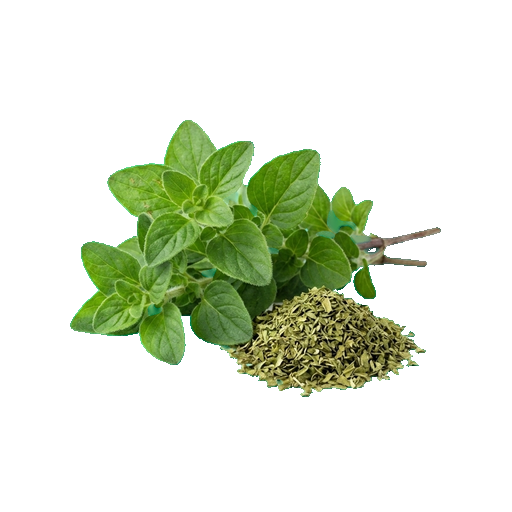
Oregano
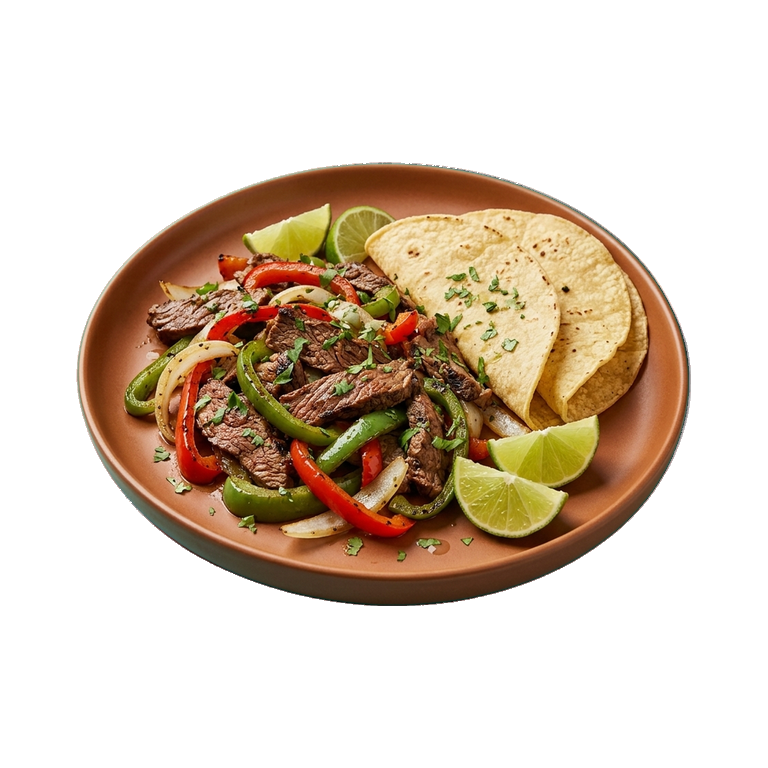
Oregano is dried leaves of a Mediterranean plant with a spicy, slightly bitter flavor and rich aroma. This spice withstands heat well and is commonly used in Italian, Greek, and Mexican cuisine to season pizza, pasta, sauces, marinades, and meat dishes. When selecting oregano, pay attention to the intensity of the leaf color — darker oregano typically has a more pronounced flavor, and fresh or dried varieties can be used interchangeably, though the dried version requires less volume.
Micronutrients
per 100 g
Minerals
Vitamins
- AVitamin A (RAE)85mcg10% DV
- EVitamin E18.26mg122% DV
- KVitamin K621.7mcg518% DV
- CVitamin C2.3mg2% DV
- B1Vitamin B1 (thiamin)0.18mg12% DV
- B2Vitamin B2 (riboflavin)0.53mg29% DV
- B3Vitamin B3 (niacin)4.64mg23% DV
- B5Vitamin B5 (pantothenic acid)0.92mg18% DV
- B6Vitamin B61.04mg52% DV
- B9Vitamin B9 (folate, DFE)237mcg59% DV
About
Aroma and taste
Oregano is an herb with a warm, slightly sharp taste and a piercing aroma. Dried oregano is more concentrated and intense than fresh, so you need less of it in recipes. Fresh leaves provide a lighter, herbaceous note that is best appreciated in the final moments of cooking or when serving. When you open a jar of dried oregano, you immediately notice its distinctive smell — this is a sign of a quality product.
Where to use oregano
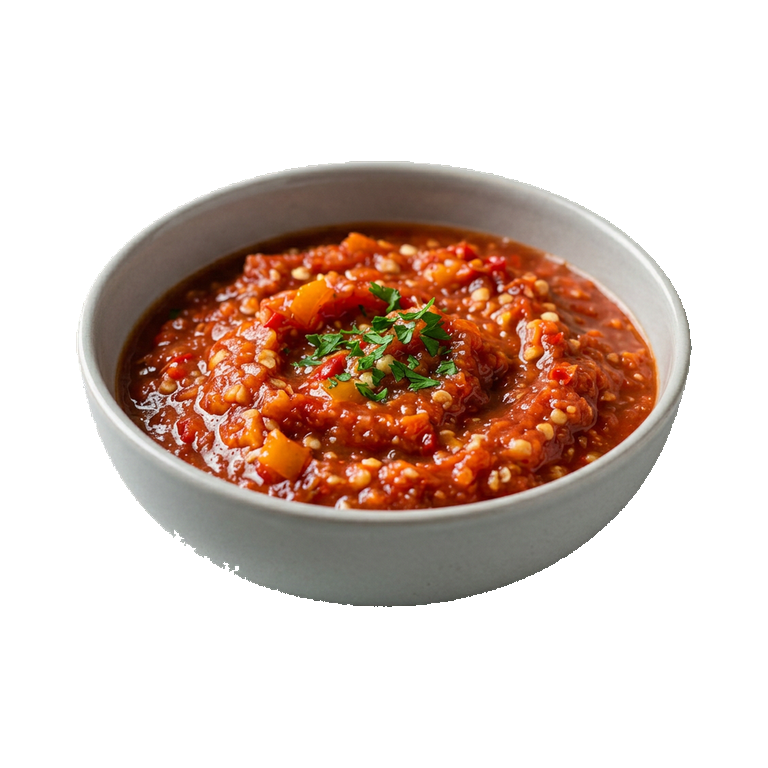
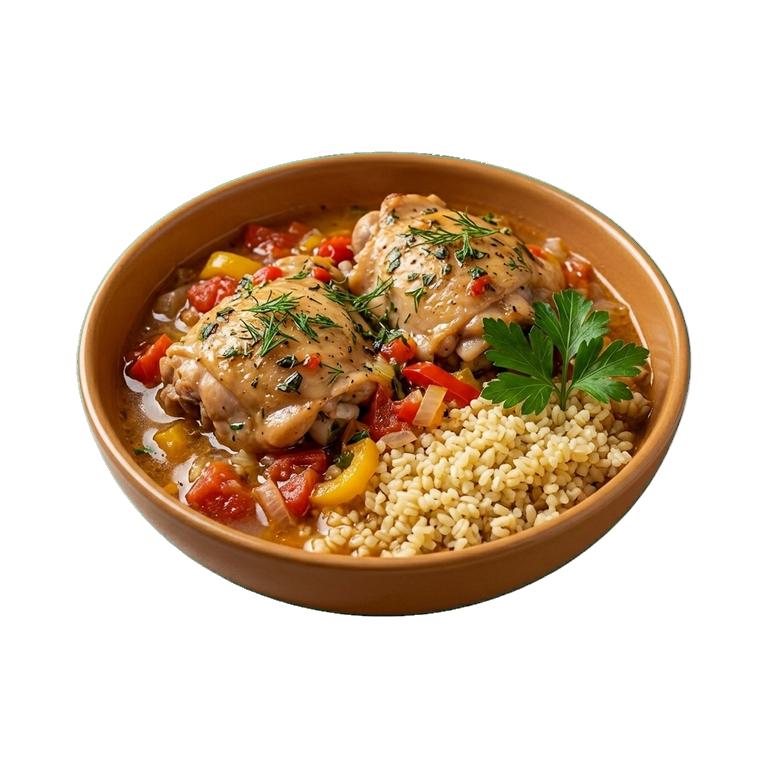
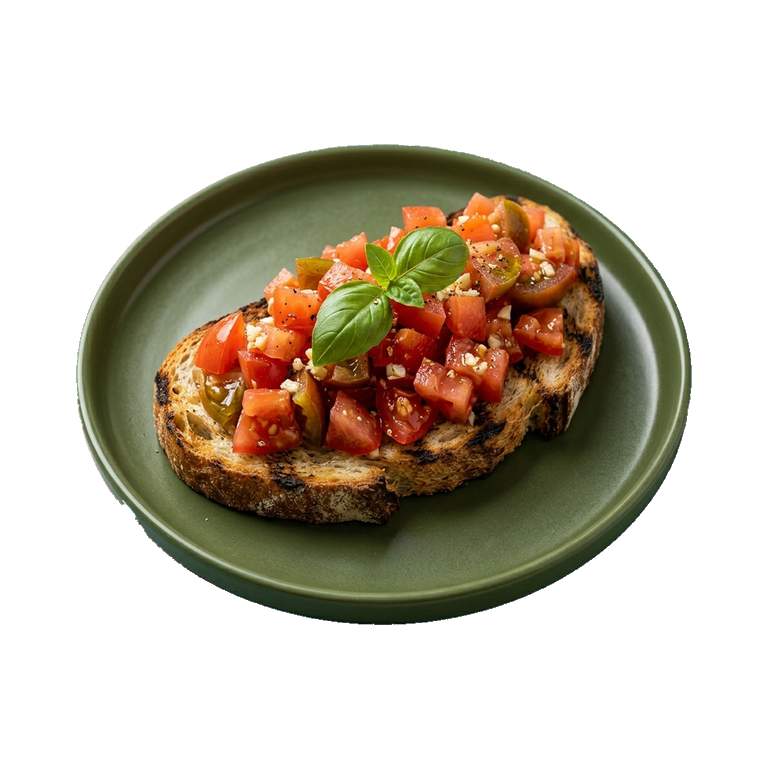
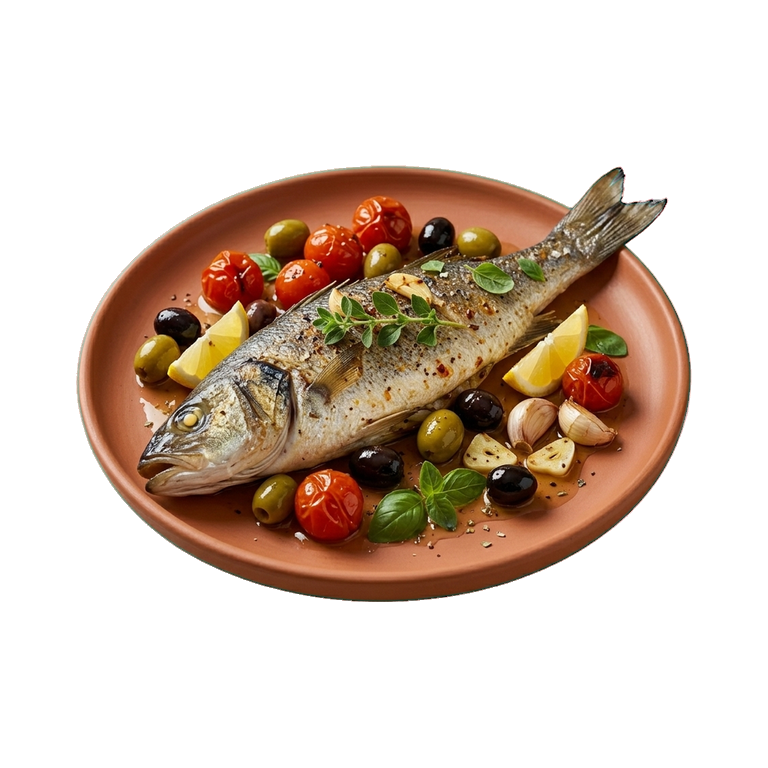
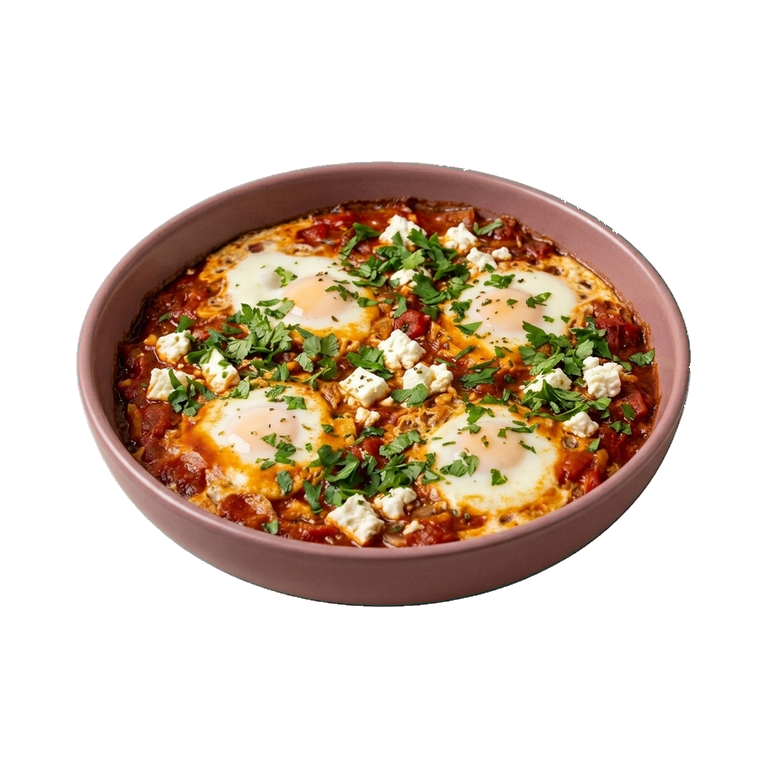
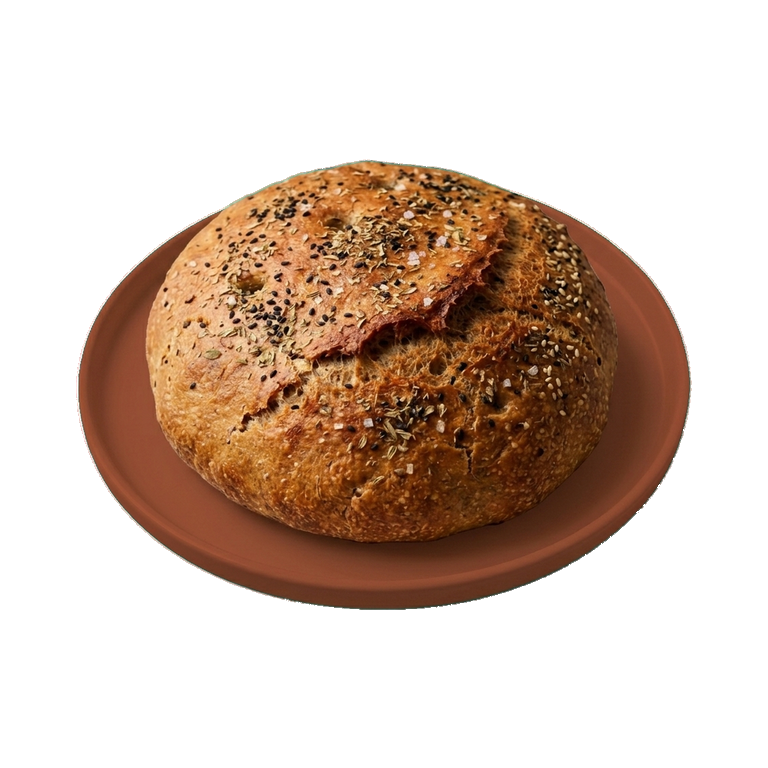
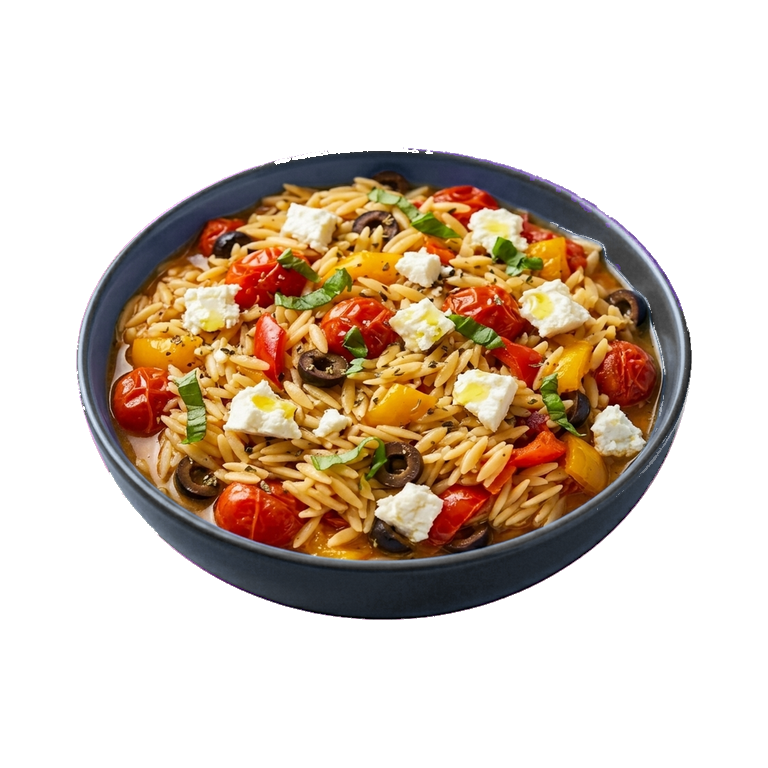
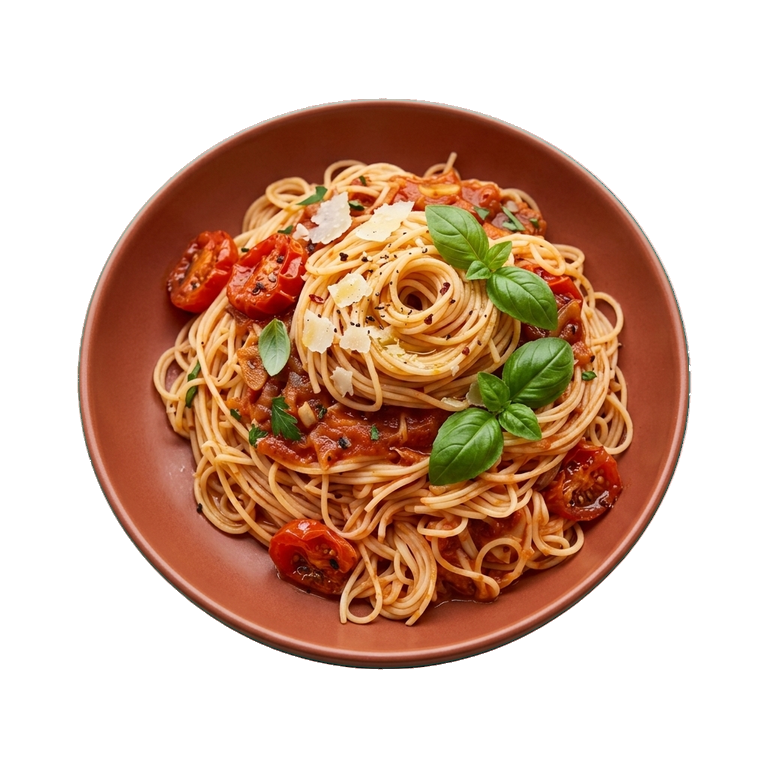
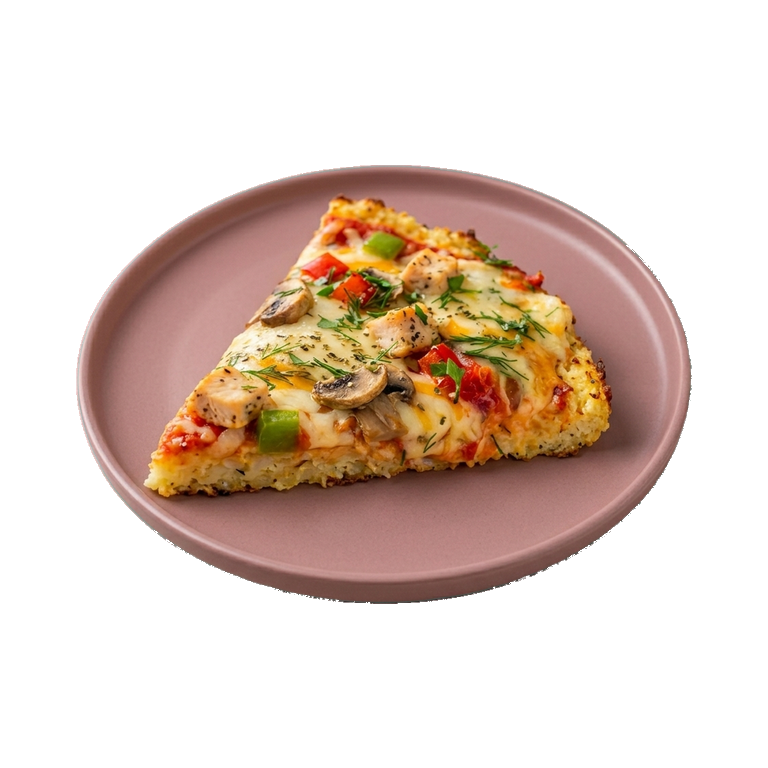
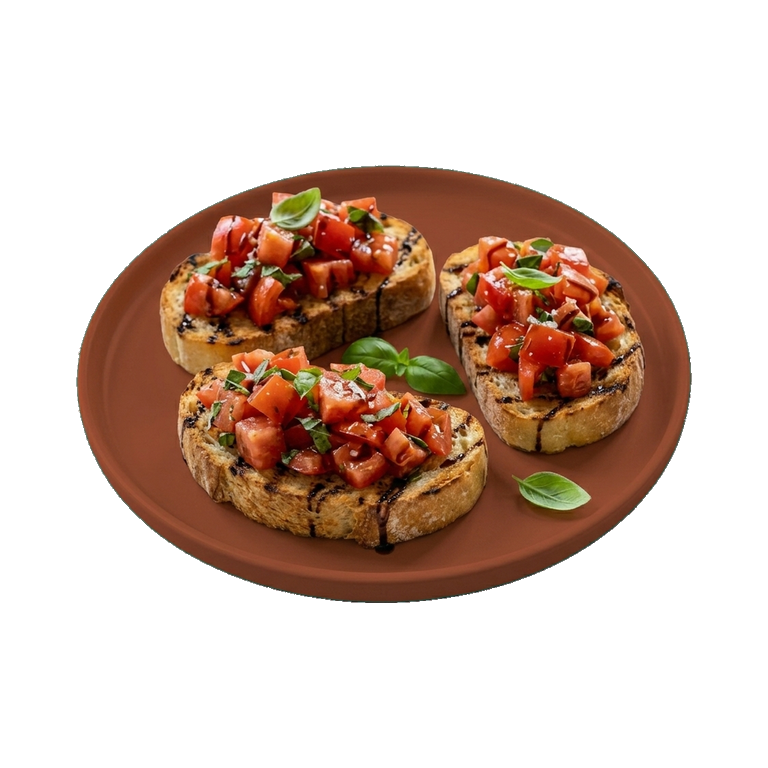
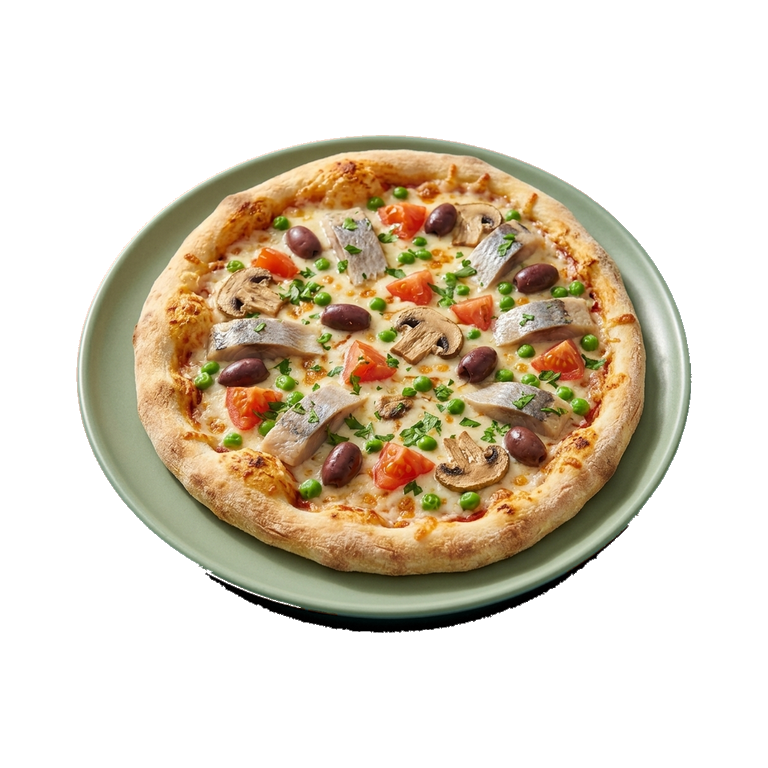
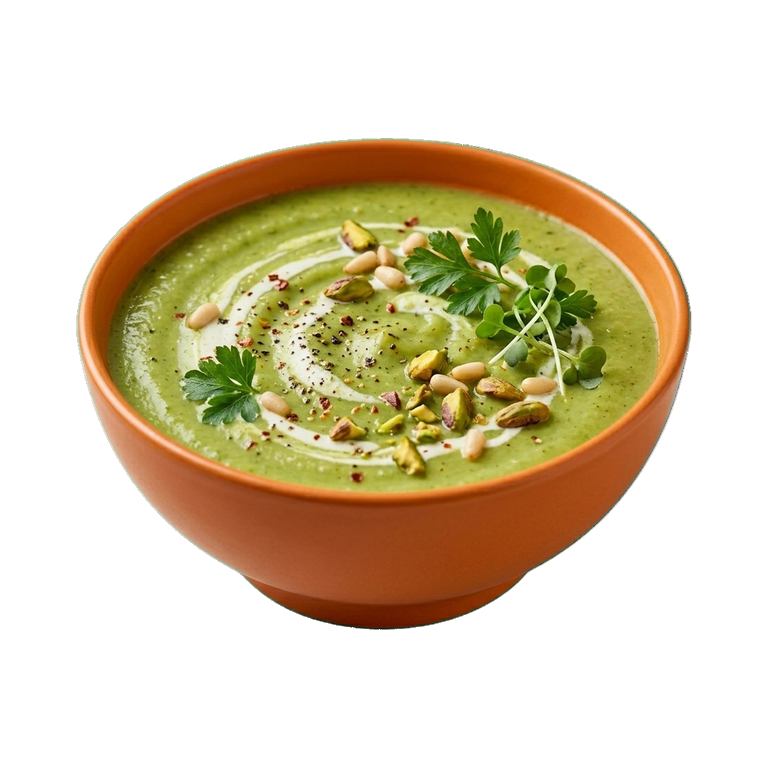
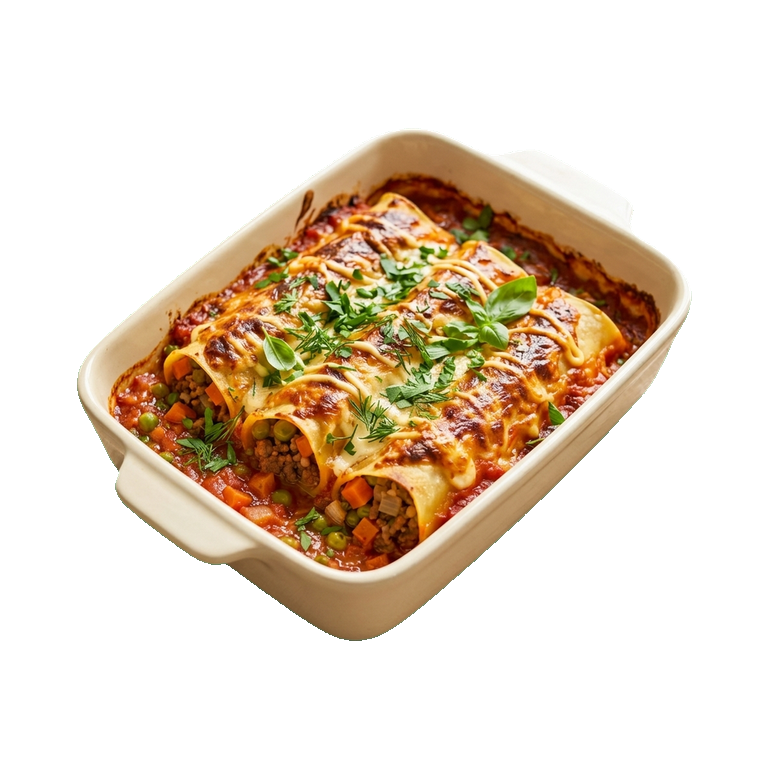
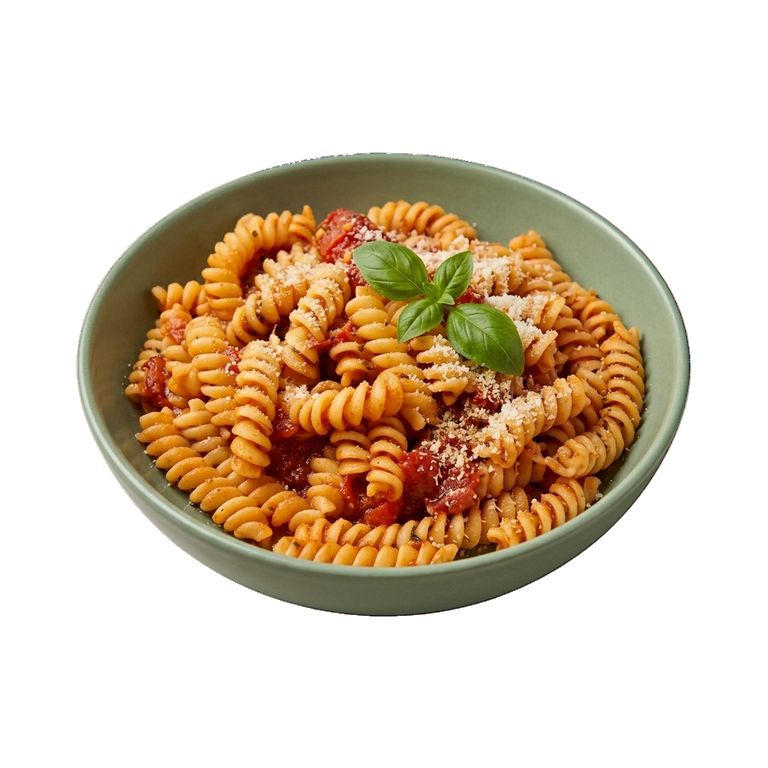
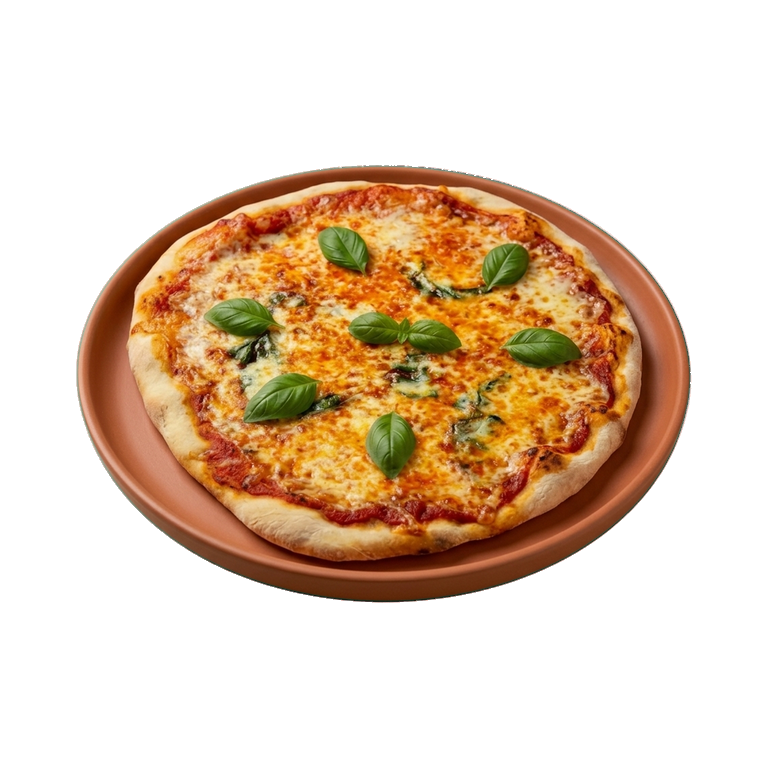
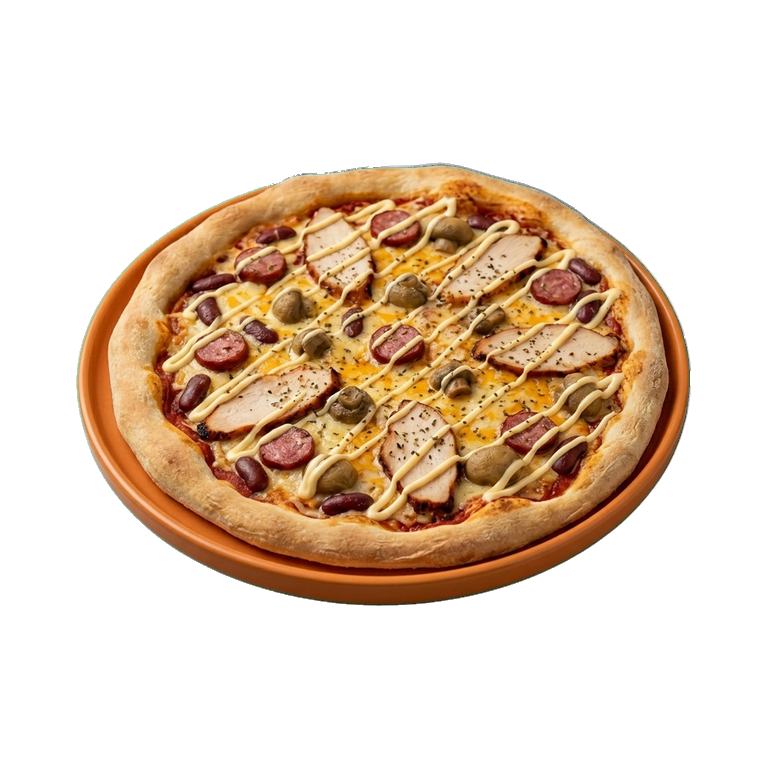
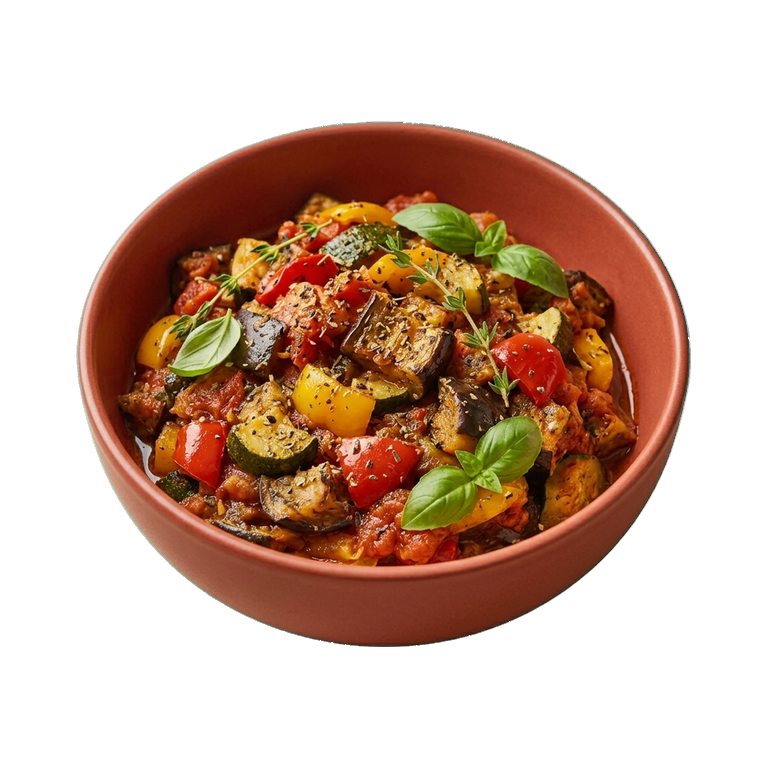
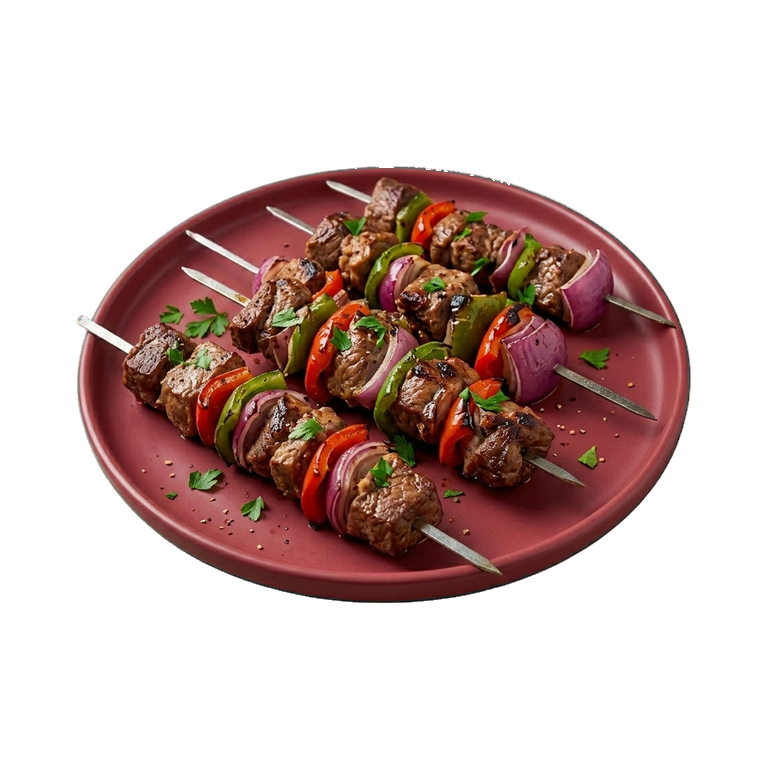
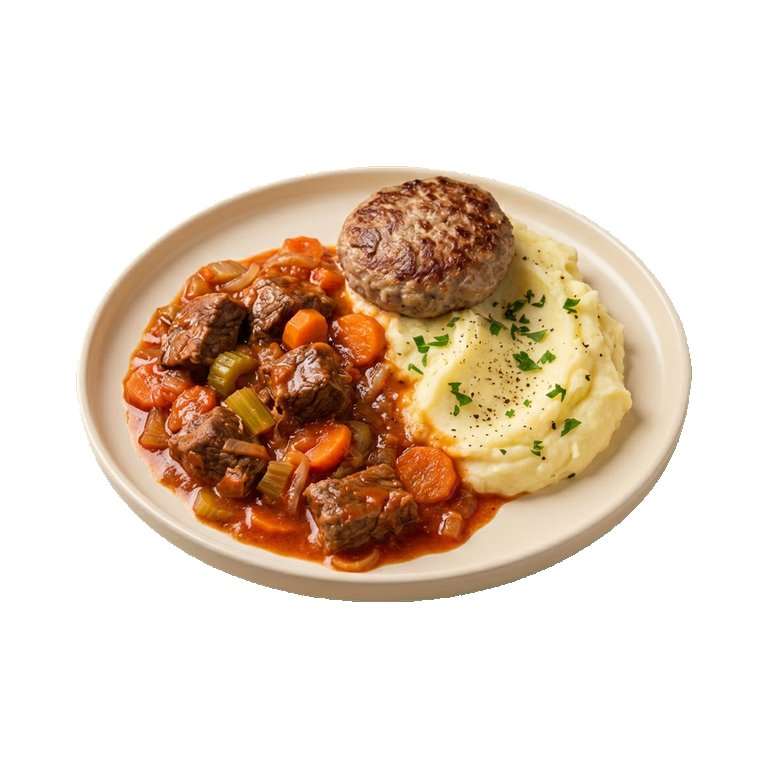
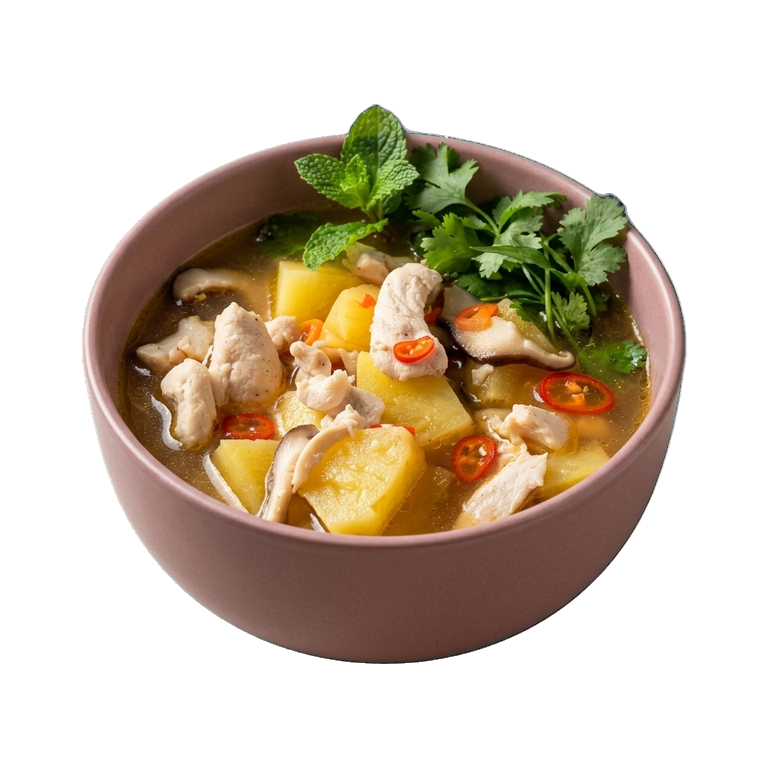
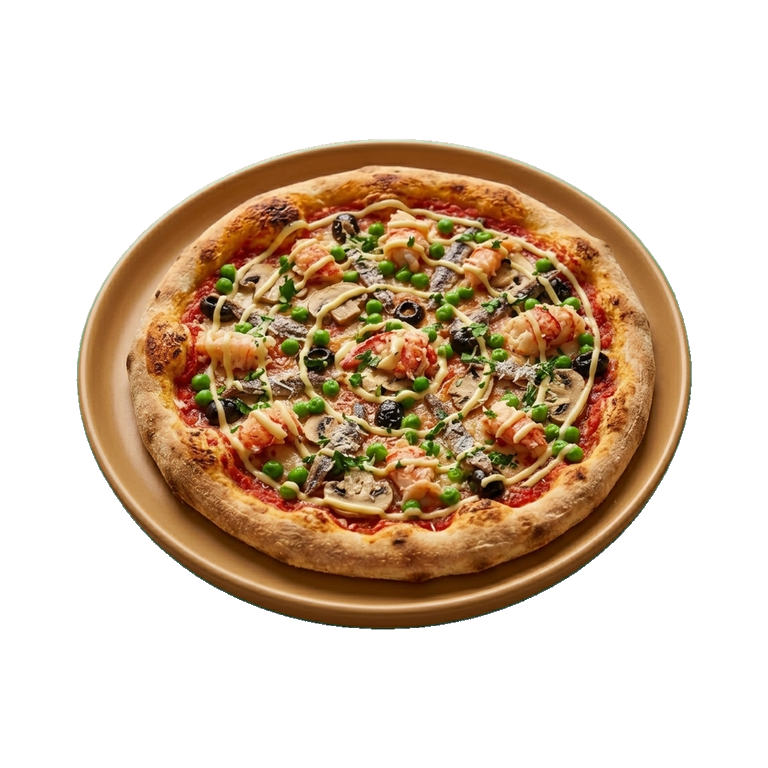
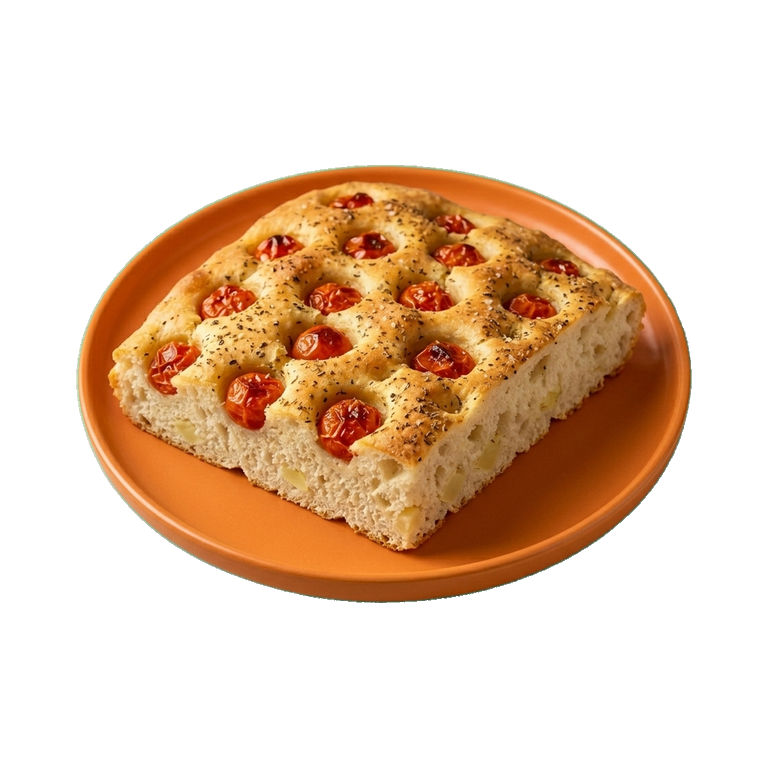
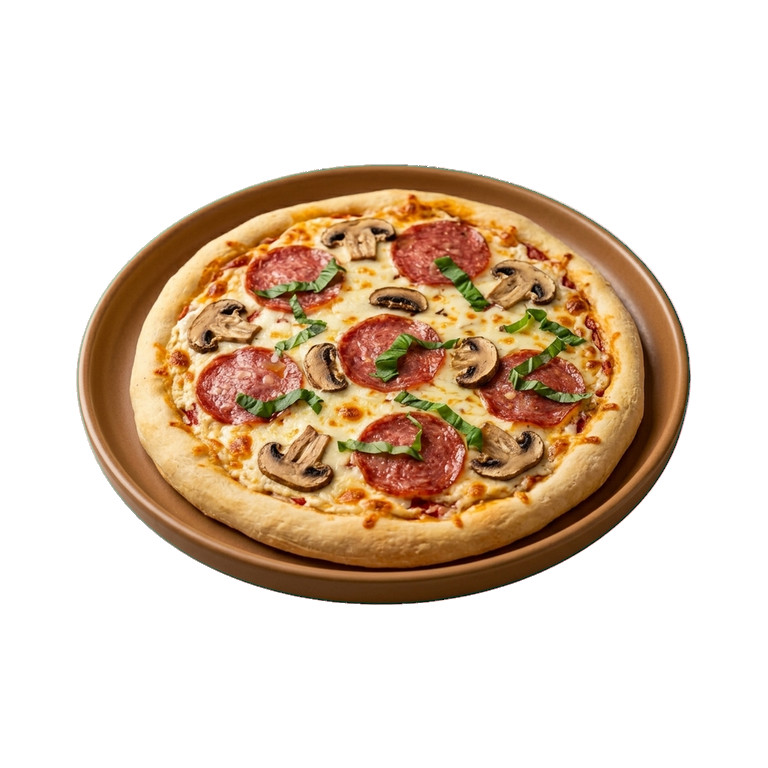
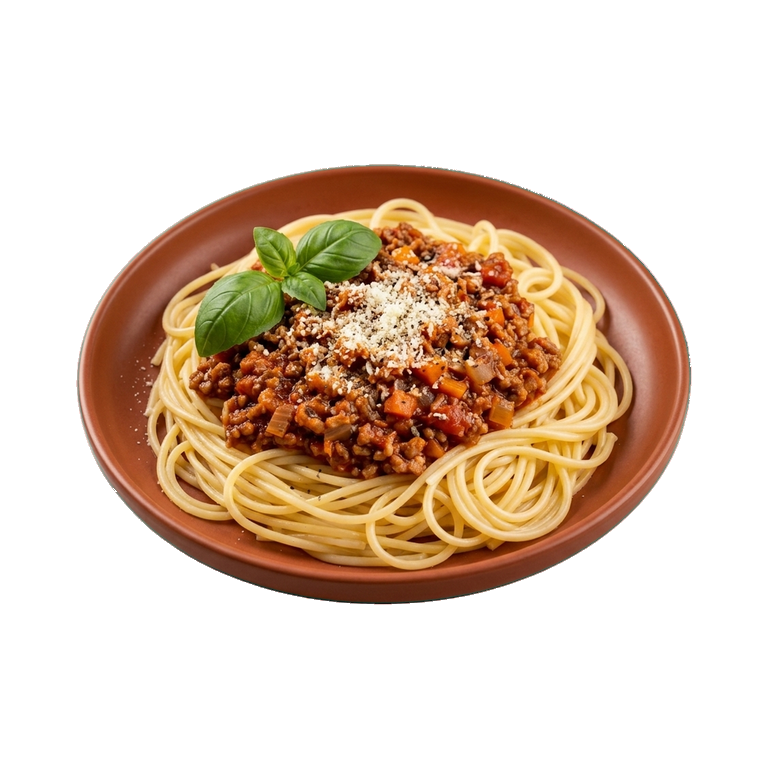
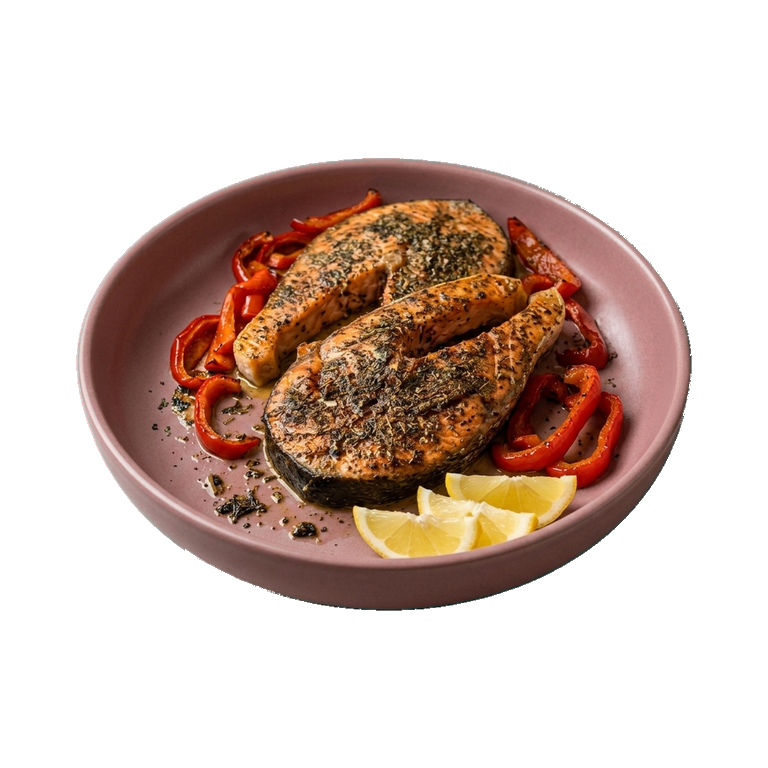
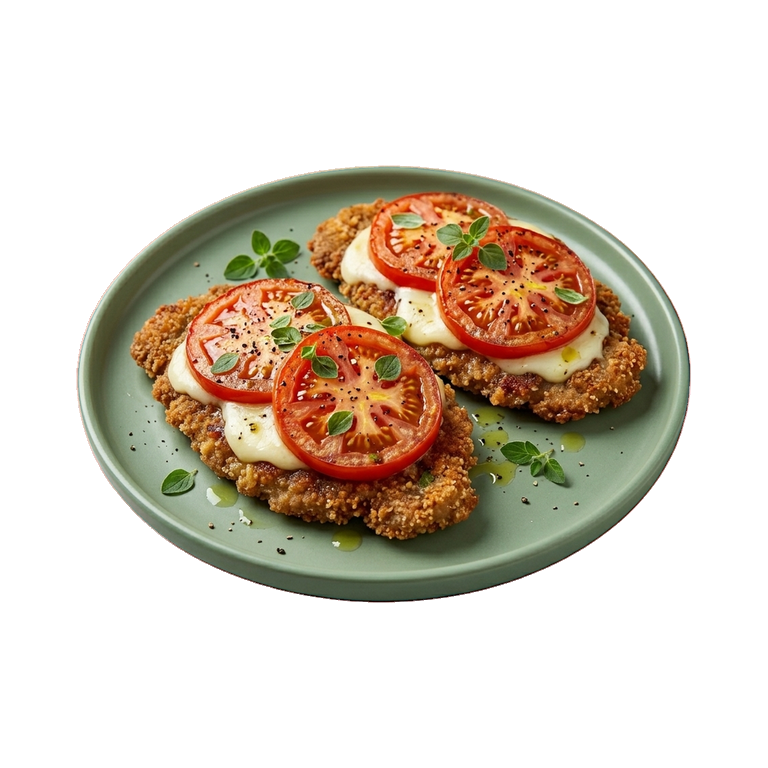
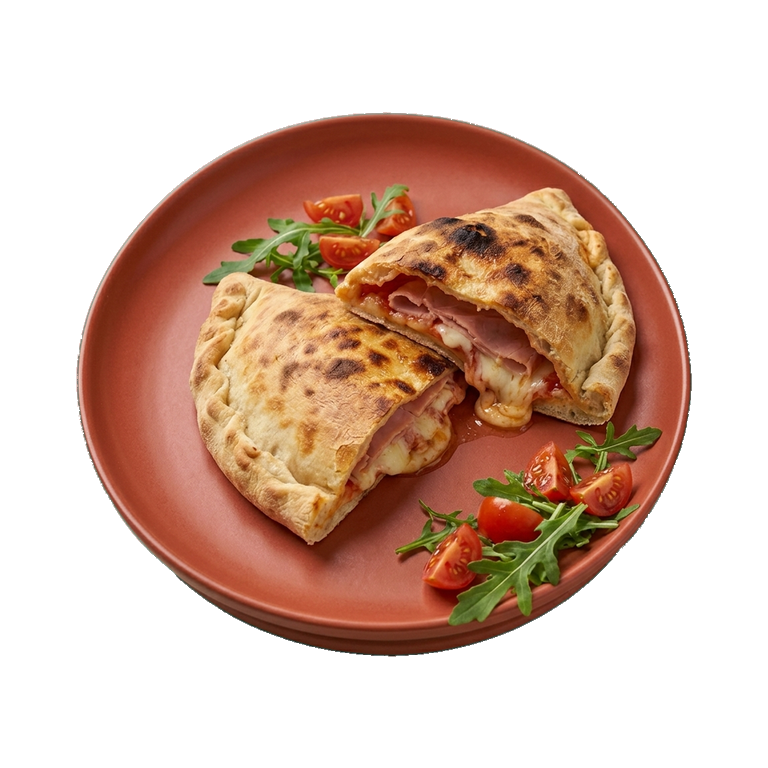
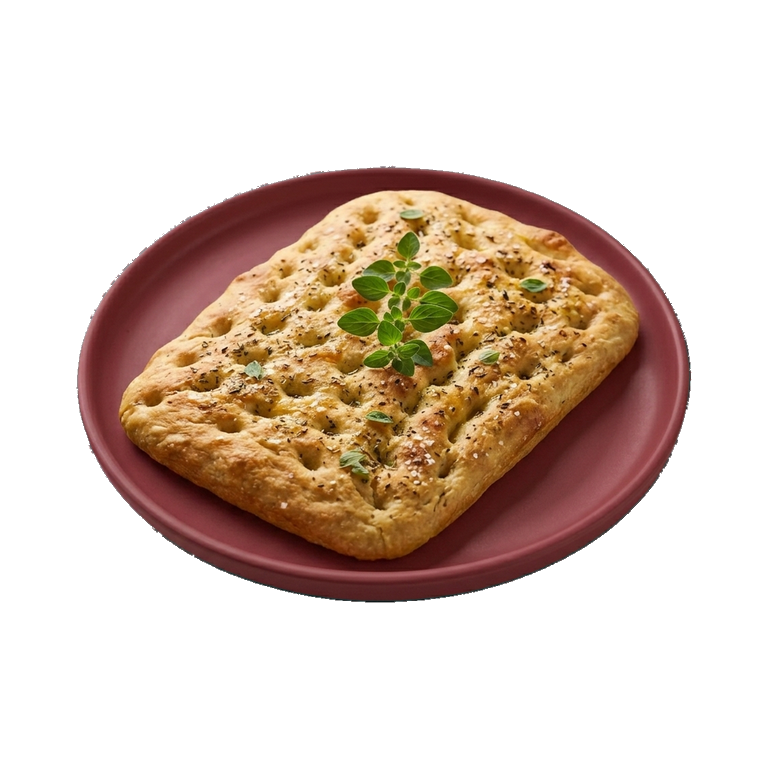
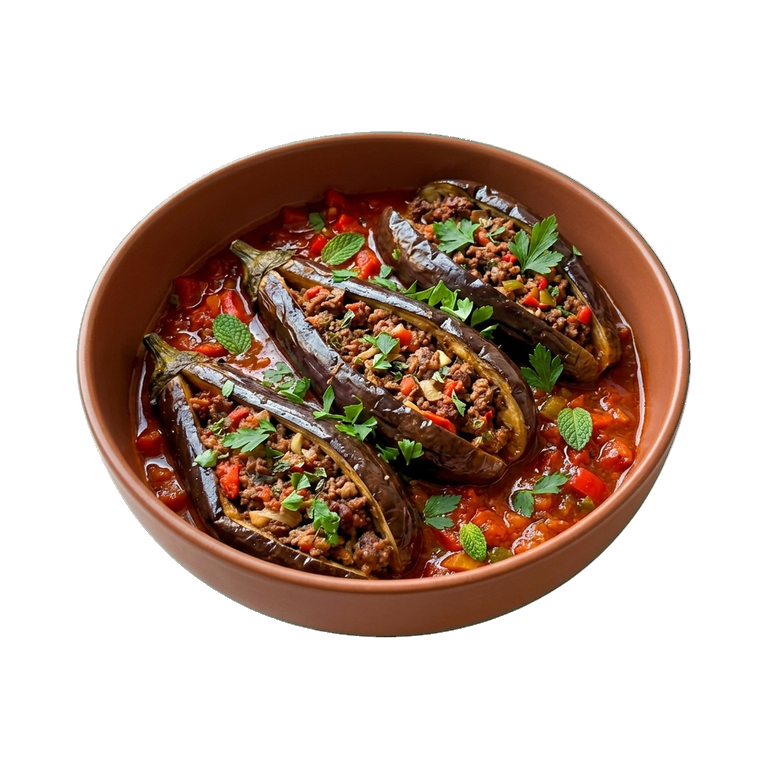
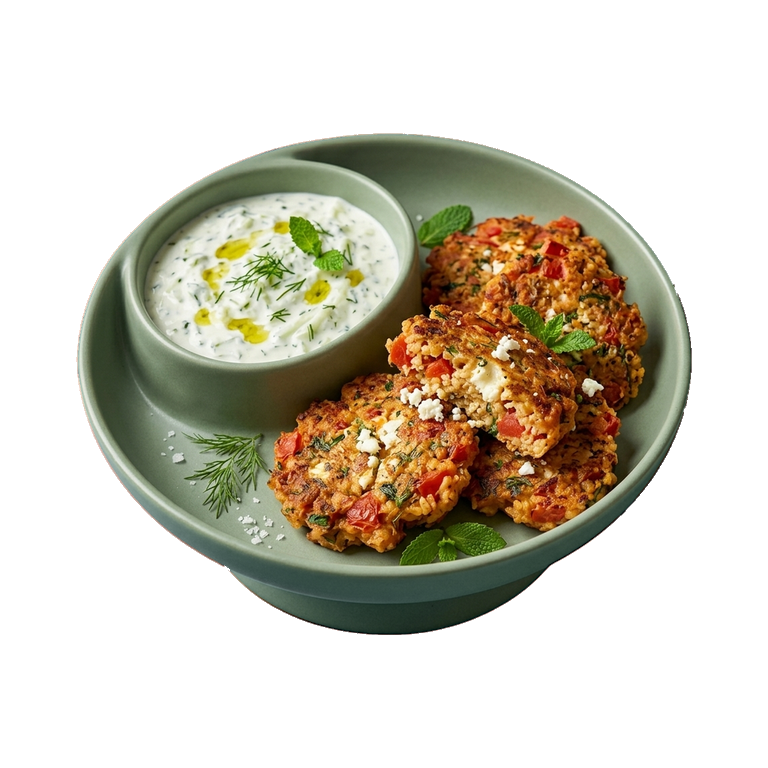
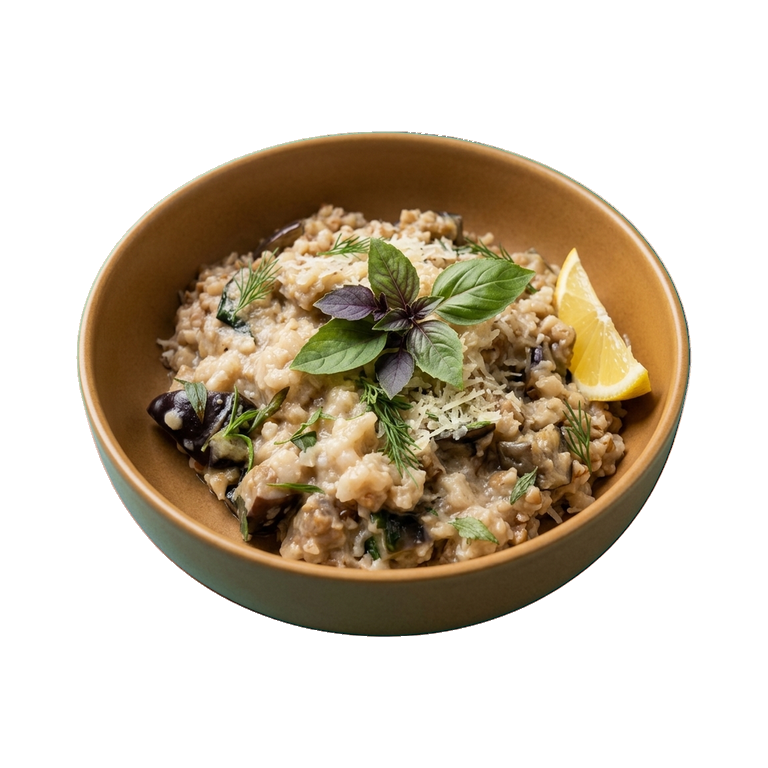
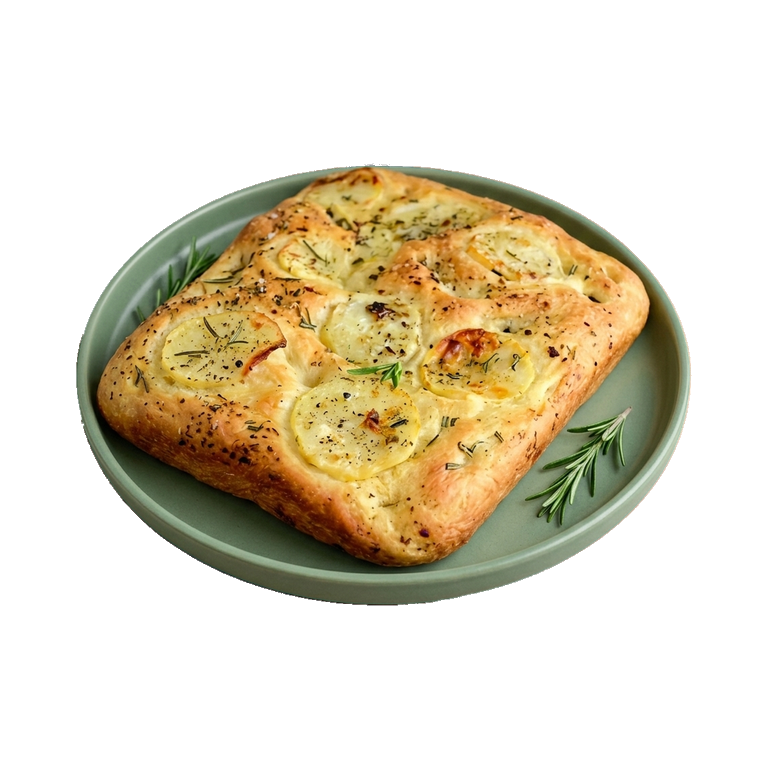
Oregano is an indispensable herb for Mediterranean cuisine. It is added to tomato sauces, marinades for meat and vegetables, sprinkled on pizza and focaccia. This herb works well with chicken, fish, eggplants, and tomatoes. A pinch of oregano will transform a simple vegetable soup or olive oil for dipping bread.
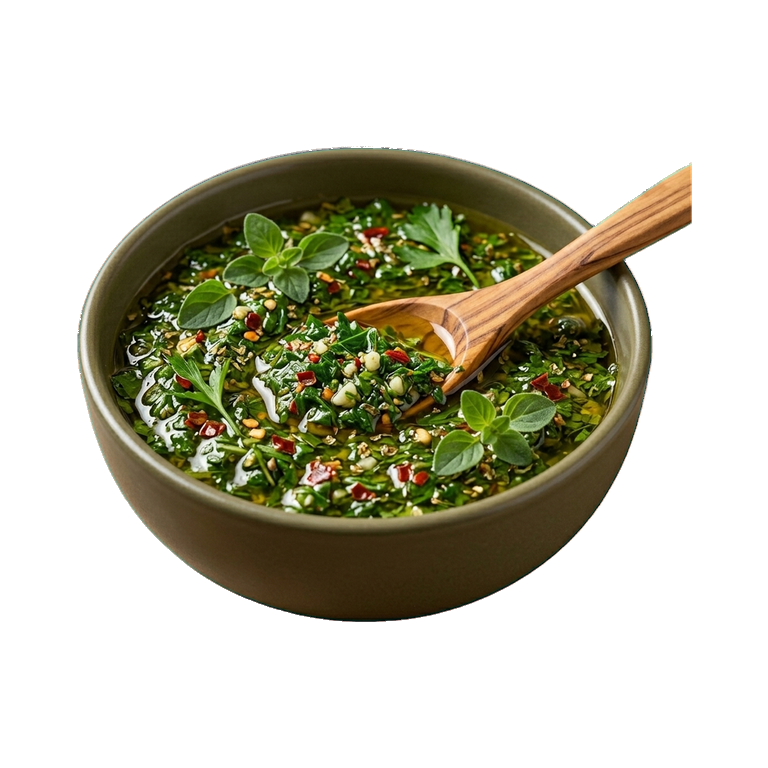
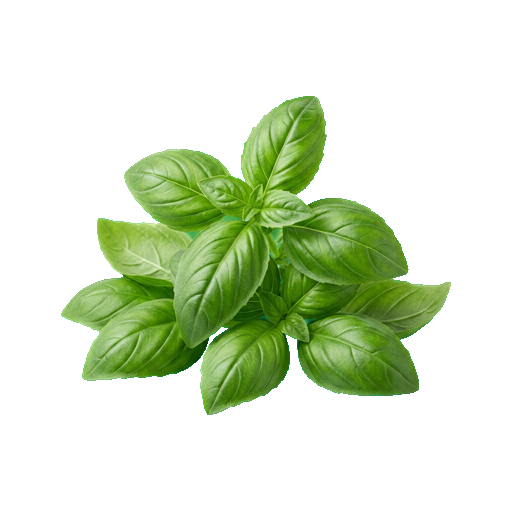
Oregano pairs easily with other herbs: basil, thyme, and rosemary. With garlic and olive oil, it forms a classic combination. It works well with lemon, vinegar, and hot spices — black pepper, red pepper, and coriander.
Selection and Storage
When choosing dried oregano, pay attention to the color — it should be green or greenish-brown, without gray coating. The smell should be bright and recognizable. Choose fresh oregano with firm leaves without darkening and slime.
- Store dried oregano in an airtight glass jar in a dark, cool place — this way it will retain its aroma for up to a year.
- Place fresh oregano in the refrigerator wrapped in a damp cloth or in a container with paper towels — it will last about a week.
- You can freeze fresh leaves in ice cubes with olive oil — convenient to take out in portions for cooking.
Tip: Add dried oregano at the beginning of cooking to let its flavor develop in the dish. Add fresh oregano at the end or right before serving — this way it won't lose its brightness and freshness.
Nutrition
per 100 g
- Calories
- 265 kcal
- Protein
- 9 g
- Fat
- 4.3 g
- Carbs
- 69 g
Micronutrients
per 100 g
Macronutrients
- Fiber
- 42.5 g
- Sugars
- 4.09 g
- Saturated fat
- 1.551 g
- Monounsaturated fat
- 0.716 g
- Polyunsaturated fat
- 1.369 g
- Omega-3 (EPA + DHA)
- 0 g
- Cholesterol
- 0 mg
- Water
- 9.93 g
Minerals
- Sodium
- 25 mg
- Potassium
- 1260 mg
- Calcium
- 1597 mg
- Magnesium
- 270 mg
- Phosphorus
- 148 mg
- Iron
- 36.8 mg
- Zinc
- 2.69 mg
- Copper
- 0.63 mg
- Manganese
- 4.99 mg
- Selenium
- 4.5 mcg
Vitamins
- Vitamin A (RAE)
- 85 mcg
- Vitamin D
- 0 mcg
- Vitamin E
- 18.26 mg
- Vitamin K
- 621.7 mcg
- Vitamin C
- 2.3 mg
- Vitamin B1 (thiamin)
- 0.18 mg
- Vitamin B2 (riboflavin)
- 0.53 mg
- Vitamin B3 (niacin)
- 4.64 mg
- Vitamin B5 (pantothenic acid)
- 0.92 mg
- Vitamin B6
- 1.04 mg
- Vitamin B9 (folate, DFE)
- 237 mcg
- Vitamin B12
- 0 mcg
Measures and weight
- 1 tbsp
- 2.3 g
- 1 tsp
- 0.8 g
- 1 cup
- 37.5 g
- 1 bunch
- 20 g
- 1 sprig
- 1.5 g
- 1 stalk
- 1.5 g
Measure calculator
- Weight
- 100 g
- Calories
- 265 kcal