Usuba
Usuba
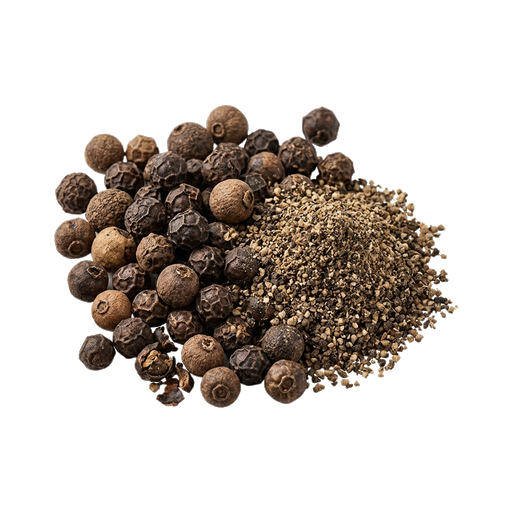
Black peppercorns
Black peppercorns are dried unripe pepper fruits with a sharp, slightly pungent taste featuring woody and spicy notes. Used as a universal seasoning in virtually all world cuisines, it enhances the flavor of meat, fish, vegetables, and soups. When selecting, pay attention to the integrity of the peppercorns and the absence of mold. Ground pepper is best prepared immediately before use, as ground pepper quickly loses its aroma.
Micronutrients
per 100 g
Minerals
About
Black peppercorns are an essential item in any kitchen. Unlike ground pepper, peppercorns retain their essential oils and aroma much longer. When you grind them right before cooking, the flavor becomes brighter and more complex. It's not just a seasoning, but a tool that transforms a dish for the better.
Aroma and Taste
The peppercorns emit a spicy, slightly woody aroma with sharp notes. When heated, the fragrance becomes even more pronounced and warming. The pepper provides a burning sensation on the palate, which is not sharp but gently enveloping. If the peppercorns are fresh, they break with a light crack rather than crumbling into dust.
How to use in cooking
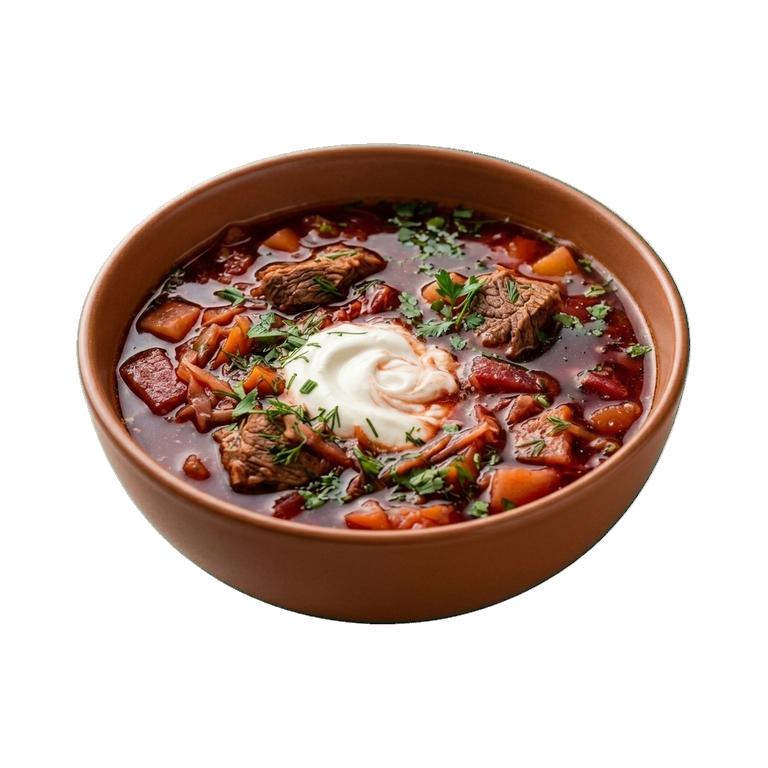
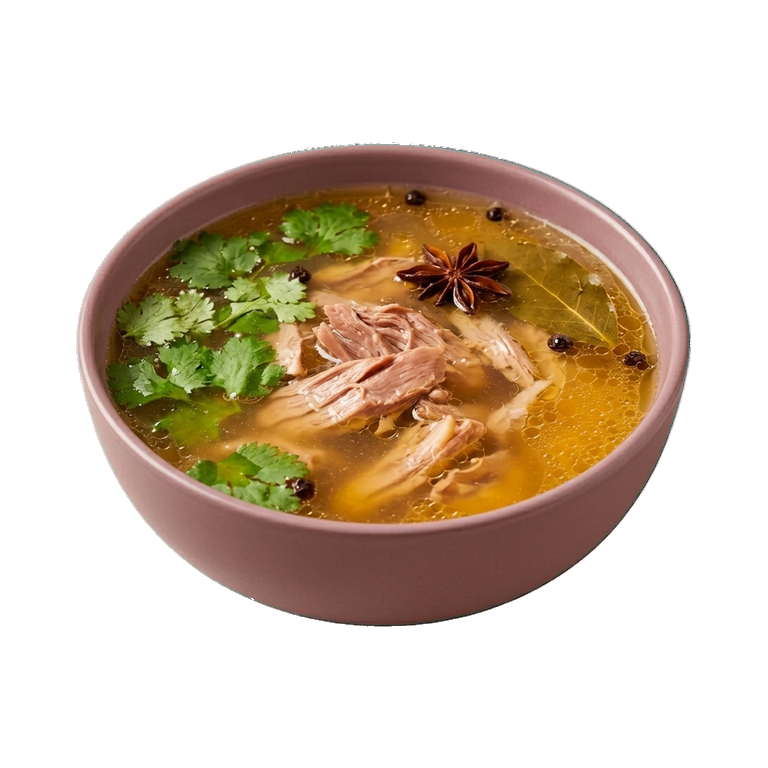
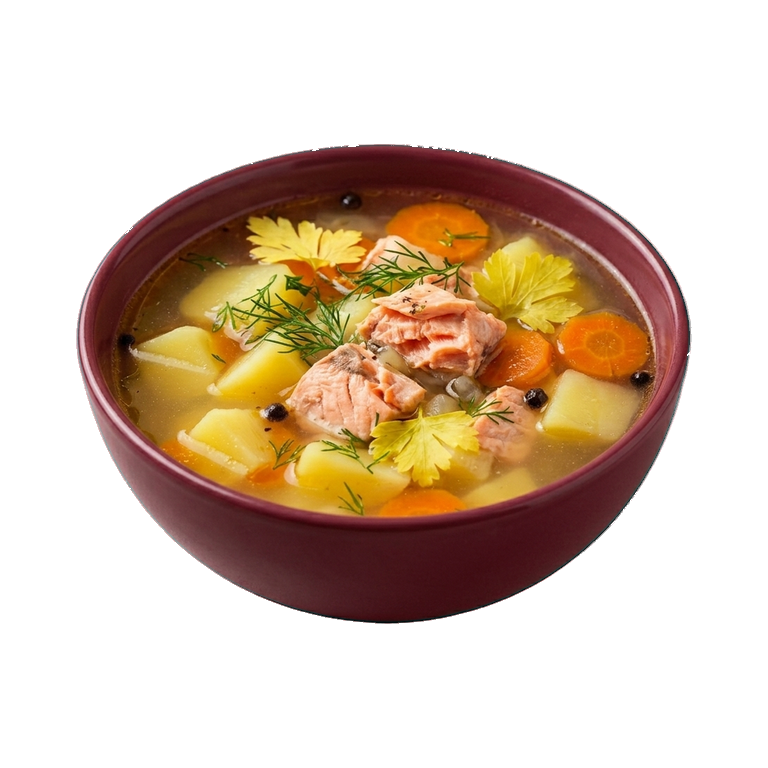
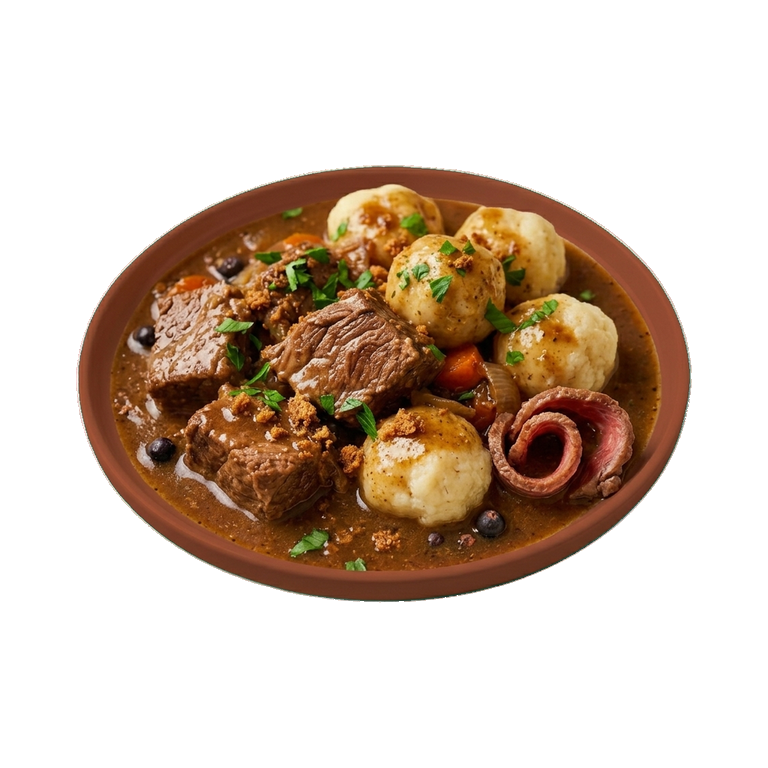
It is best to grind pepper immediately before adding it to a dish — this way it will impart maximum flavor. For soups and broths, you can throw whole peppercorns directly into the pot and remove them before serving. In marinades and pickles, peppercorns work perfectly: they don't dissolve and provide even piquancy.
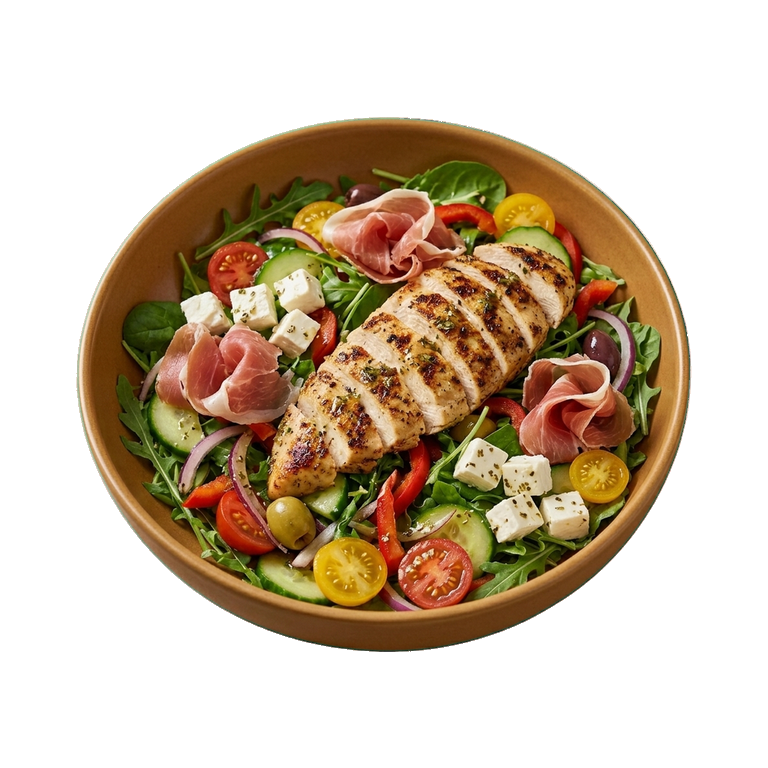
When frying meat, sprinkle it with ground pepper before putting it in the pan — it will fry and create a delicious crust. For salads, grind it directly onto the plate. Even desserts and hot chocolate sometimes get a pinch of black pepper to enhance sweetness and add depth.
Combinations with other ingredients
- With salt creates a basic seasoning for any dish
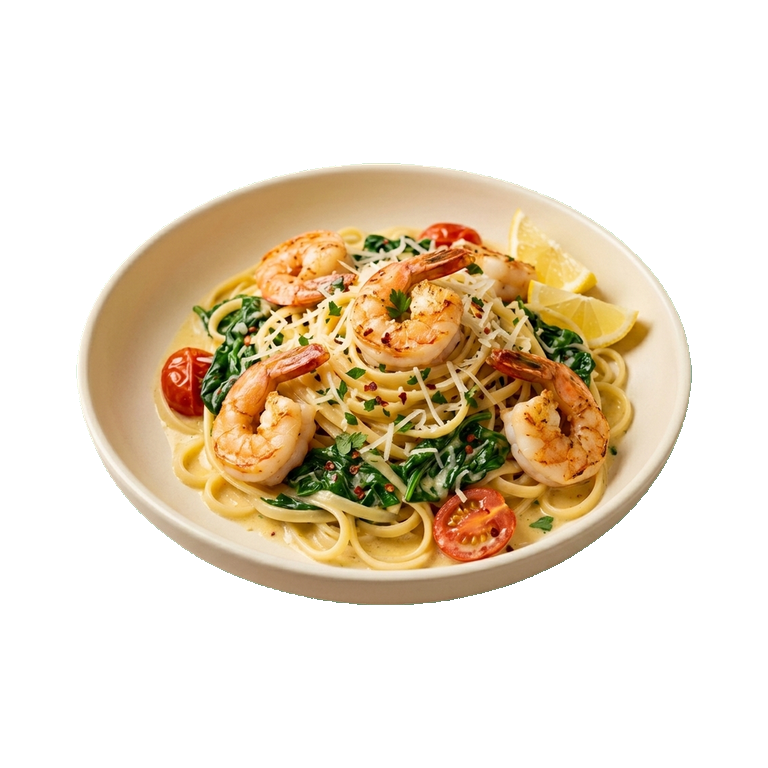
- With garlic and lemon — a classic trio for fish and seafood
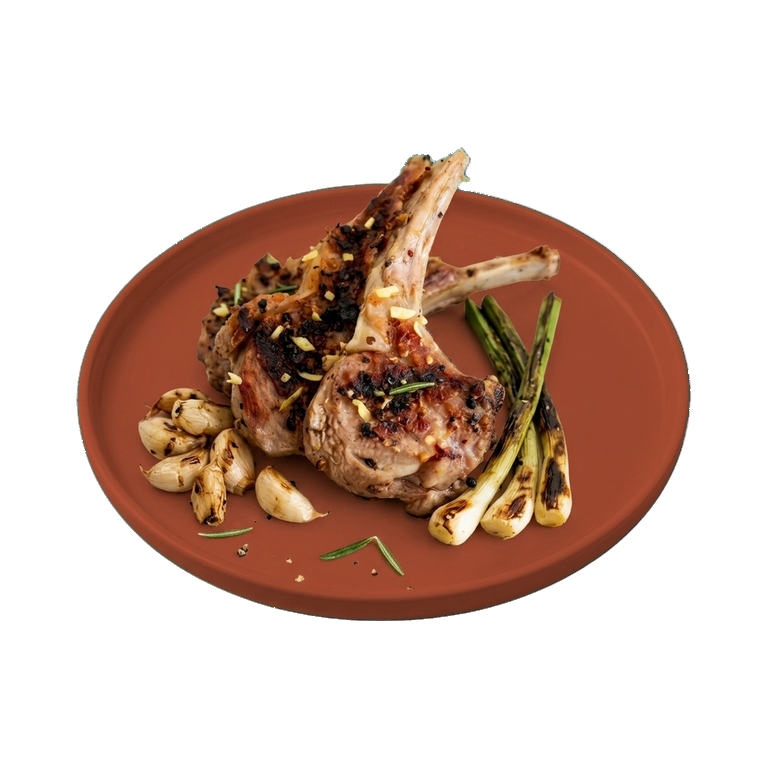
- With rosemary and thyme — ideal for roasted meat
- With cinnamon and cloves — adds warmth to marinades and sauces
- With coriander and bay leaf — the foundation for pickling vegetables
Selection and Storage
Choose peppercorns of a dark, almost black color — they should be dense and free of cracks. If the pepper looks gray or dull, this is a sign that it has already lost its essential oils. Quality pepper should not smell musty or moldy.
Store peppercorns in an airtight glass jar in a dark, cool place — away from direct sunlight and heat sources. When stored properly, pepper will retain its properties for a year or more. Ground pepper loses quality much faster, so it's best to always keep a grinder on hand and grind as needed.
Black peppercorns are an investment in the quality of every dish. A small package will last a long time and pay for itself many times over, because even a pinch of this spice can transform the taste of food.
Nutrition
per 100 g
- Calories
- 251 kcal
- Protein
- 10.4 g
- Fat
- 3.3 g
- Carbs
- 64.8 g
Micronutrients
per 100 g
Macronutrients
- Fiber
- 25.3 g
- Sugars
- 0.64 g
- Saturated fat
- 1.392 g
- Monounsaturated fat
- 0.739 g
- Polyunsaturated fat
- 0.998 g
- Omega-3 (EPA + DHA)
- 0 g
- Cholesterol
- 0 mg
- Water
- 12.46 g
Minerals
- Sodium
- 20 mg
- Potassium
- 1329 mg
- Calcium
- 443 mg
- Magnesium
- 171 mg
- Phosphorus
- 158 mg
- Iron
- 9.71 mg
- Zinc
- 1.19 mg
- Copper
- 1.33 mg
- Manganese
- 12.75 mg
- Selenium
- 4.9 mcg
Vitamins
- Vitamin A (RAE)
- 27 mcg
- Vitamin D
- 0 mcg
- Vitamin E
- 1.04 mg
- Vitamin K
- 163.7 mcg
- Vitamin C
- 0 mg
- Vitamin B1 (thiamin)
- 0.11 mg
- Vitamin B2 (riboflavin)
- 0.18 mg
- Vitamin B3 (niacin)
- 1.14 mg
- Vitamin B5 (pantothenic acid)
- 1.4 mg
- Vitamin B6
- 0.29 mg
- Vitamin B9 (folate, DFE)
- 17 mcg
- Vitamin B12
- 0 mcg
Measures and weight
- 1 tbsp
- 6.5 g
- 1 tsp
- 2.1 g
- 1 cup
- 107.5 g
- 1 pcs
- 0.6 g
Measure calculator
- Weight
- 100 g
- Calories
- 251 kcal