Usuba
Usuba
Cottage cheese
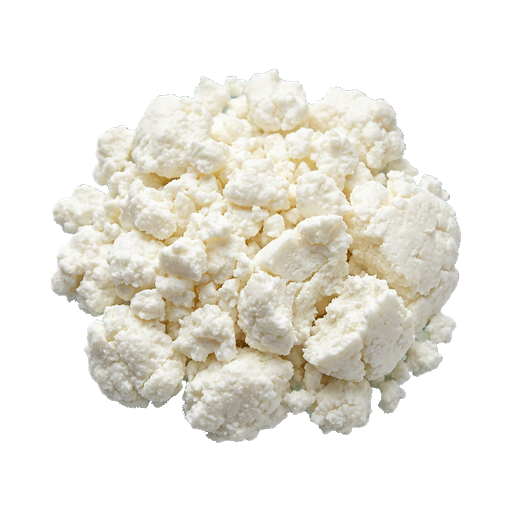
Cottage cheese is a fermented dairy product with a granular structure, obtained from milk through souring and whey separation. It is characterized by a delicate, slightly tangy flavor and high protein content, making it a versatile ingredient for both sweet and savory dishes. When selecting cottage cheese, pay attention to consistency — it can be crumbly or more moist — and freshness, as the product spoils quickly; when substituting in recipes, it's important to account for moisture content, which affects the final texture of the dish.
Micronutrients
per 100 g
Minerals
About
Cottage cheese is one of the most versatile dairy products in the kitchen. It is a granular mass with a soft texture that works equally well in sweet desserts and savory dishes. Its main advantage is that it easily adapts to any recipe: you can use it as a base, as a filling, as a binding ingredient, or simply as a standalone dish.
Texture and taste
Cottage cheese can vary depending on its fat content and production method. High-fat cottage cheese (9% and above) provides a creamy, delicate texture — ideal for sweet dishes and casseroles. Medium-fat cottage cheese (5–9%) is versatile and works well for almost everything. Fat-free cottage cheese is more crumbly and dense, requires careful handling, but is good for those counting calories.
Cottage cheese has a soft, milky taste with a slight sourness. It doesn't overpower other ingredients but rather enhances them. Fresh cottage cheese smells of milk and cream, without sharp acidic notes. If a too strong sour taste is detected, it's a sign that the product has started to spoil.
Role in different dishes
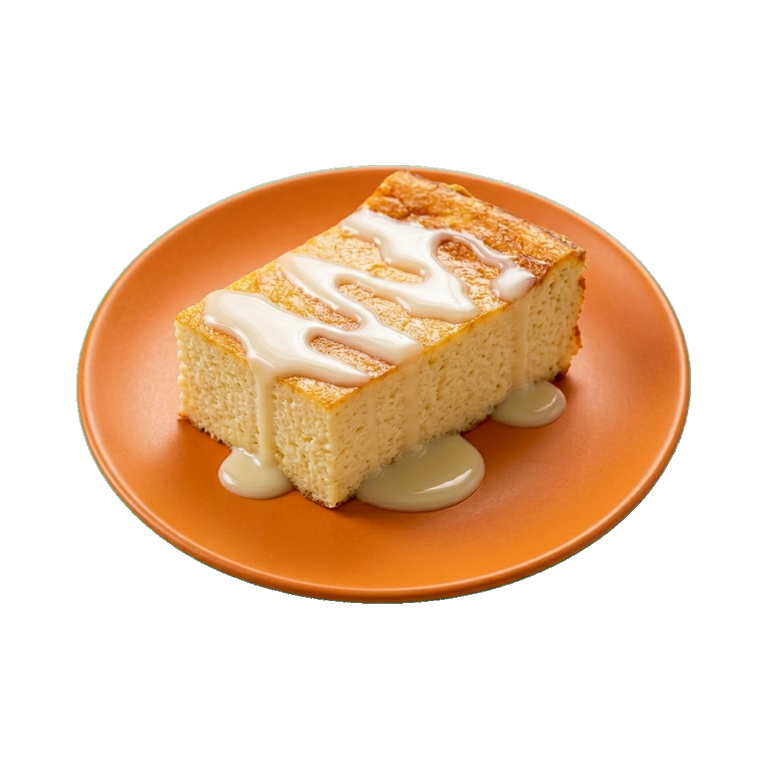
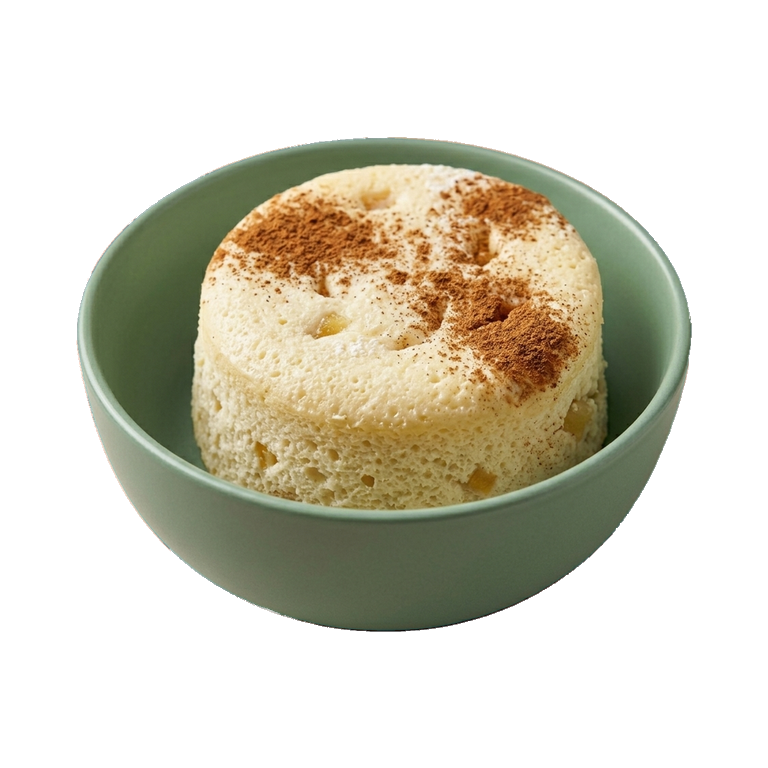
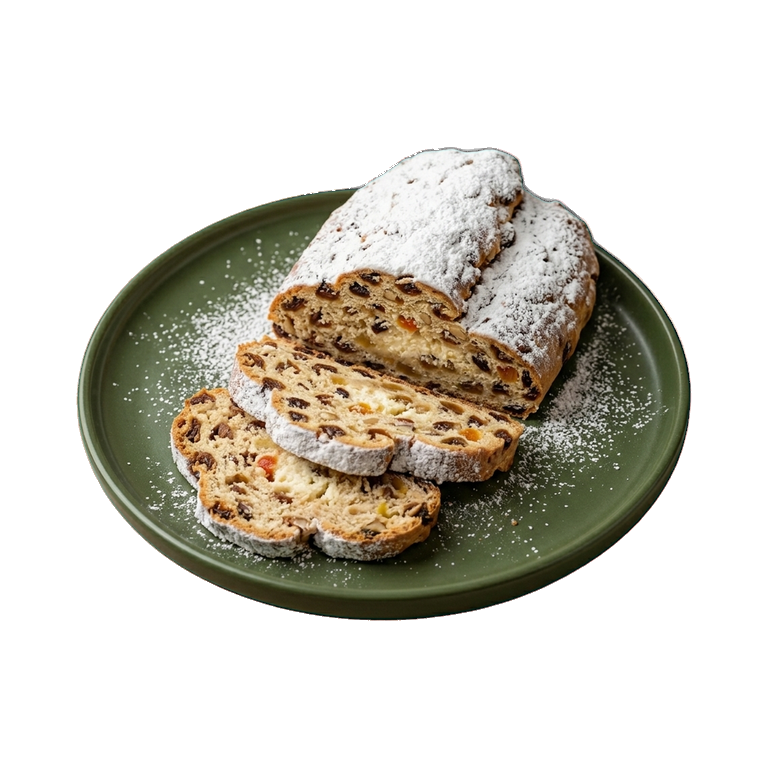
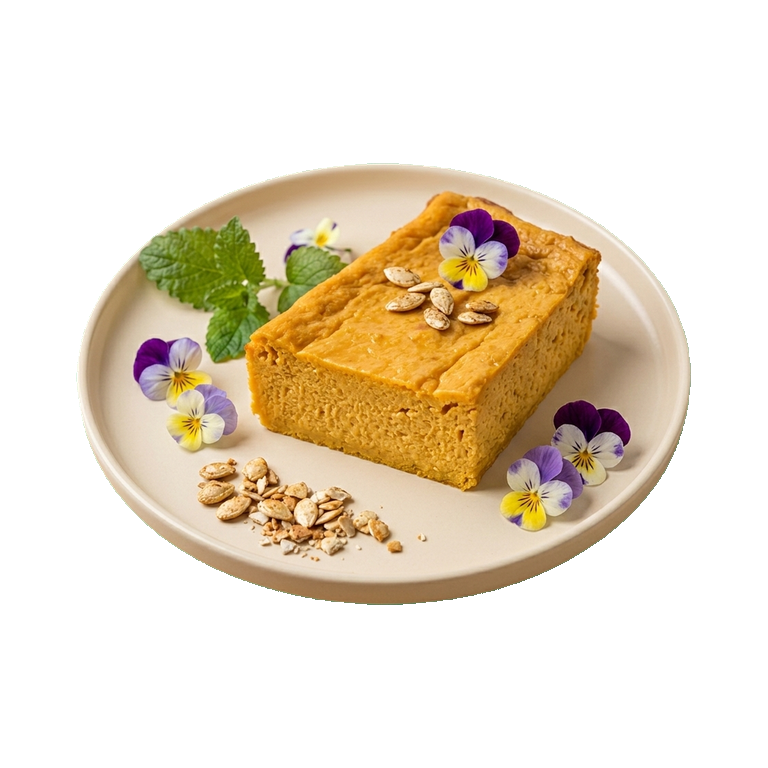
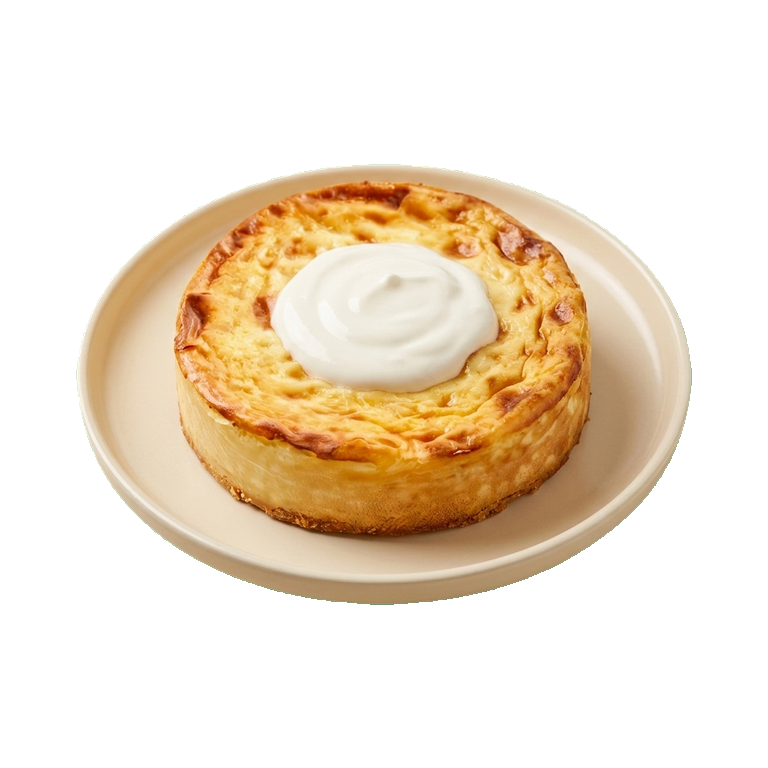
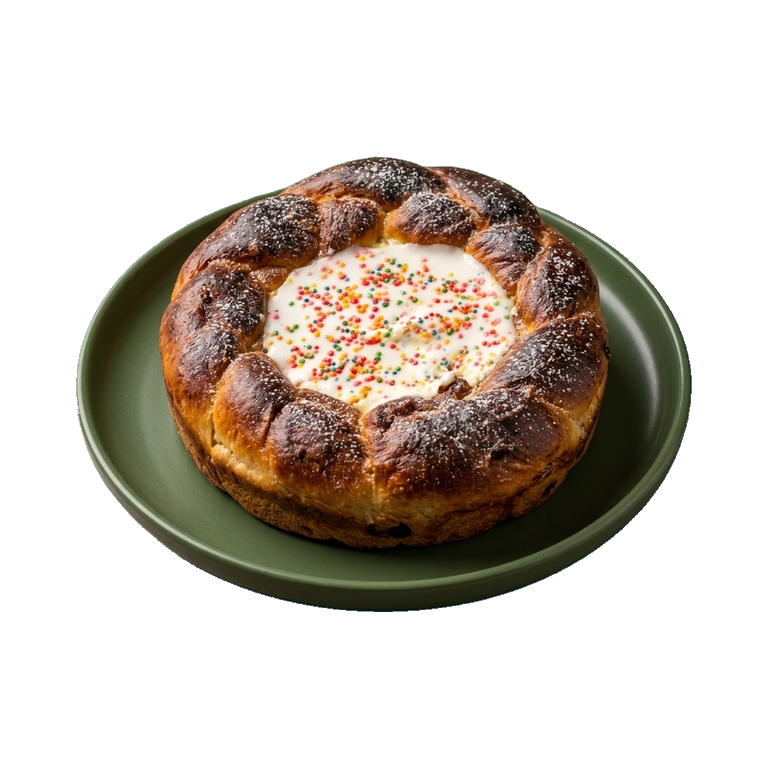
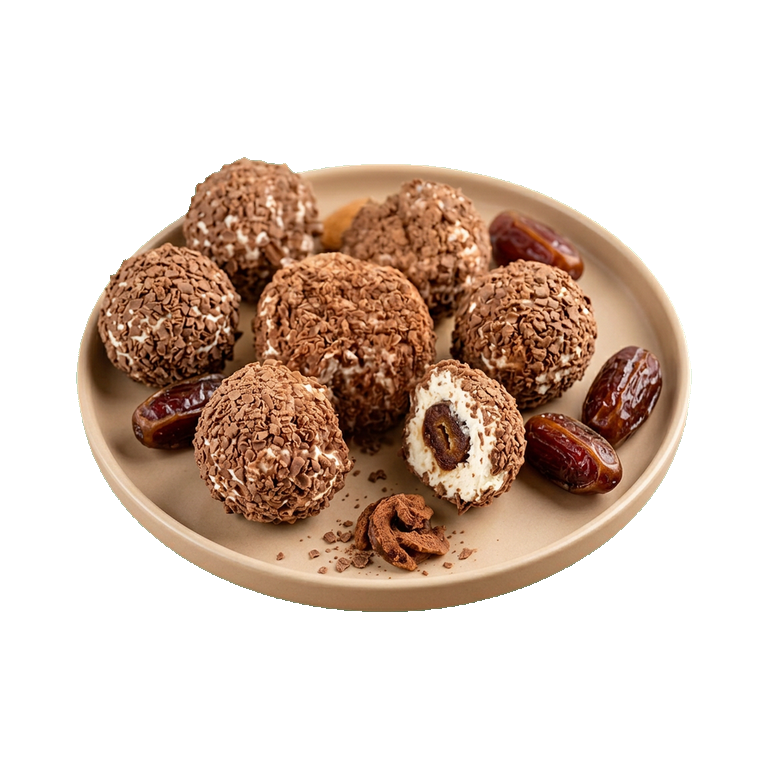
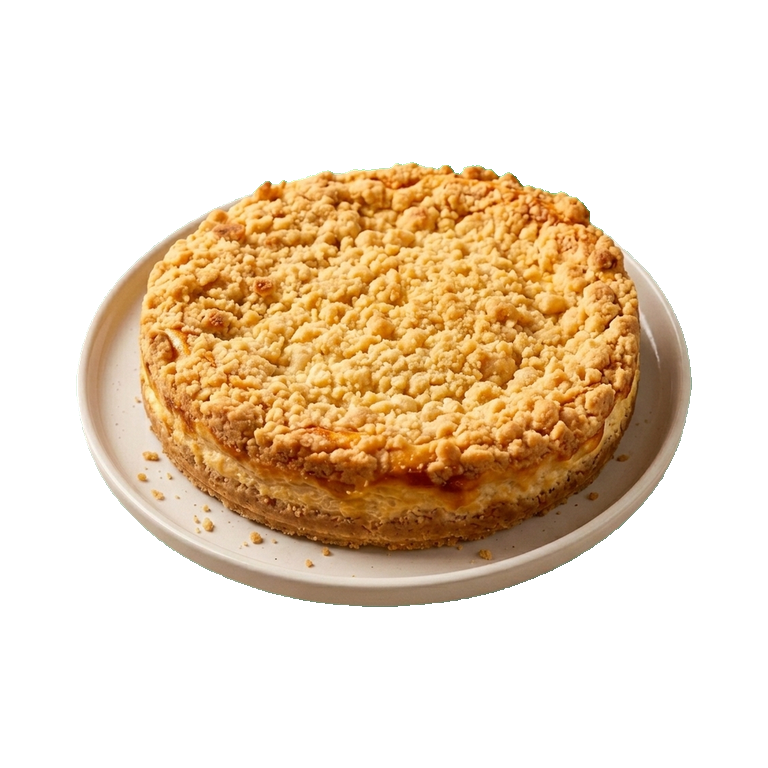
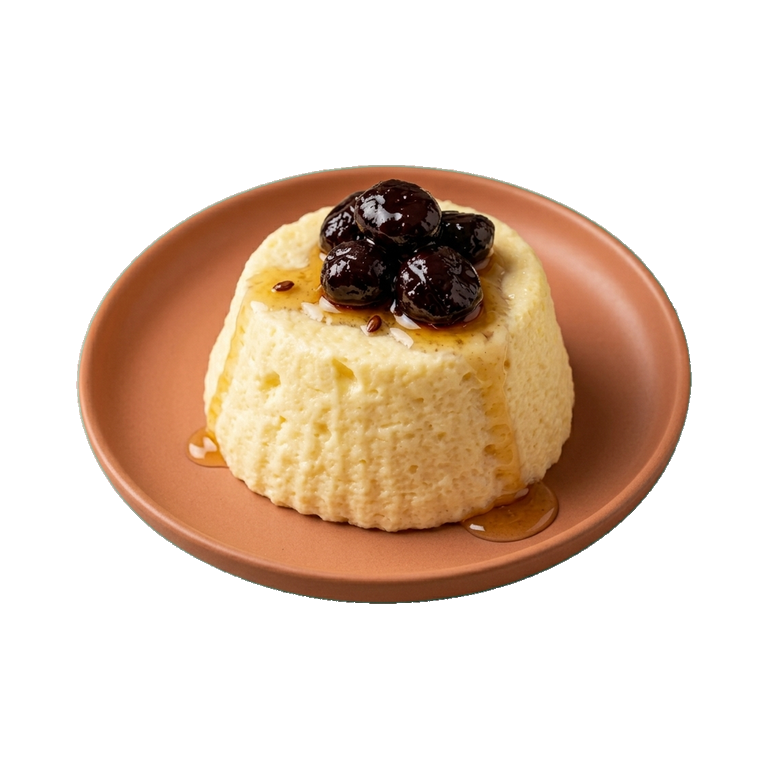
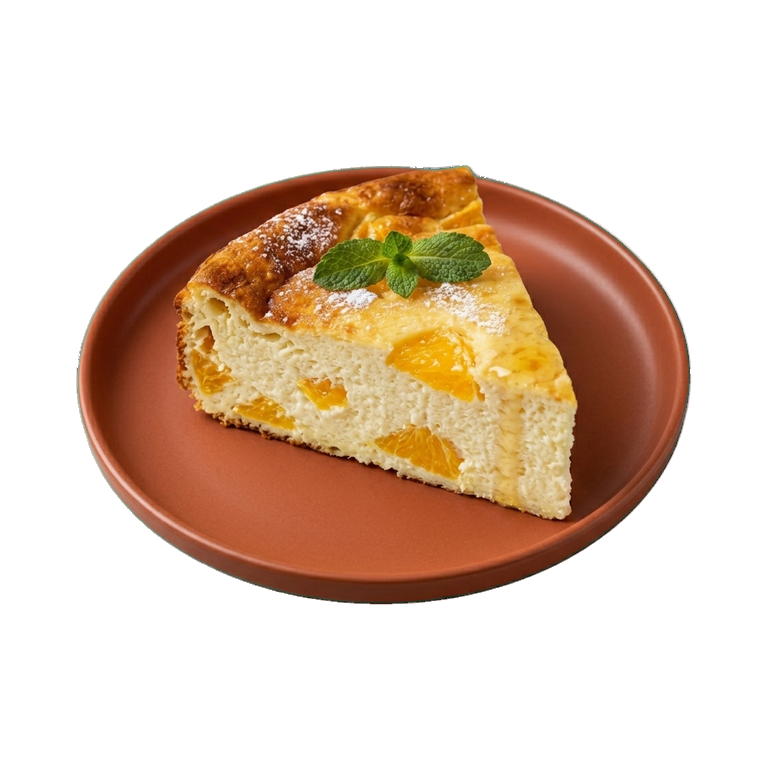
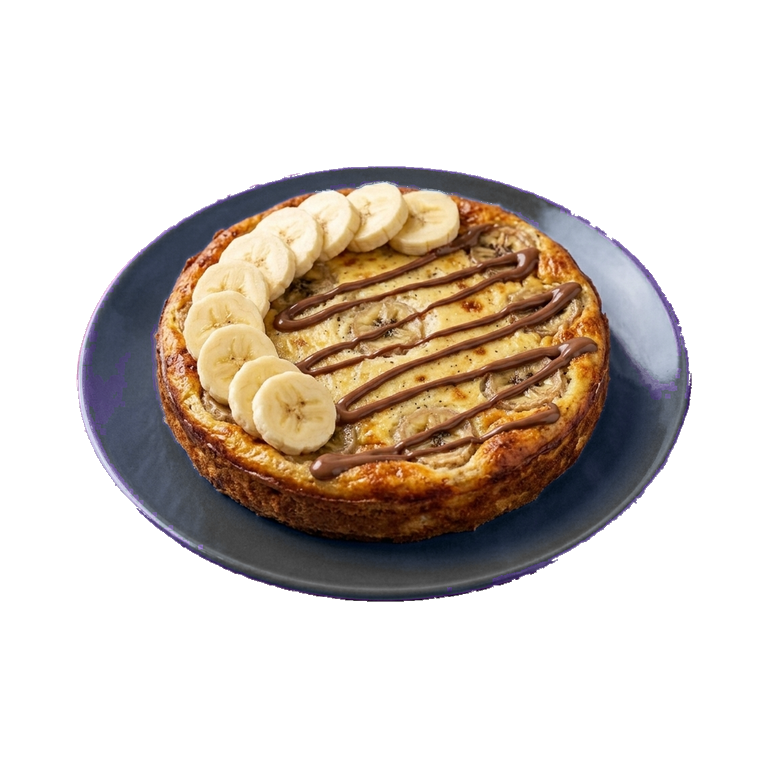
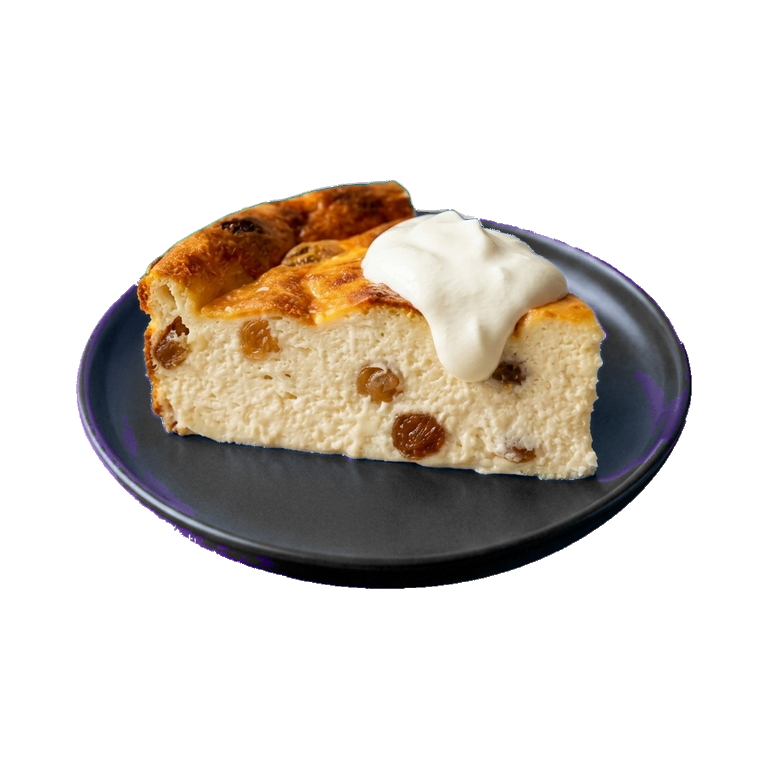
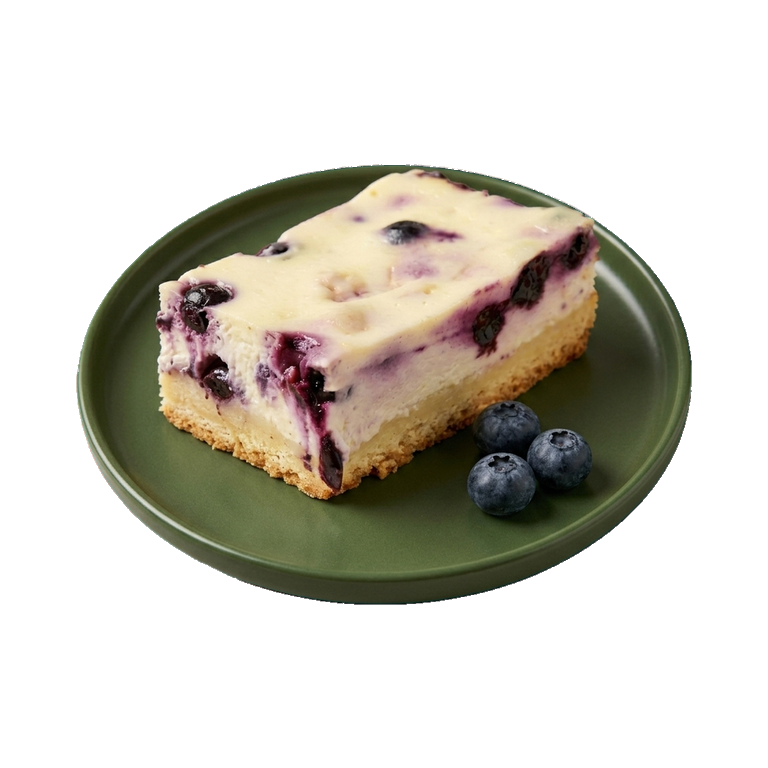
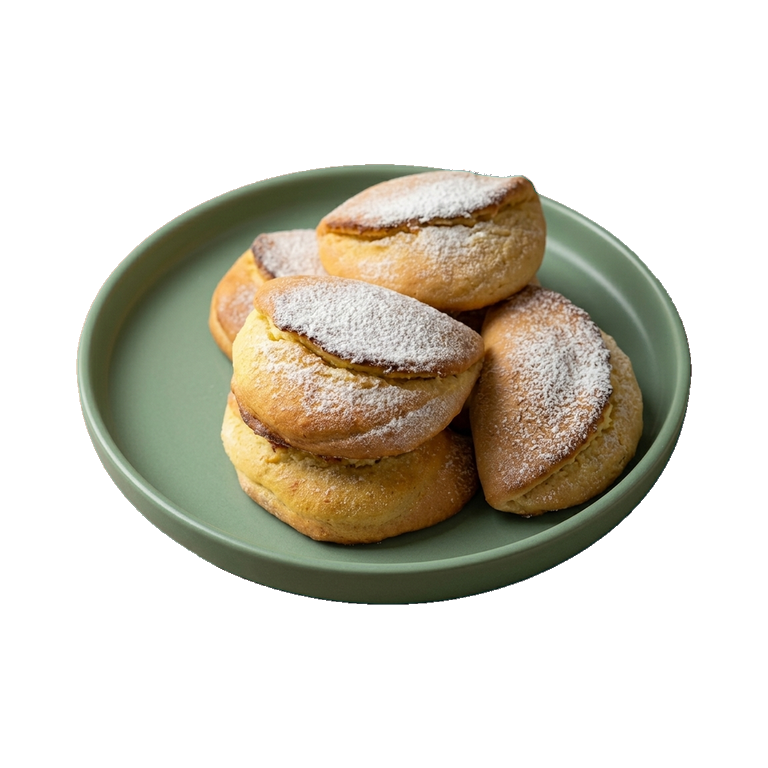
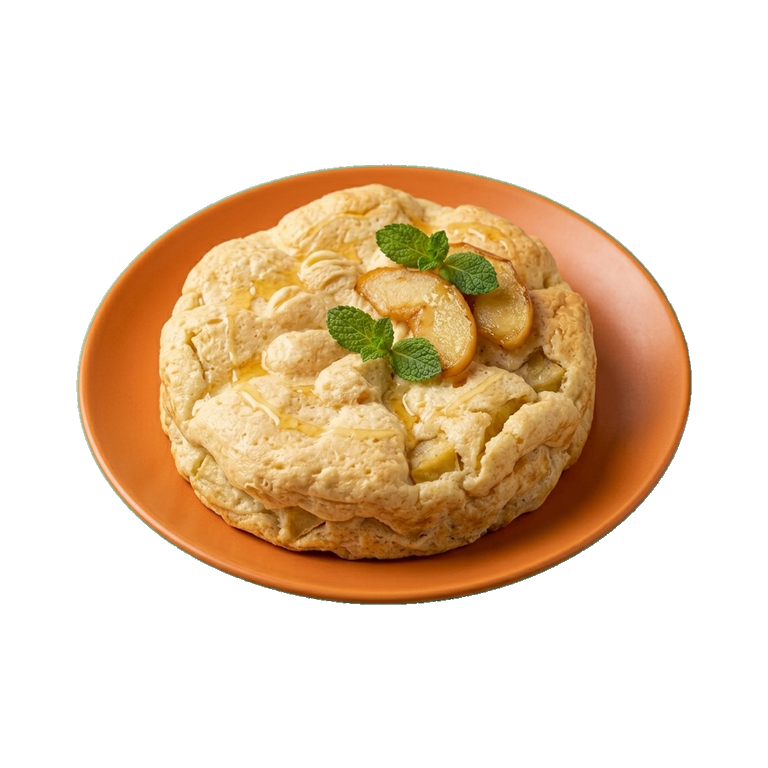
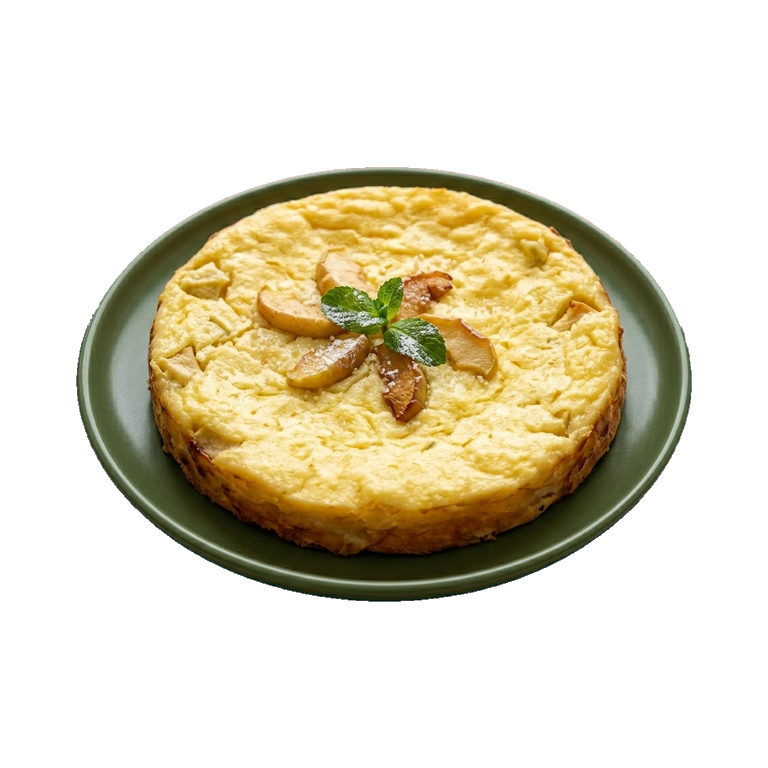
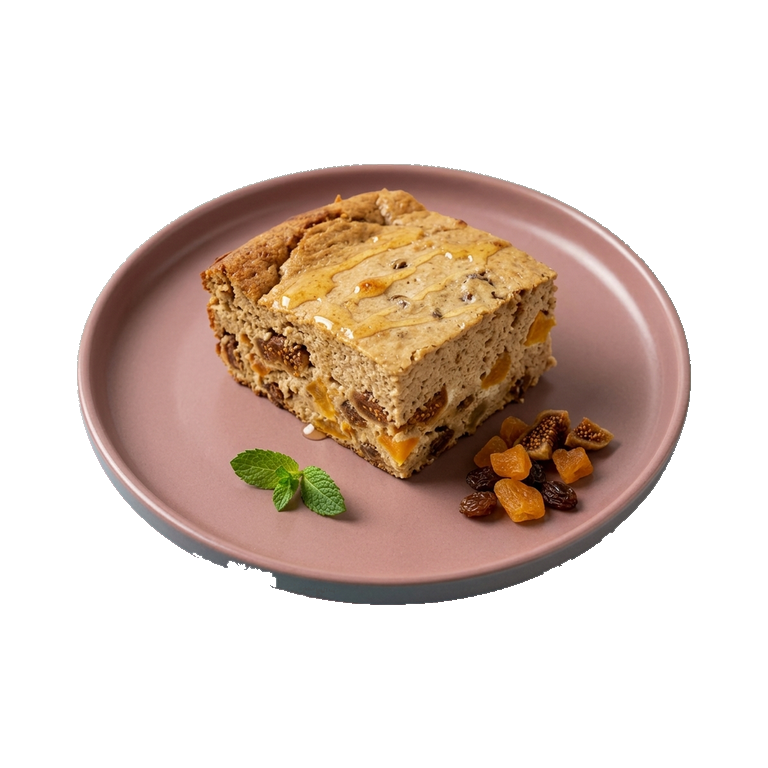
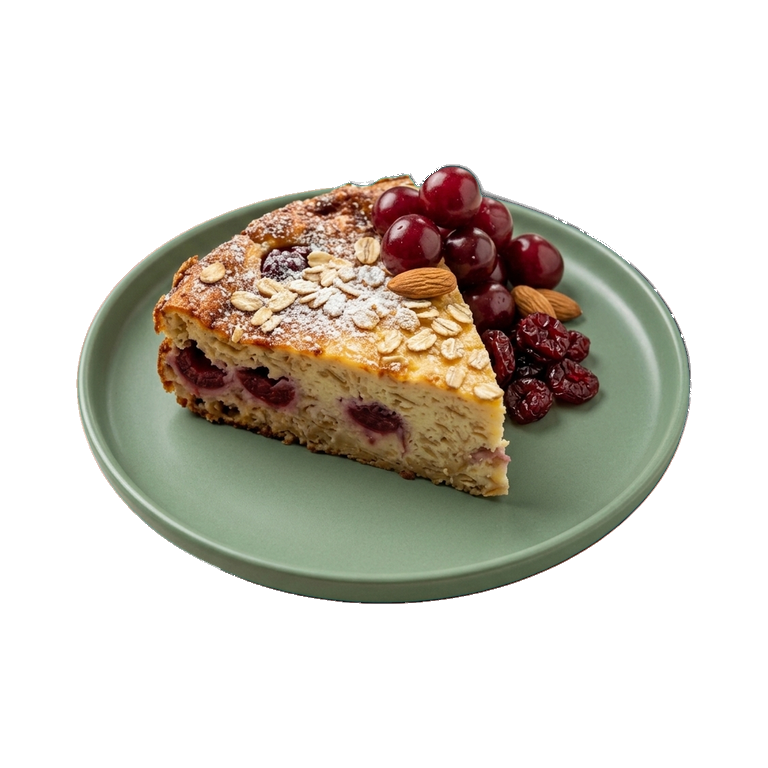
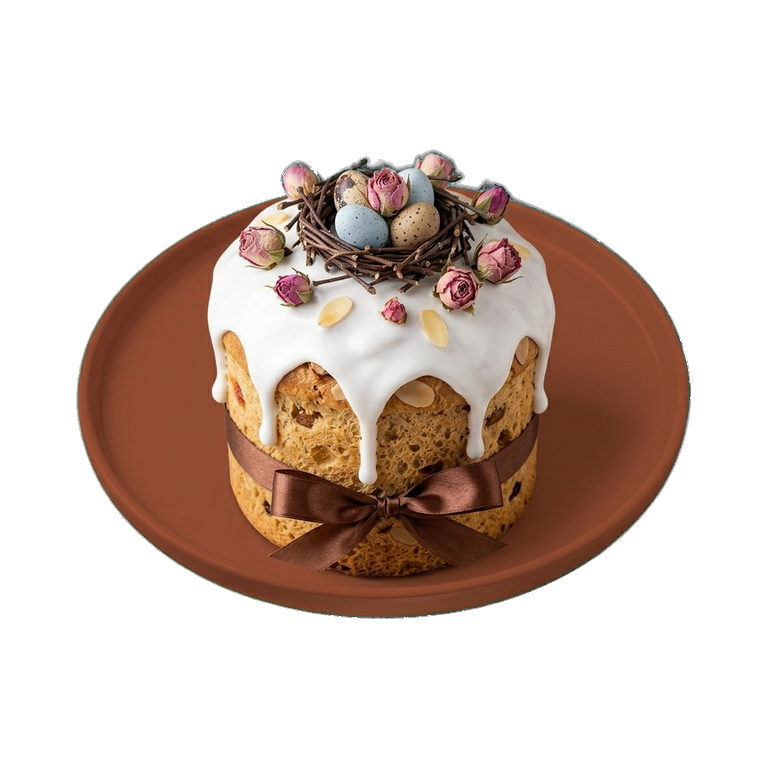
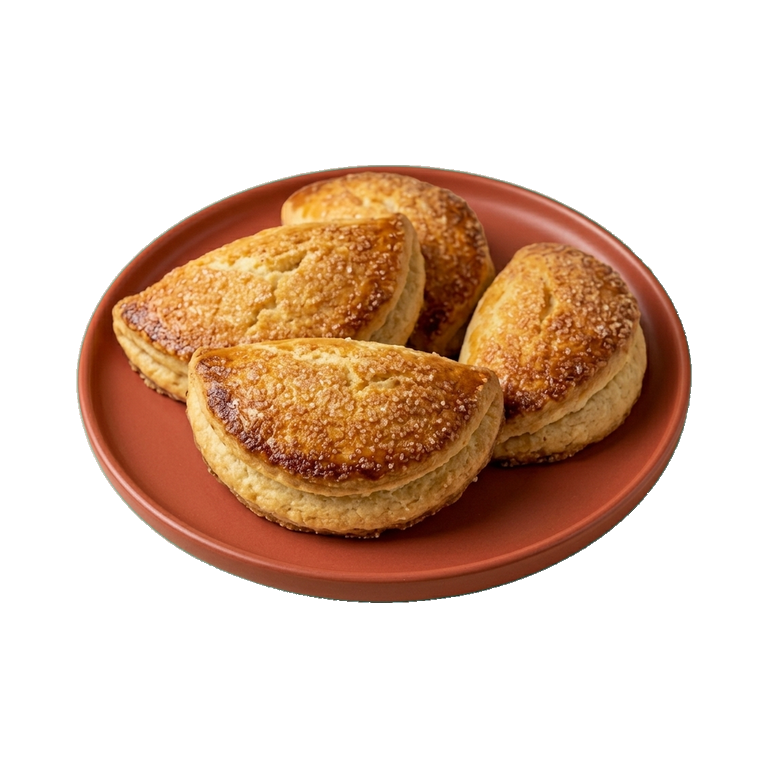
- In casseroles and muffins, cottage cheese provides moisture and binds the dough without requiring many eggs
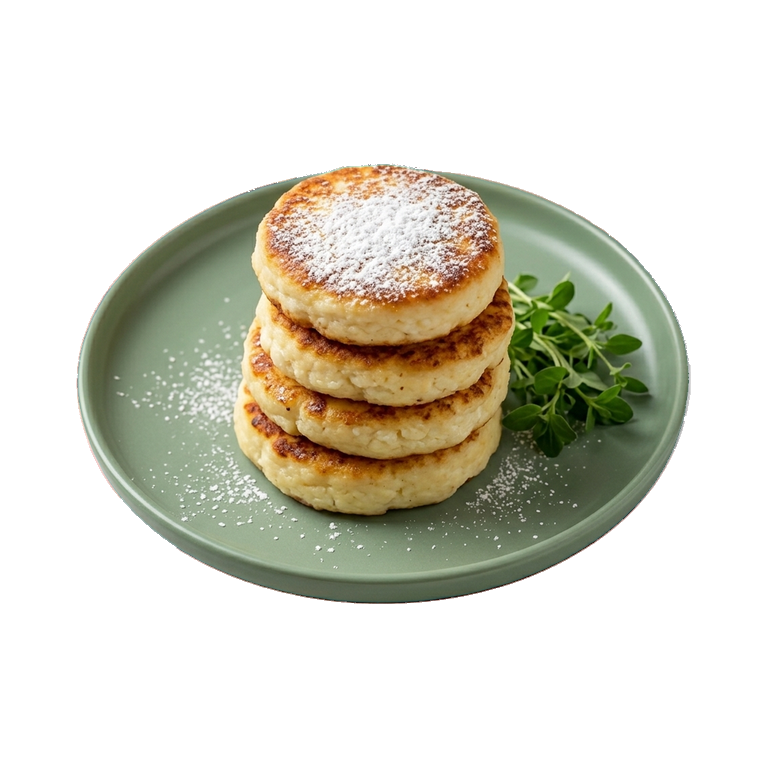
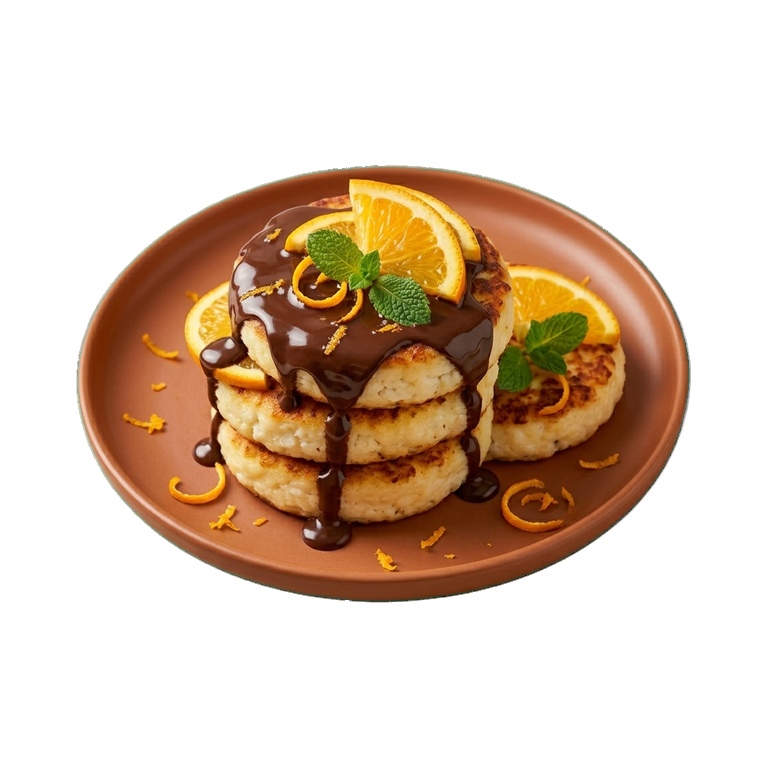
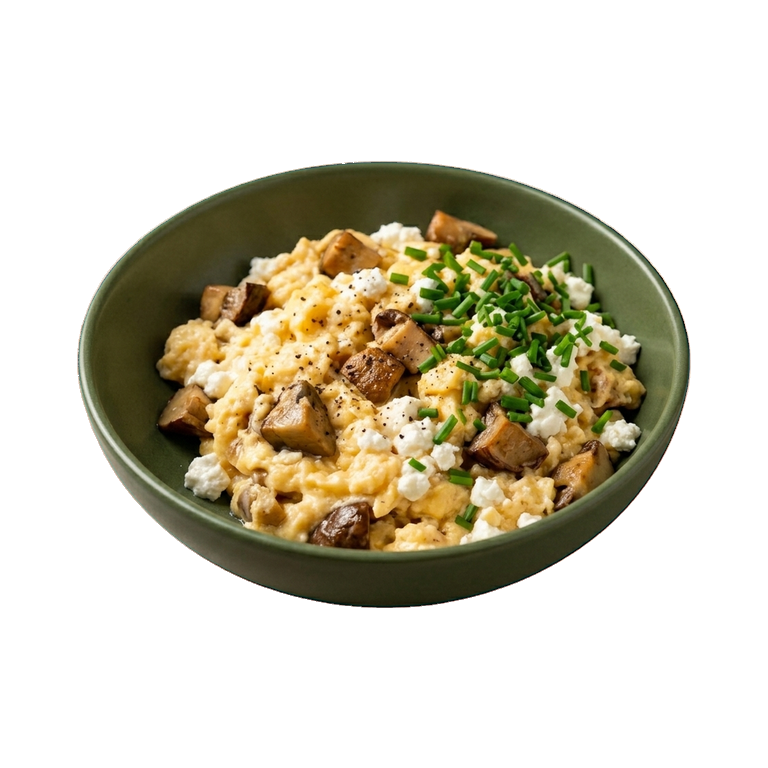
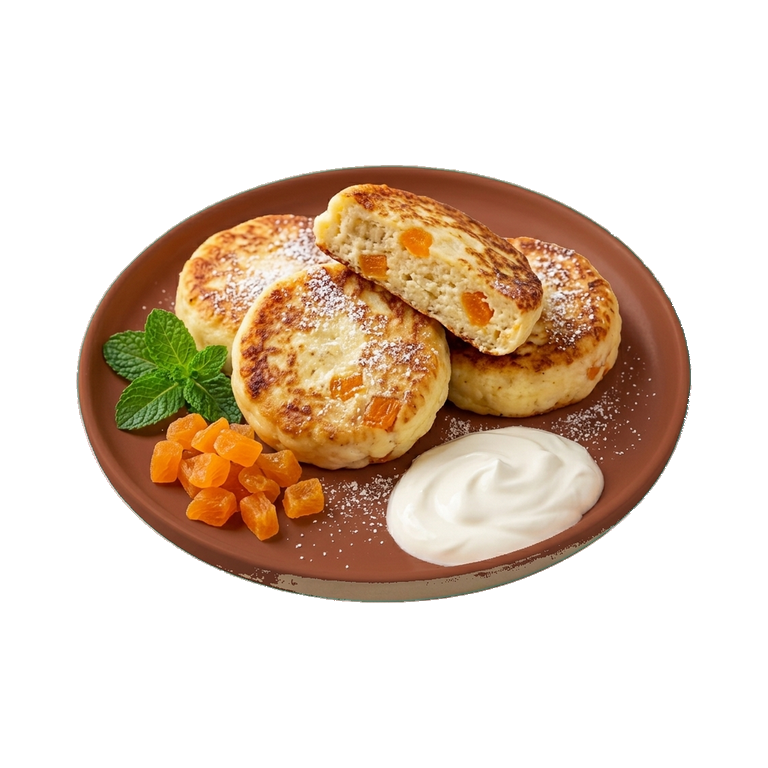
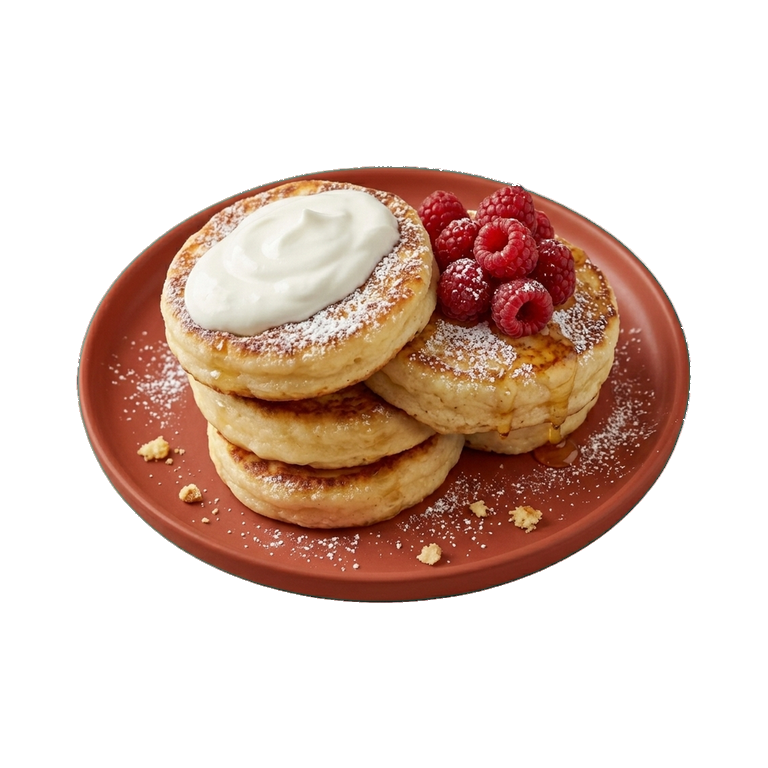
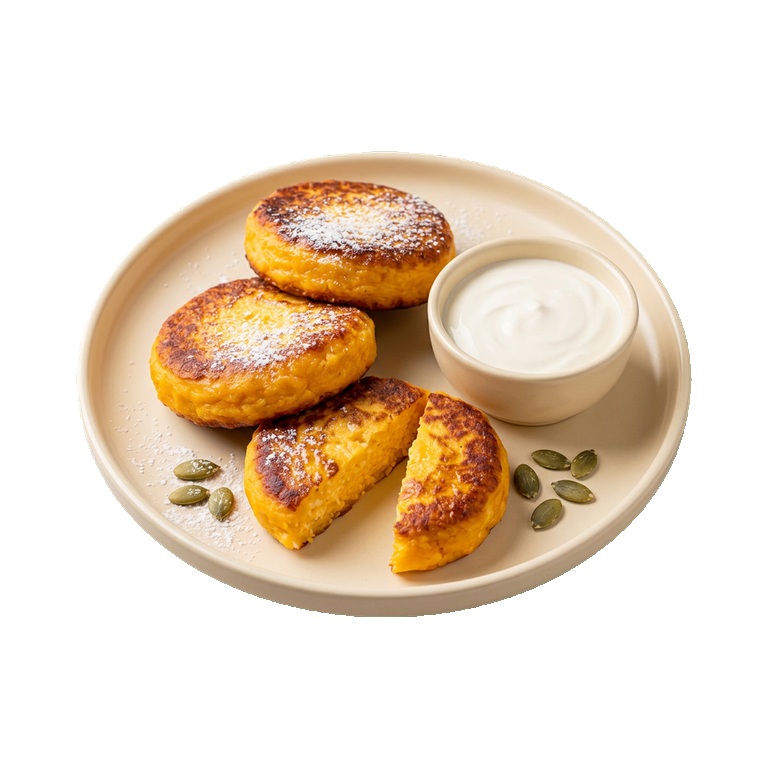
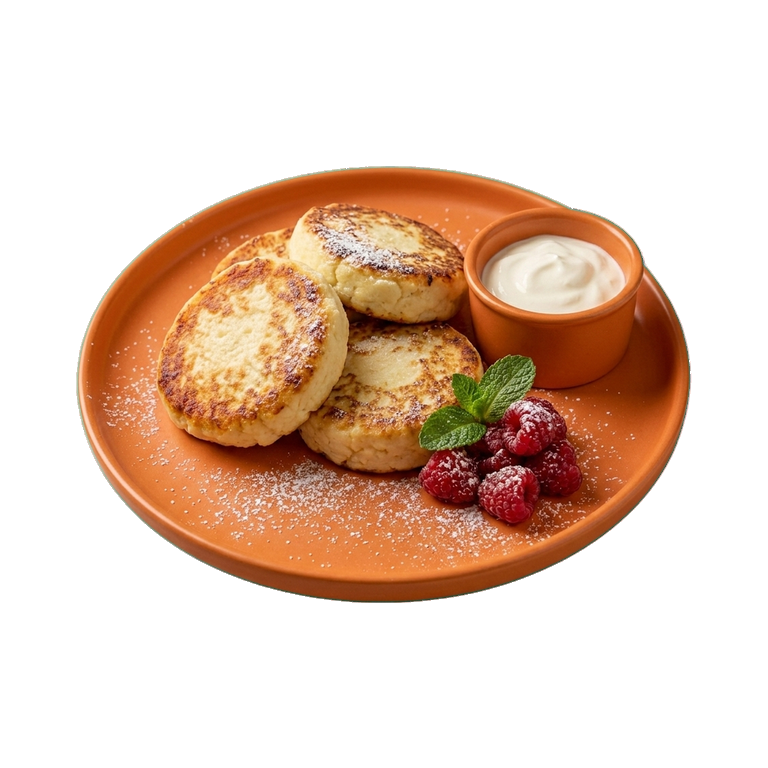
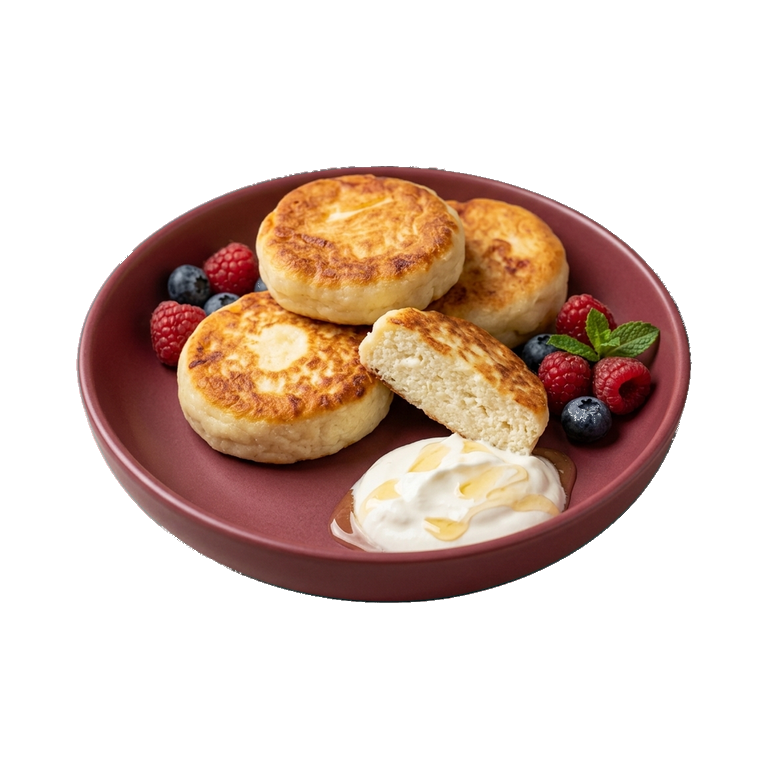
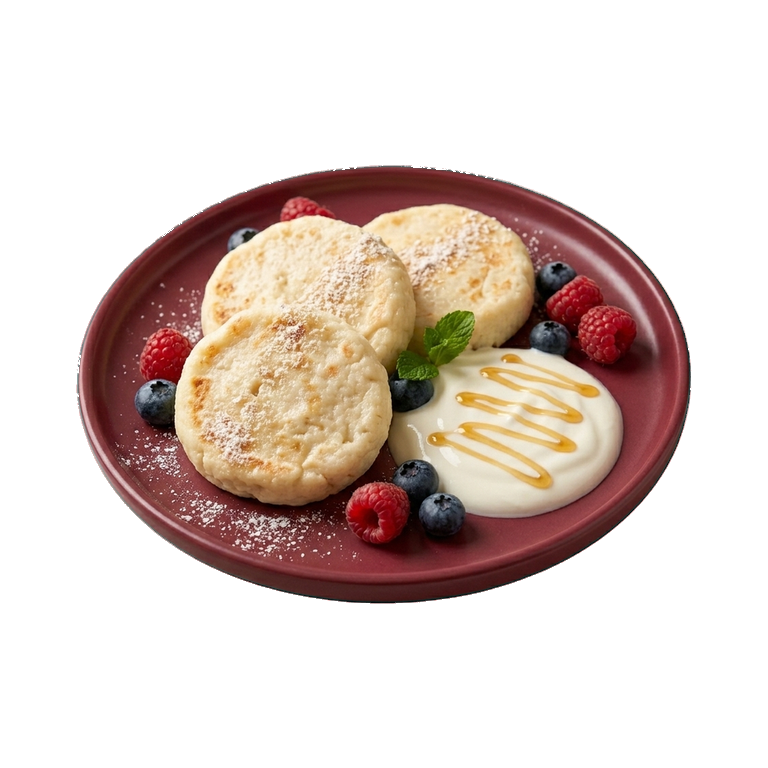
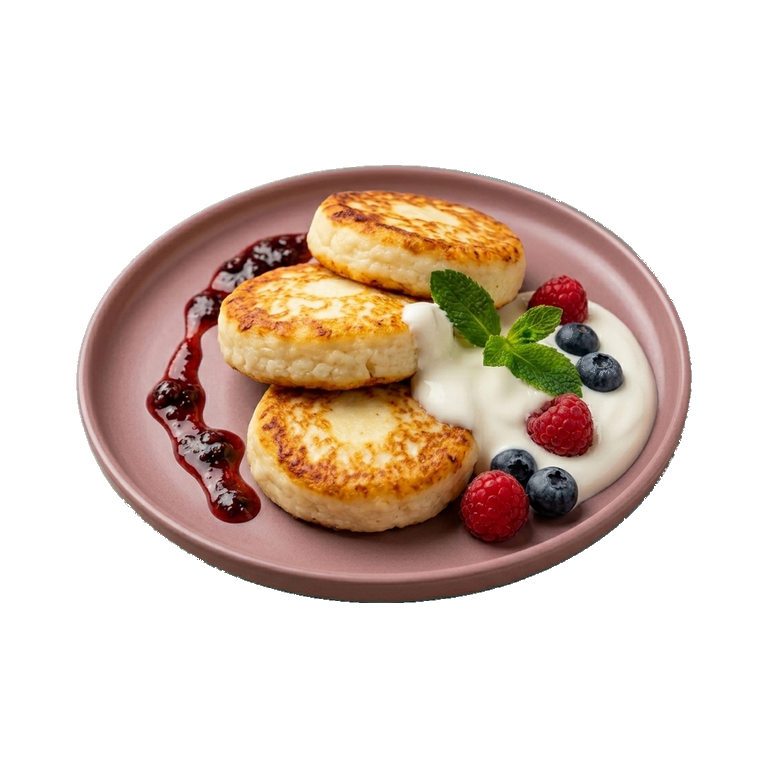
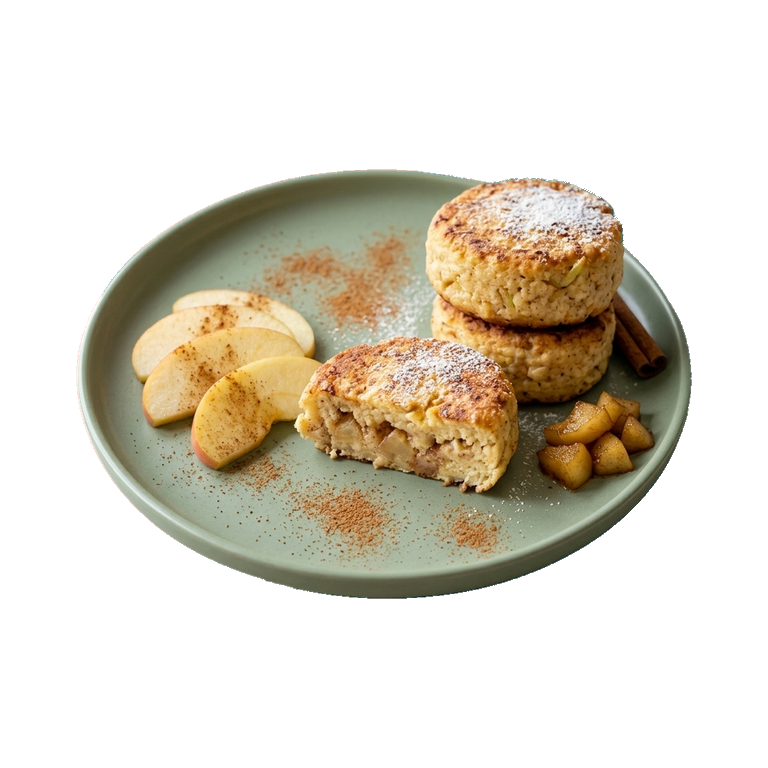
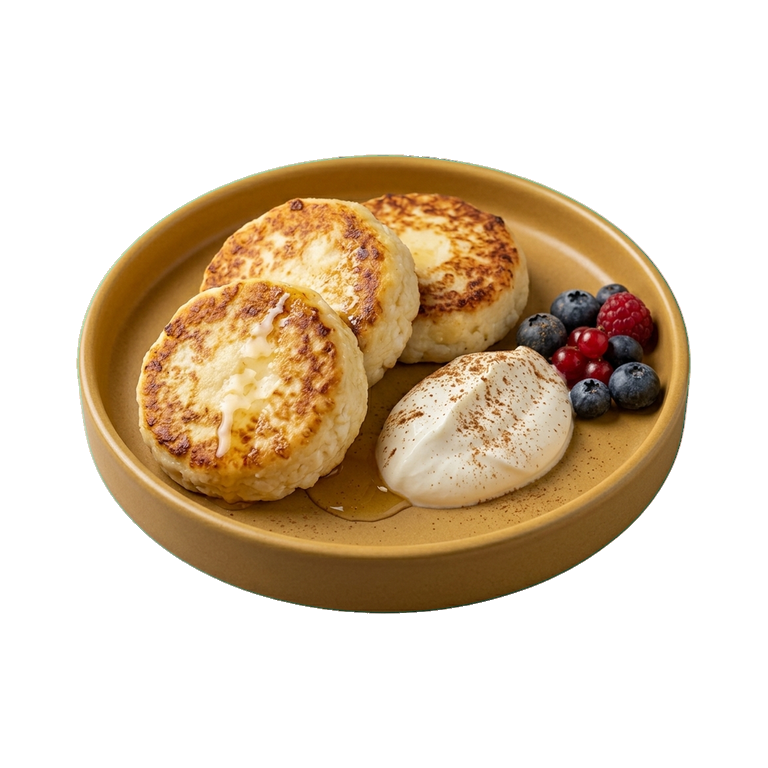
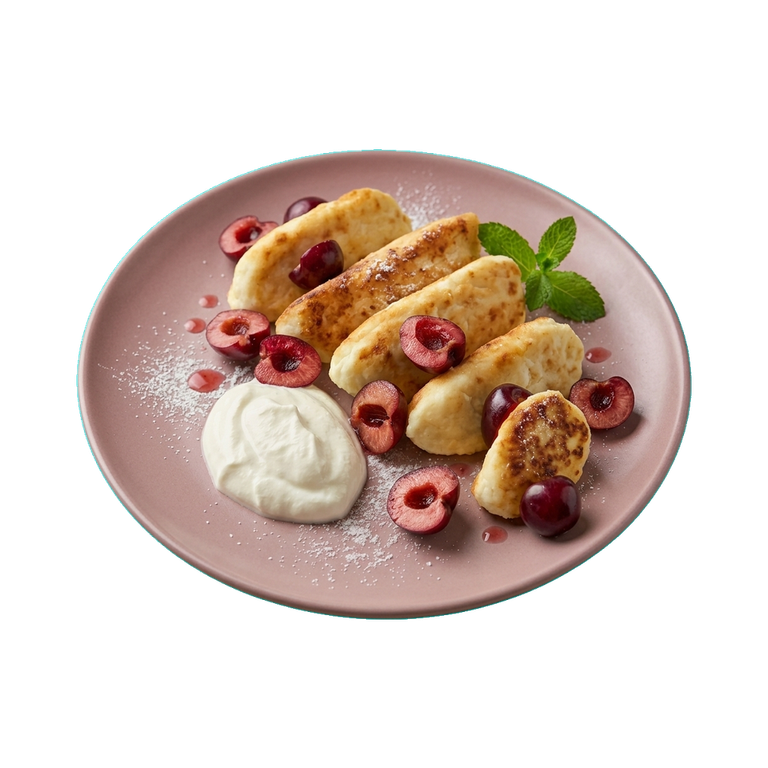
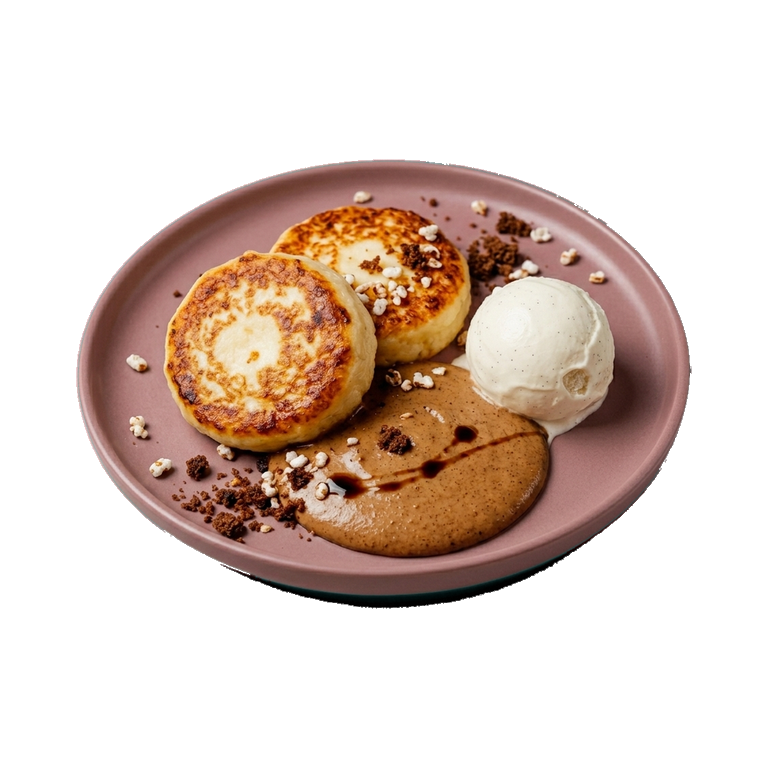
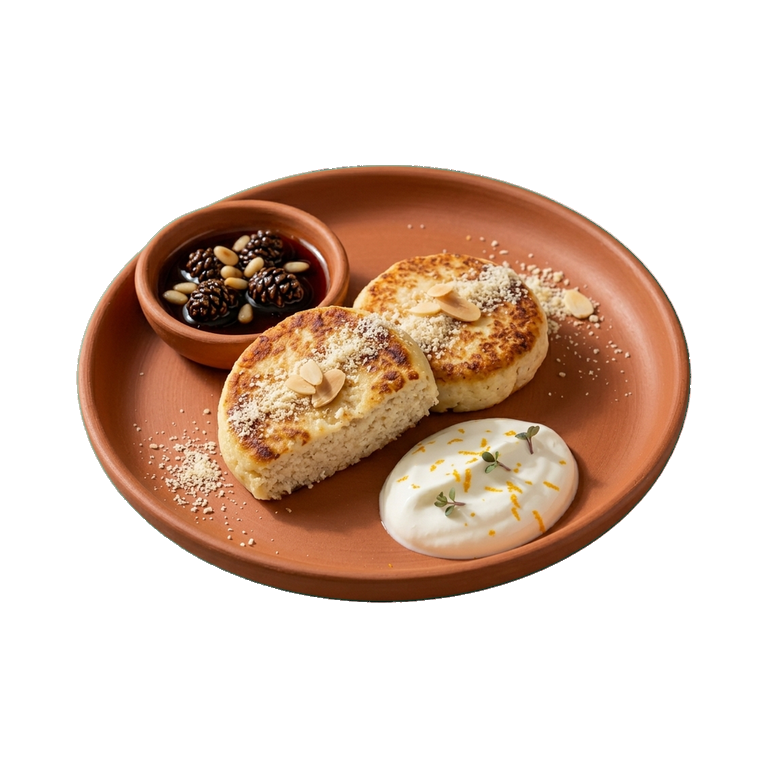
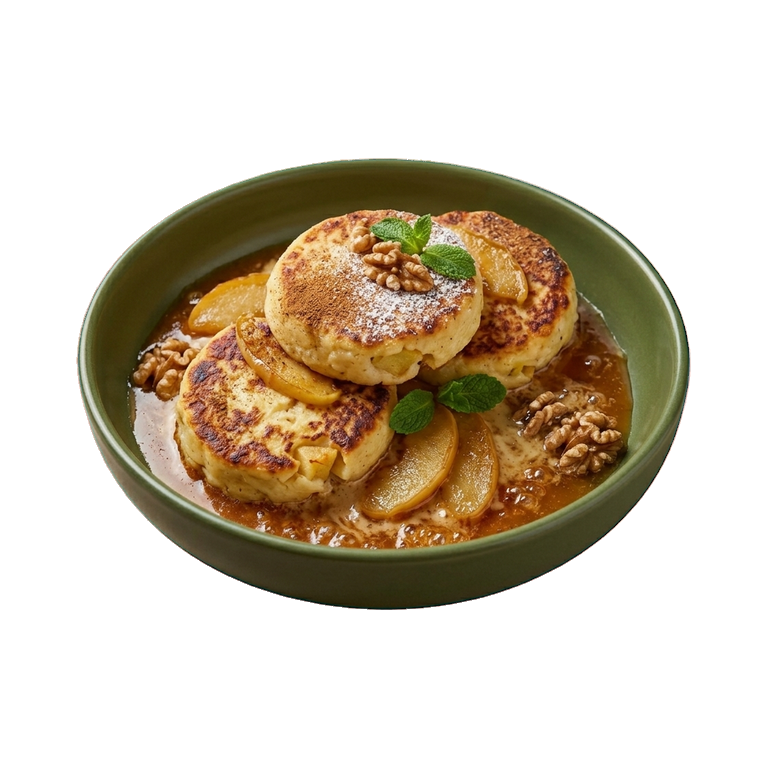
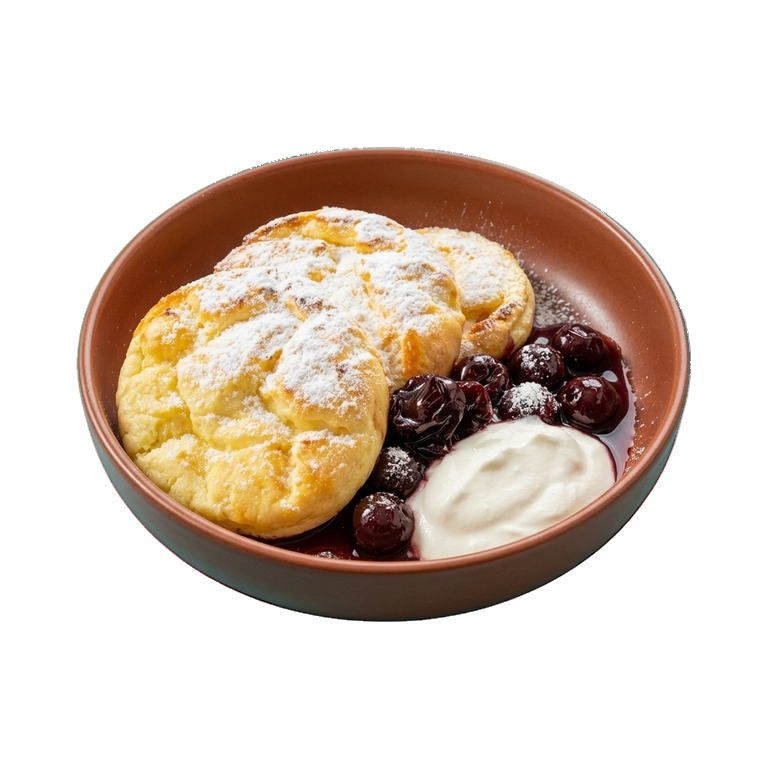
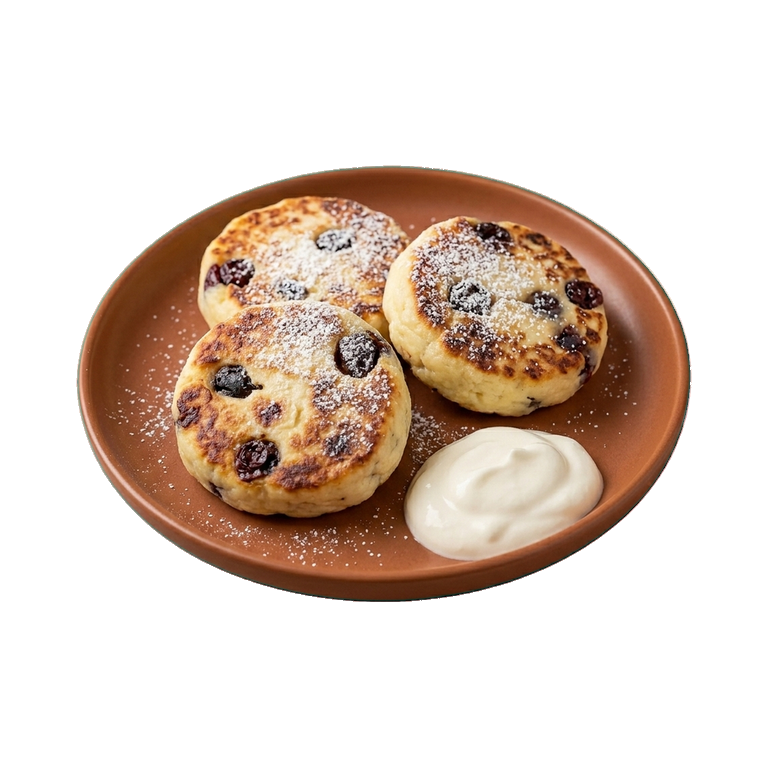
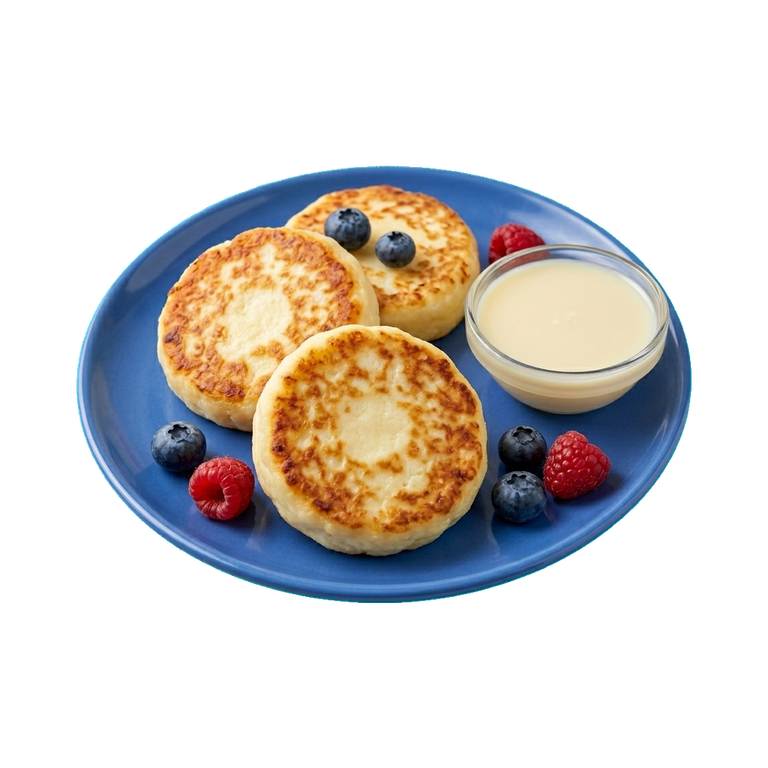
- In syrniki and cottage cheese pancakes — the main component that defines the taste and structure
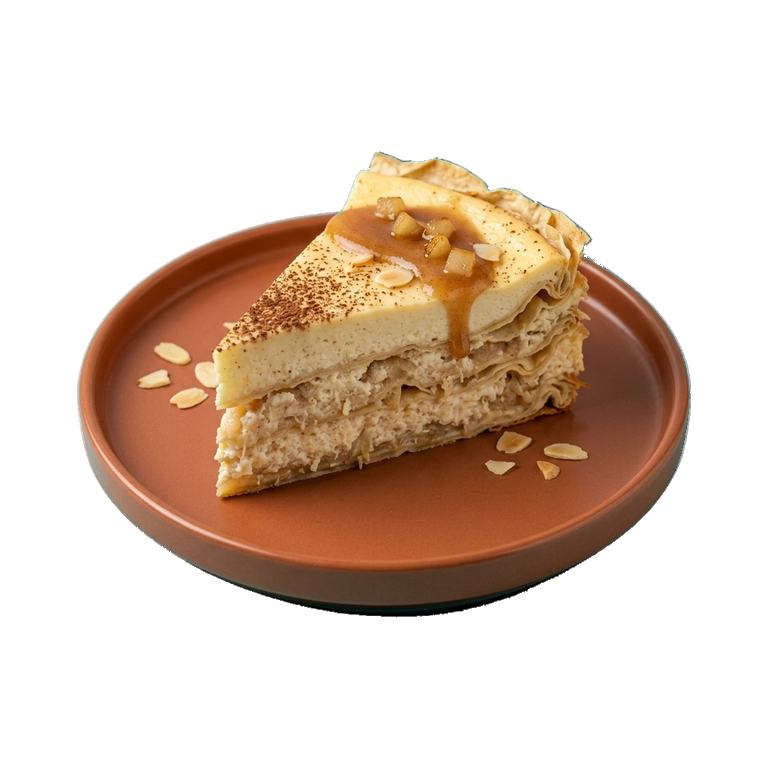
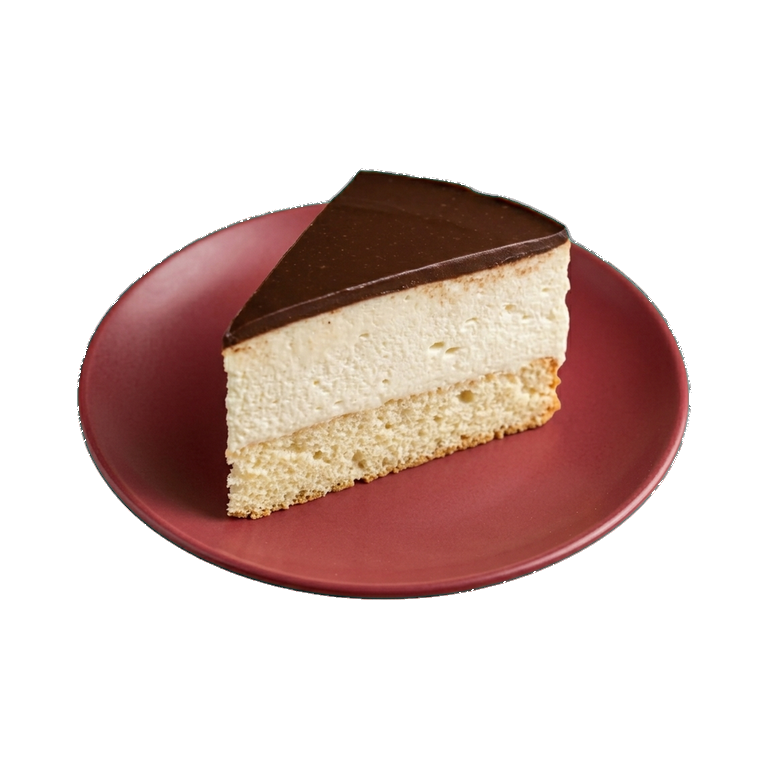
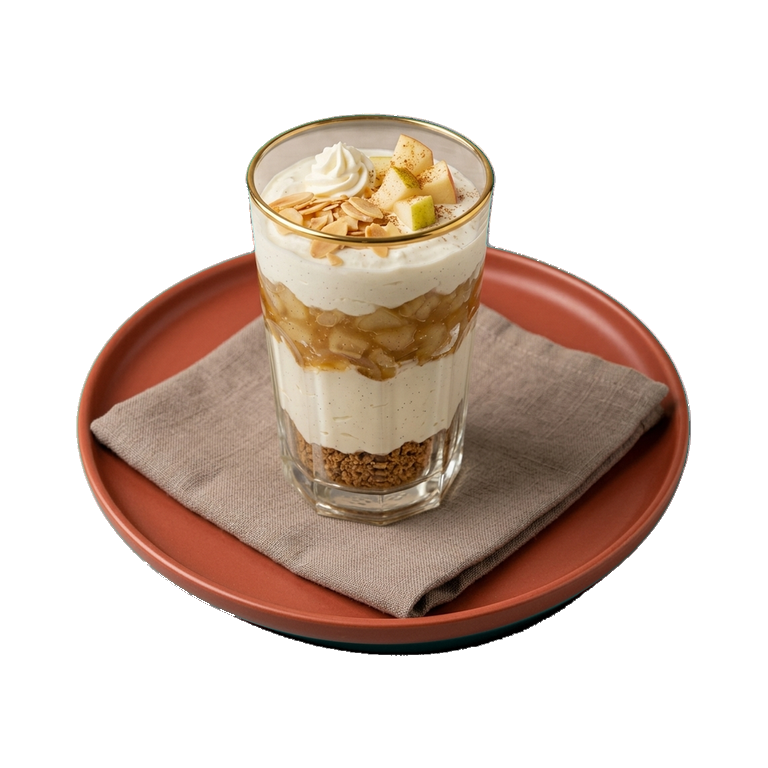
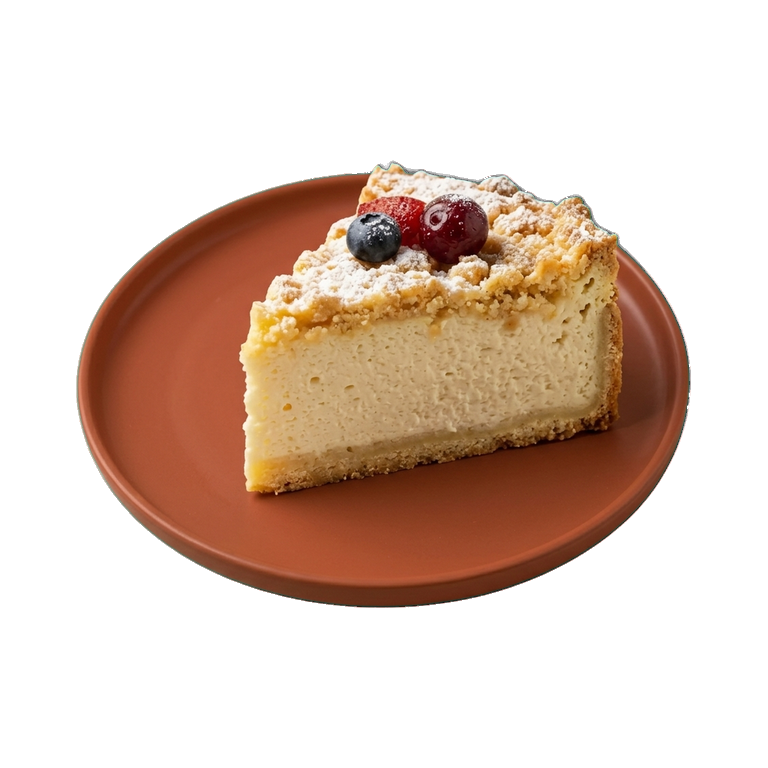
- In cheesecakes and mousses, cottage cheese is often mixed with cream cheese for the desired consistency
- In pasta and sauces, cottage cheese can be used instead of cream or sour cream for creaminess
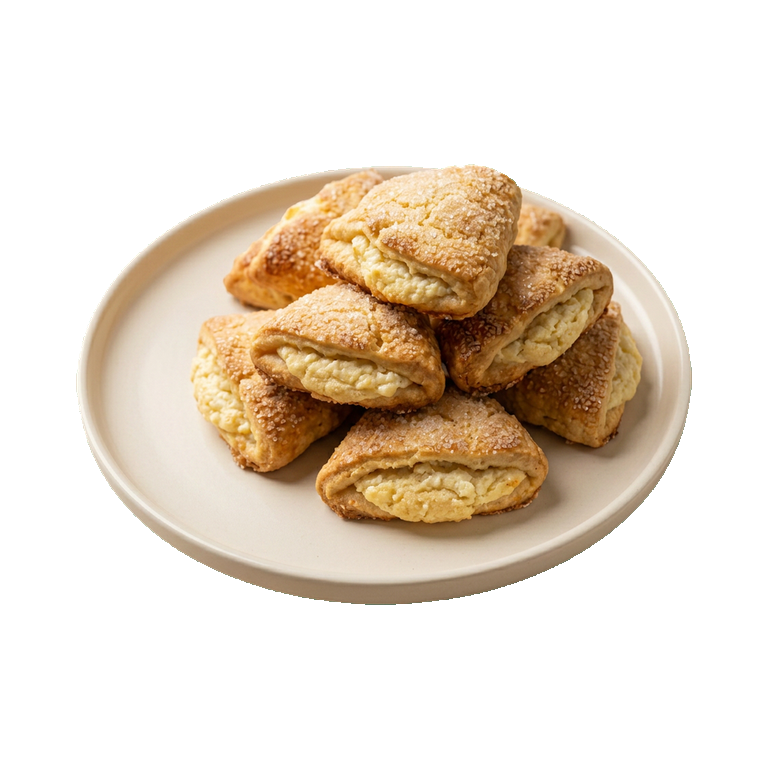
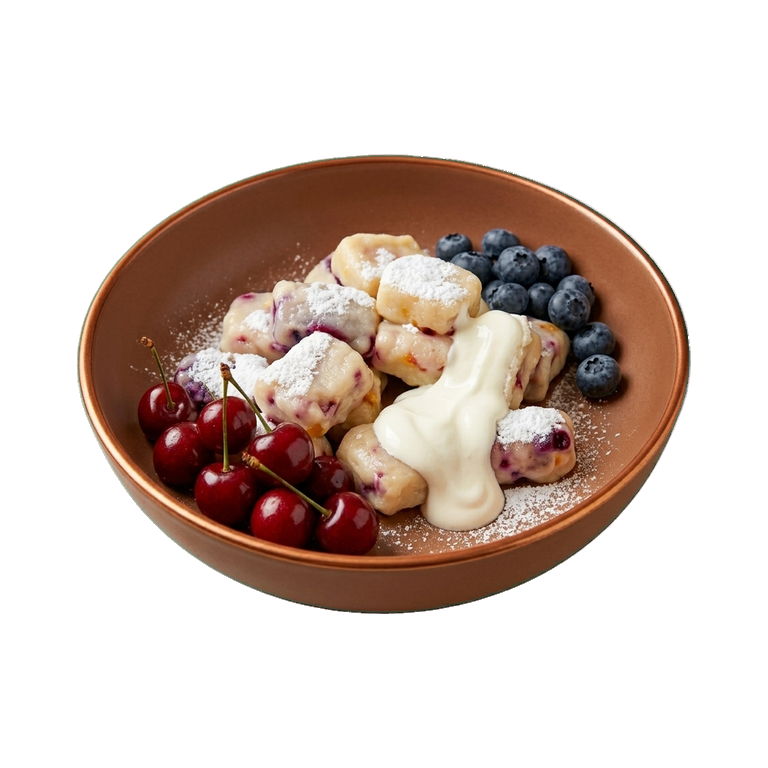
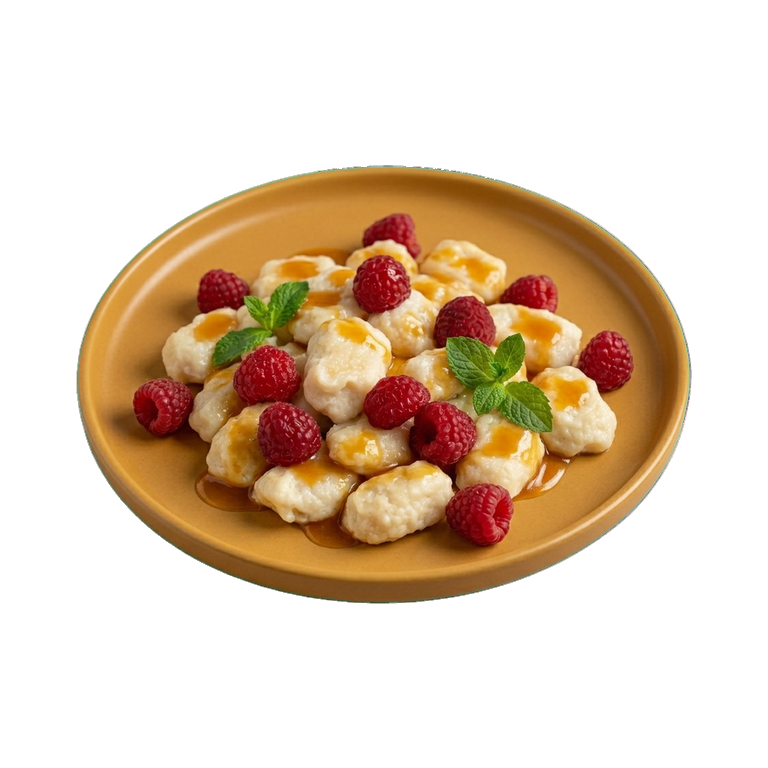
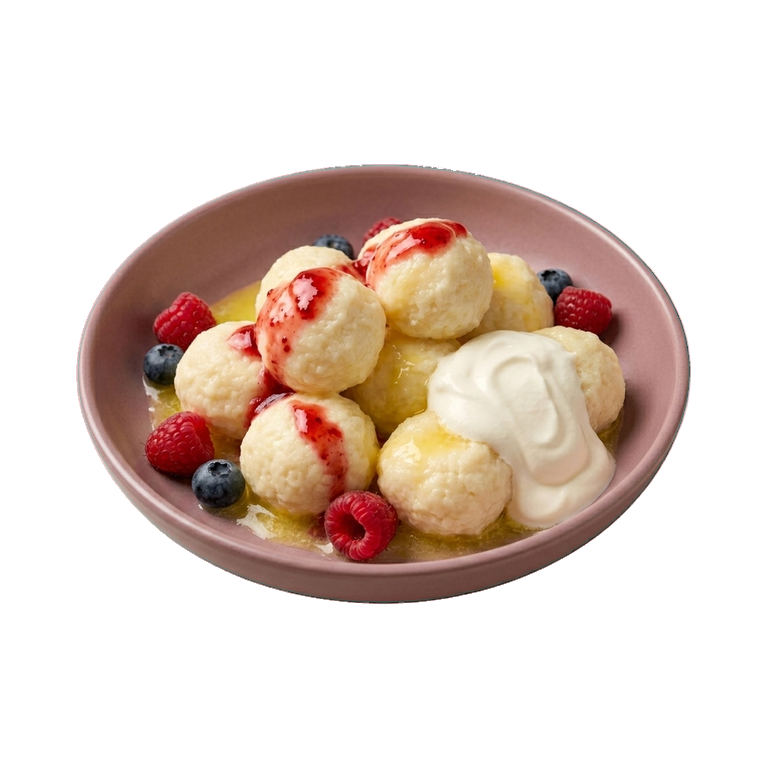
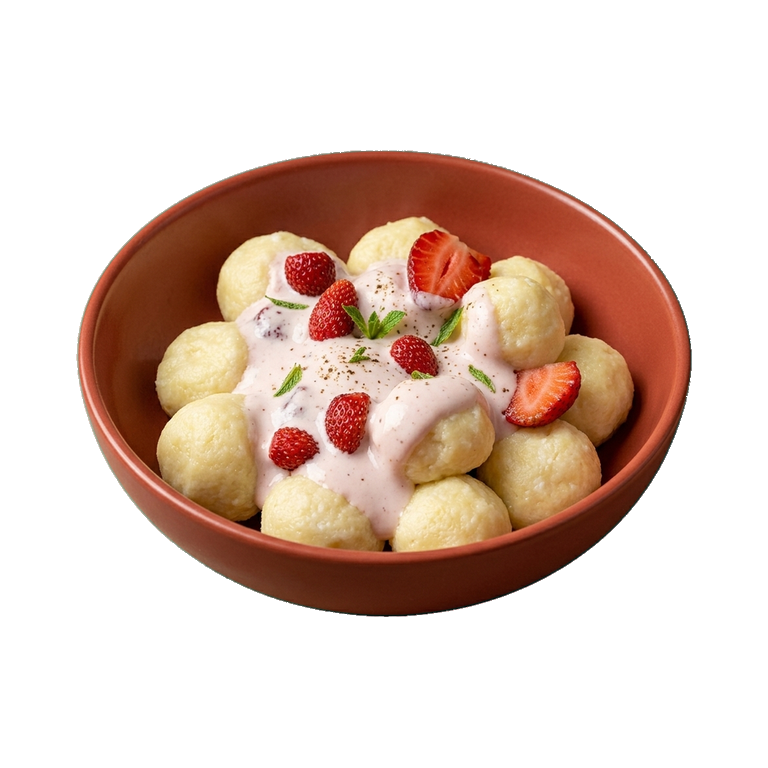
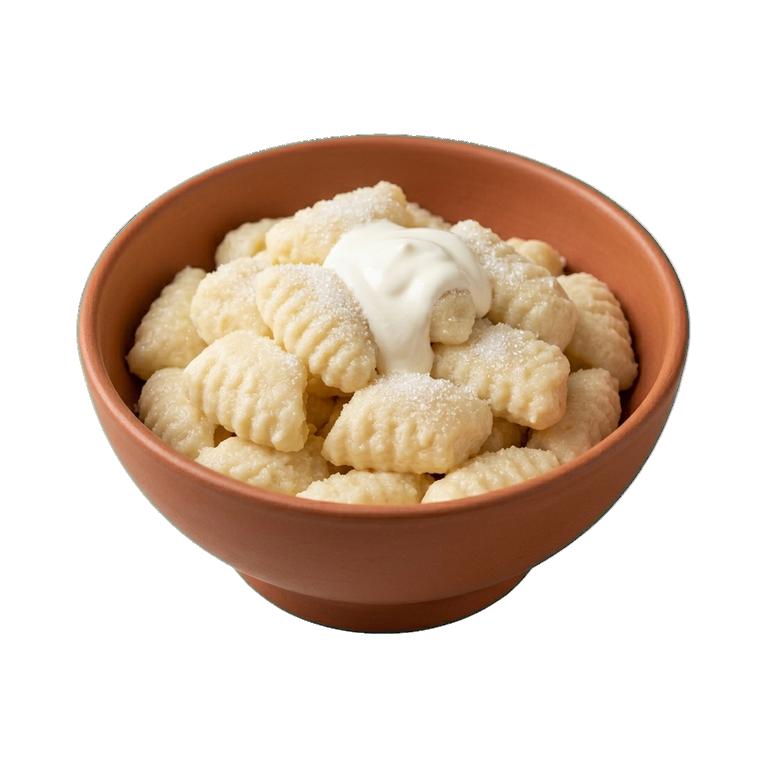
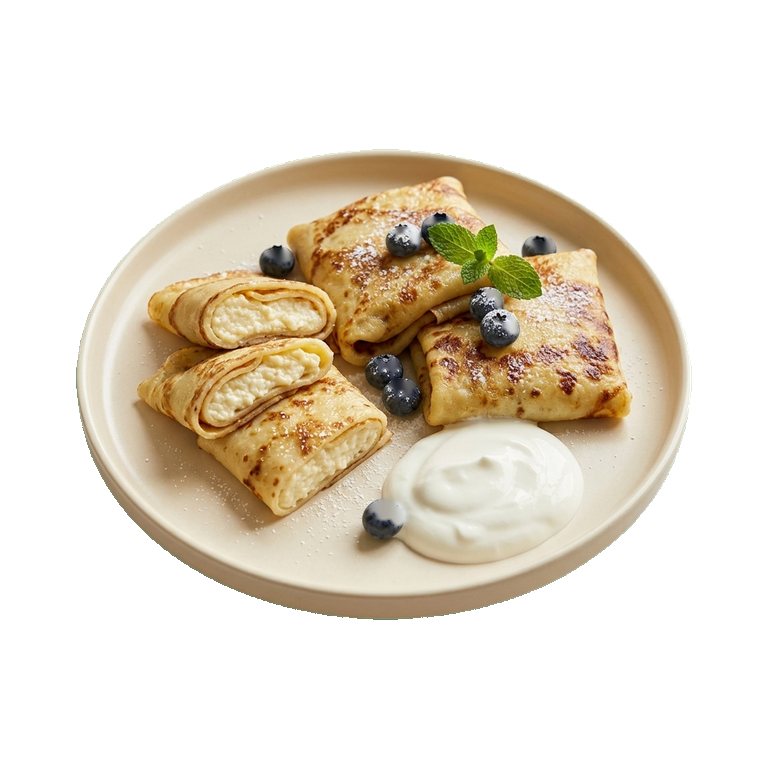
- In dumplings and varenyky, cottage cheese is a classic filling, often mixed with potatoes or berries
- In its raw form with berries, honey or nuts — a simple and satisfying breakfast
What works best with cottage cheese
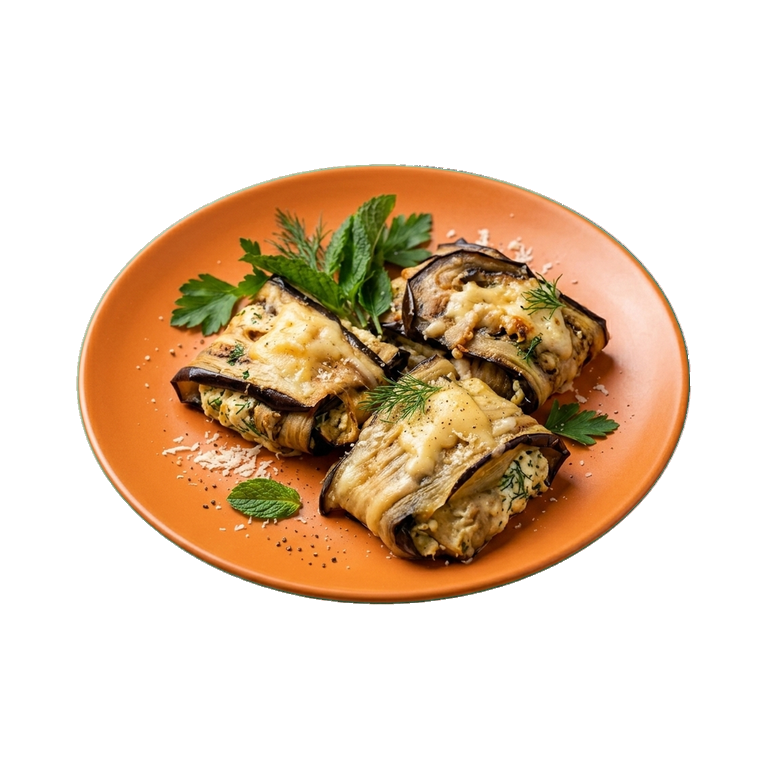
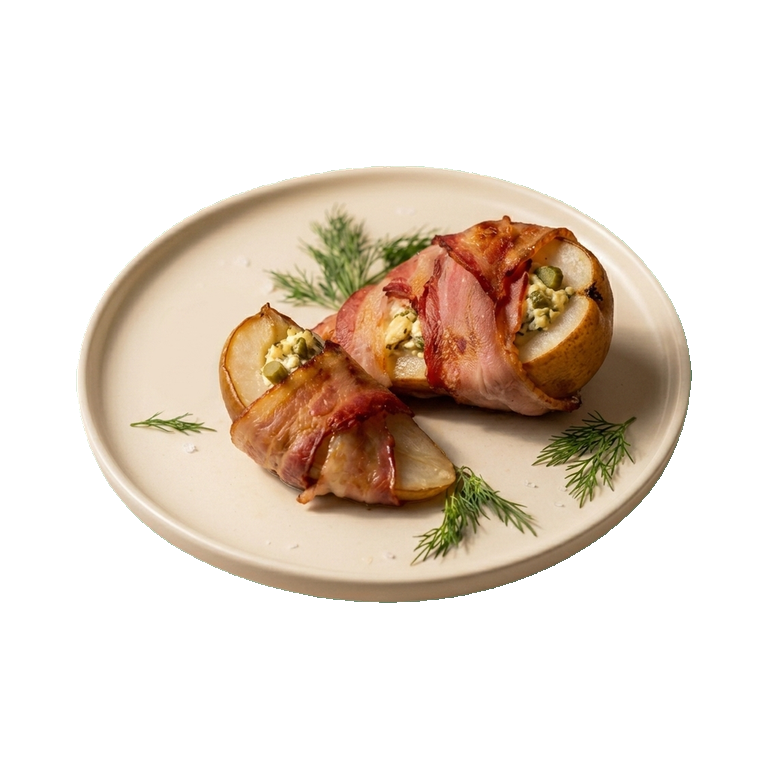
Cottage cheese pairs well with sweet flavors: with berries (strawberry, blueberry, raspberry), with honey, with cinnamon, with vanilla. In sweet dishes, it's often combined with condensed milk or sugar. On the savory side, it works well with herbs (dill, parsley, green onions), with garlic, with black pepper. Cottage cheese holds its shape well alongside acidity — with lemon, sour cream, yogurt.
How to Choose and Store
When choosing, pay attention to the release date and expiration date — cottage cheese is a perishable product. The consistency should be uniform, without lumps or separation. The smell should be milky, without sour or musty notes. If cottage cheese is liquid and watery, this is a sign of violation of technology or storage conditions.
Store cottage cheese in the coldest part of the refrigerator (usually on the shelf above the freezer), in an airtight container or package. Storage time ranges from 3 to 7 days depending on the fat content and manufacturer. Cottage cheese can be frozen, but the texture will become more crumbly after thawing — this is normal for casseroles and baked goods, but not suitable for raw dishes.
Practical Tips
- If the cottage cheese seems too dry, add a little sour cream or milk when mixing
- For a smooth mousse or cheesecake, press the cottage cheese through a sieve or blend it with a blender
- Before using in baking, it's better to take the cottage cheese out of the refrigerator 20–30 minutes before use to make it softer
- If you need a denser consistency, wrap the cottage cheese in cheesecloth and hang it over a bowl for a few hours — the whey will drain
Nutrition
per 100 g
- Calories
- 100 kcal
- Protein
- 16 g
- Fat
- 5 g
- Carbs
- 3 g
Micronutrients
per 100 g
Macronutrients
- Fiber
- 0.6 g
- Sugars
- 2.6 g
- Saturated fat
- 0.64 g
- Monounsaturated fat
- 0.29 g
- Polyunsaturated fat
- 0.03 g
- Omega-3 (EPA + DHA)
- 0 g
- Cholesterol
- 4 mg
- Water
- 82.5 g
Minerals
- Sodium
- 220 mg
- Potassium
- 86 mg
- Calcium
- 53 mg
- Magnesium
- 5 mg
- Phosphorus
- 134 mg
- Iron
- 0.14 mg
- Zinc
- 0.38 mg
- Copper
- 0.03 mg
- Selenium
- 9 mcg
Vitamins
- Vitamin A (RAE)
- 11 mcg
- Vitamin D
- 0 mcg
- Vitamin E
- 0.01 mg
- Vitamin K
- 0.1 mcg
- Vitamin C
- 0 mg
- Vitamin B1 (thiamin)
- 0.02 mg
- Vitamin B2 (riboflavin)
- 0.16 mg
- Vitamin B3 (niacin)
- 0.13 mg
- Vitamin B6
- 0.07 mg
- Vitamin B9 (folate, DFE)
- 12 mcg
- Vitamin B12
- 0.6 mcg
Measures and weight
- 1 tbsp
- 13.5 g
- 1 tsp
- 4.5 g
- 1 cup
- 225 g
- 1 can
- 200 g
Measure calculator
- Weight
- 100 g
- Calories
- 100 kcal