Usuba
Usuba
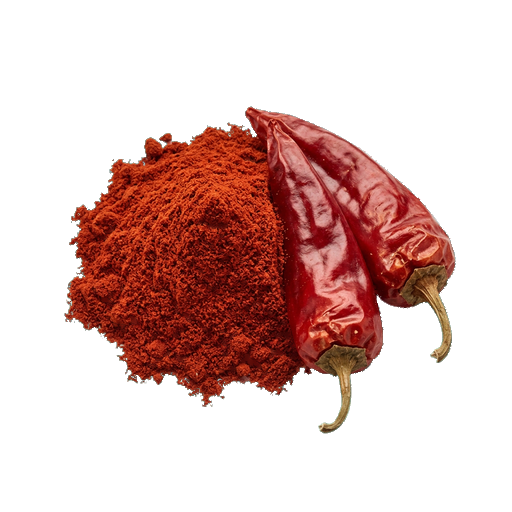
Paprika
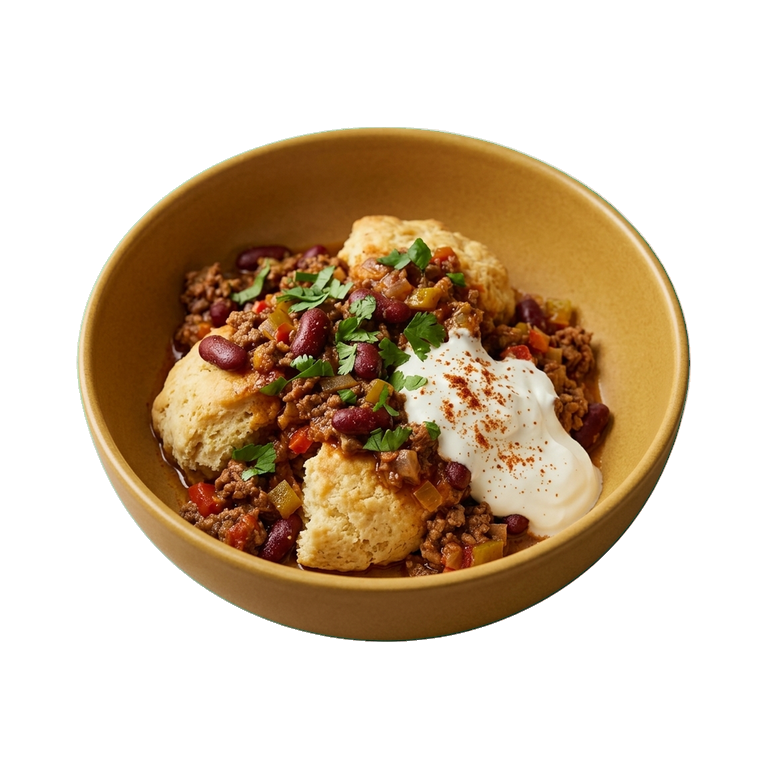
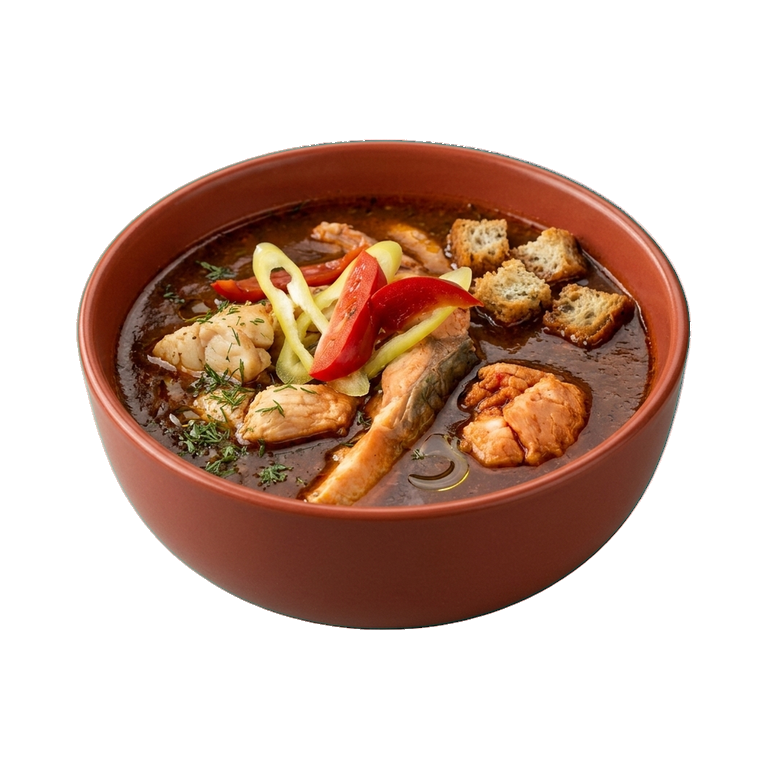
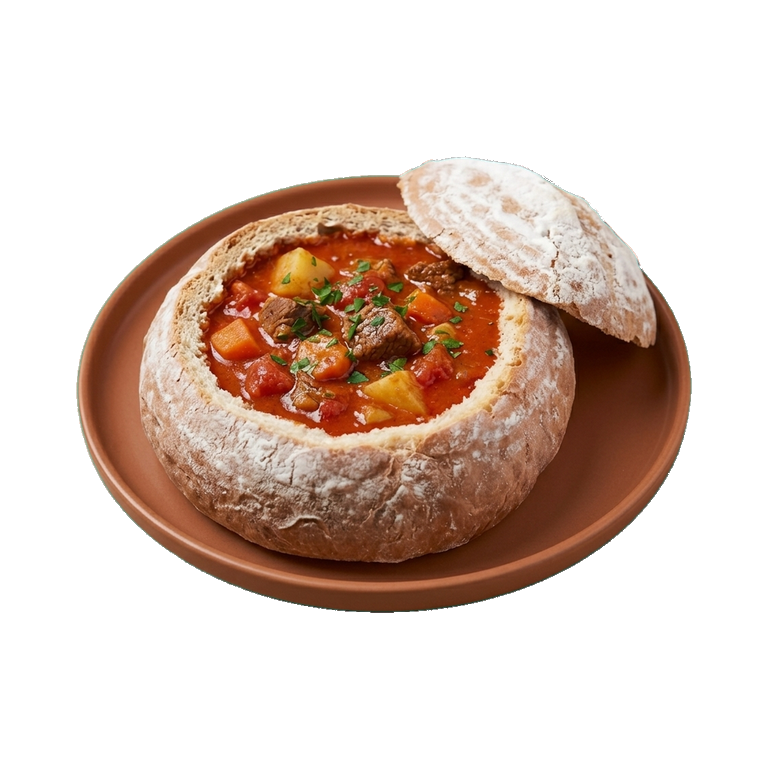
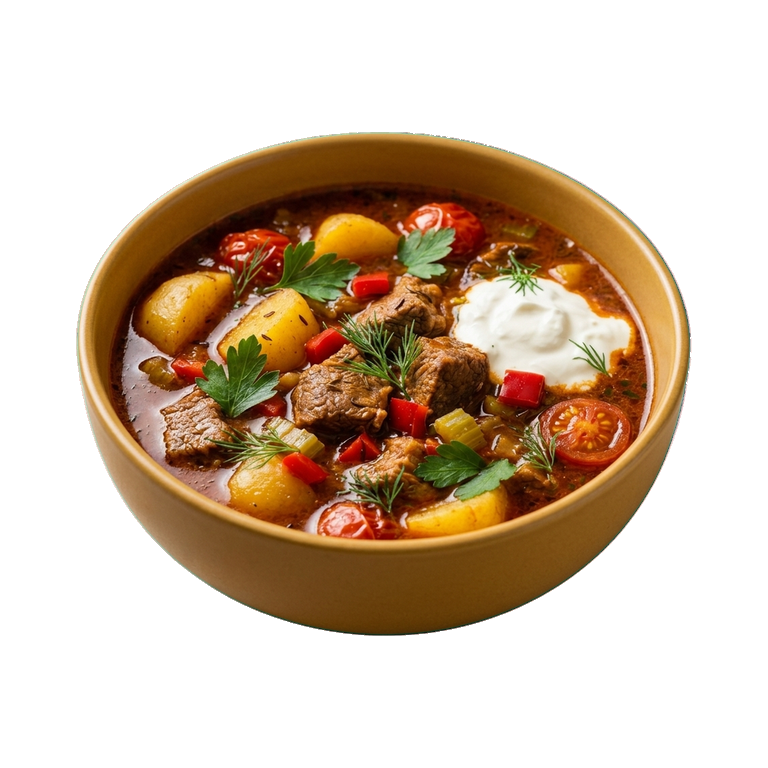
Paprika is a ground spice made from sweet red peppers that adds a vibrant color and mild, slightly sweet flavor with a barely noticeable heat to dishes. It is used in Hungarian goulash, Spanish sausages, marinades and sauces, as well as a garnish for soups and appetizers. When choosing, pay attention to the color — a more saturated red indicates quality, and remember that paprika quickly loses its aroma during storage, so it's better to buy it in small quantities.
Micronutrients
per 100 g
Minerals
Vitamins
- AVitamin A (RAE)2463mcg290% DV
- EVitamin E29.1mg194% DV
- KVitamin K80.3mcg67% DV
- CVitamin C0.9mg1% DV
- B1Vitamin B1 (thiamin)0.33mg22% DV
- B2Vitamin B2 (riboflavin)1.23mg68% DV
- B3Vitamin B3 (niacin)10.06mg50% DV
- B5Vitamin B5 (pantothenic acid)2.51mg50% DV
- B6Vitamin B62.14mg107% DV
- B9Vitamin B9 (folate, DFE)49mcg12% DV
About
Paprika is ground red pepper that has become one of the most recognizable spices in world cuisine. Its bright color and distinctive taste make it indispensable in dishes from Hungarian goulash to Spanish sausages. But paprika is not just a coloring agent: it conceals a whole spectrum of aromas, from gently sweet to sharply smoky.
Aroma and Flavor
The taste of paprika depends on how the pepper is processed. Sweet paprika (the most common variety) provides a mild, fruity flavor with barely noticeable heat — it works well in any dish without the risk of overwhelming it with spiciness. Hot paprika adds real fire and works great in meat stews and soups. Smoked paprika (especially Spanish) coats the dish with a deep smoky aroma, as if it had been cooking over coals for hours.
Role in dishes
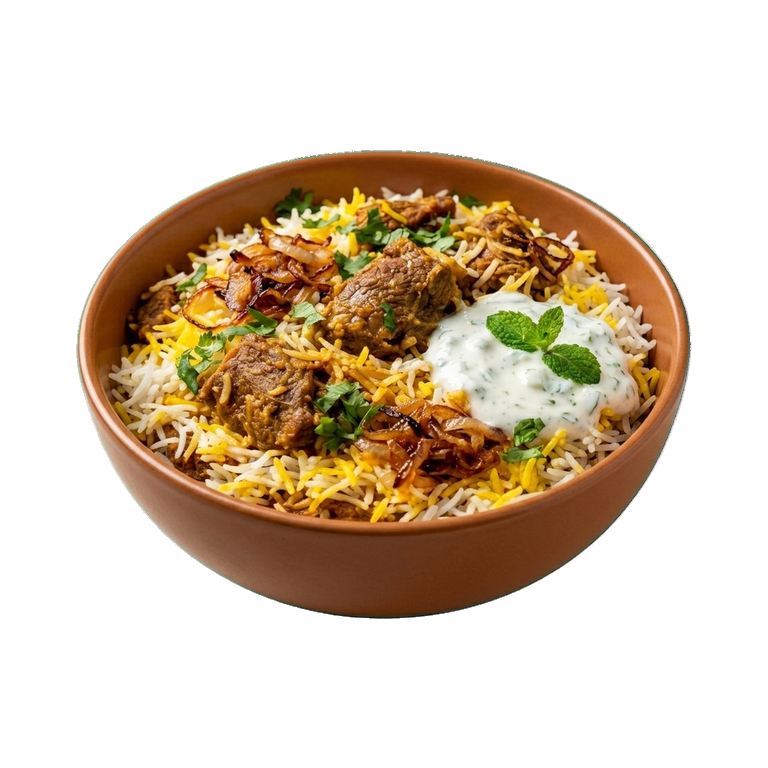
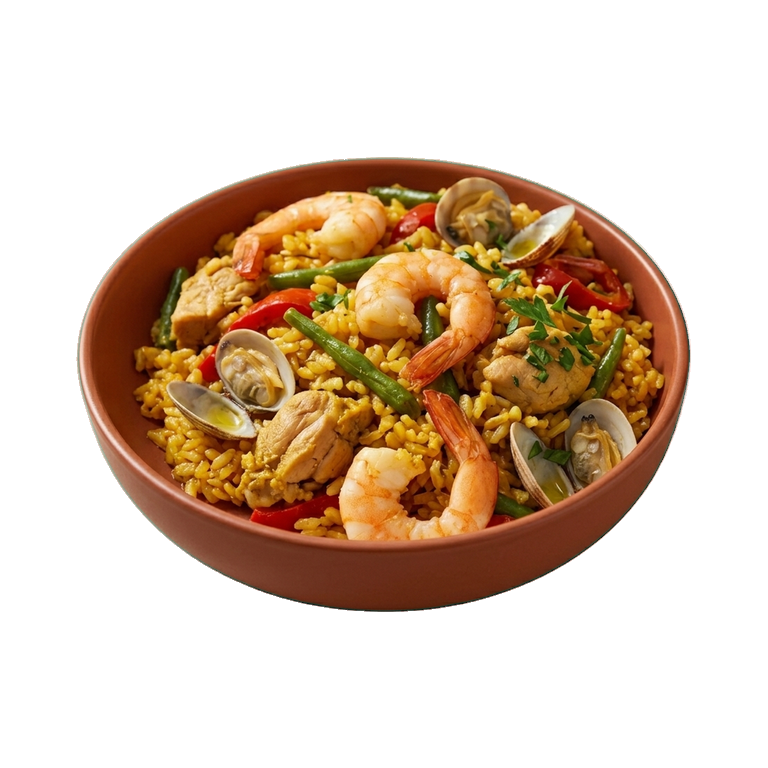
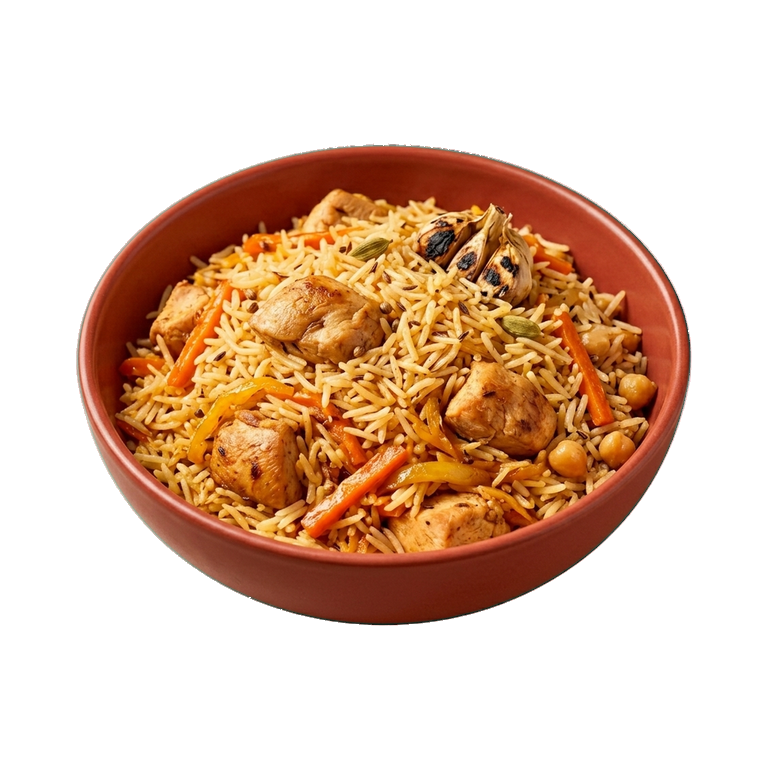
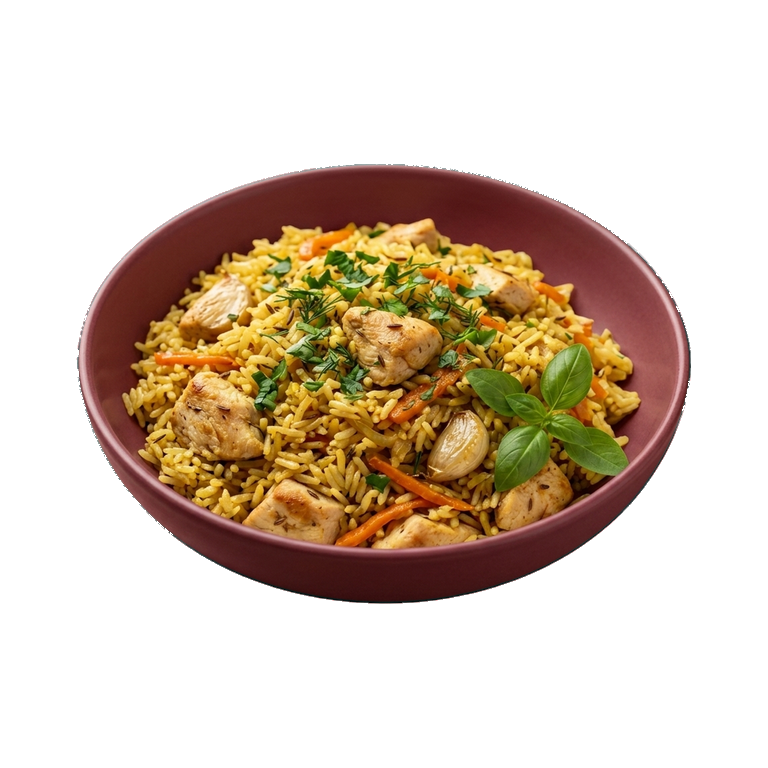
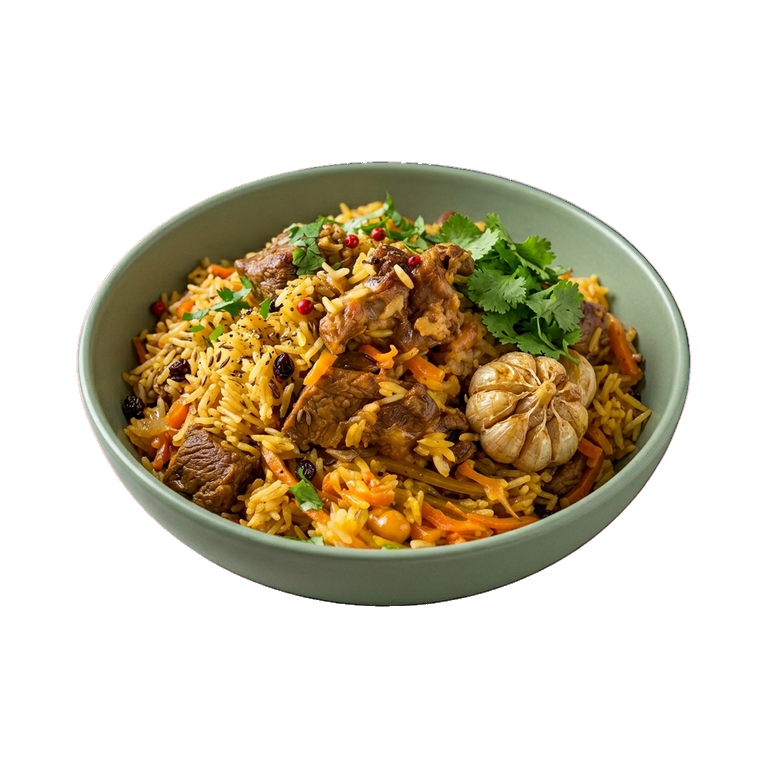
Paprika works in several directions at once. First, it adds color: a few pinches will transform a pale sauce or soup into an appetizing red color. Second, it adds aroma: added to hot oil at the beginning of cooking, it reveals its full-bodied notes. Third, it binds flavors: in goulash, paella, or pilaf, paprika becomes the foundation on which the entire flavor profile of the dish is built.
Pairings and Uses
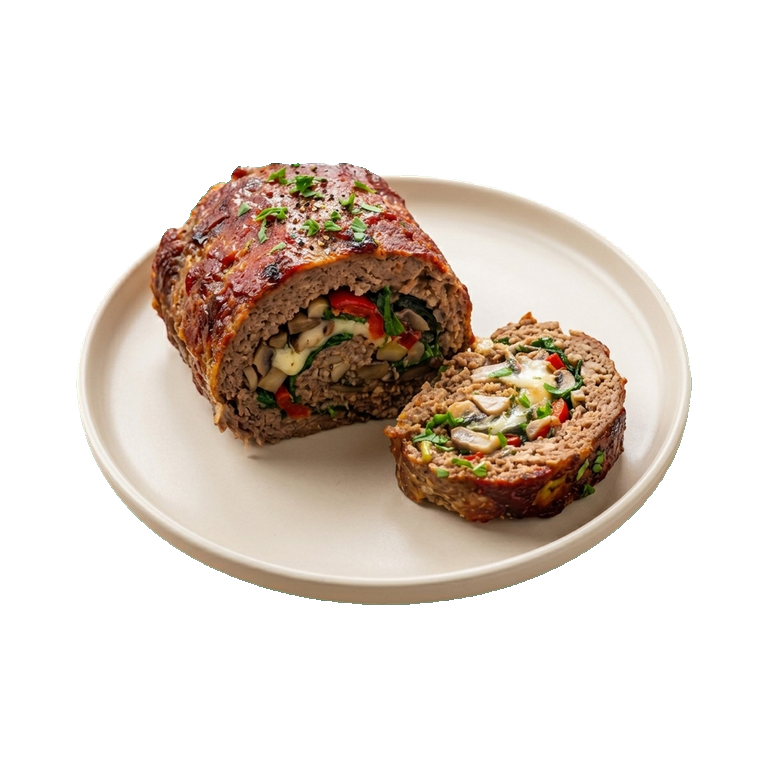
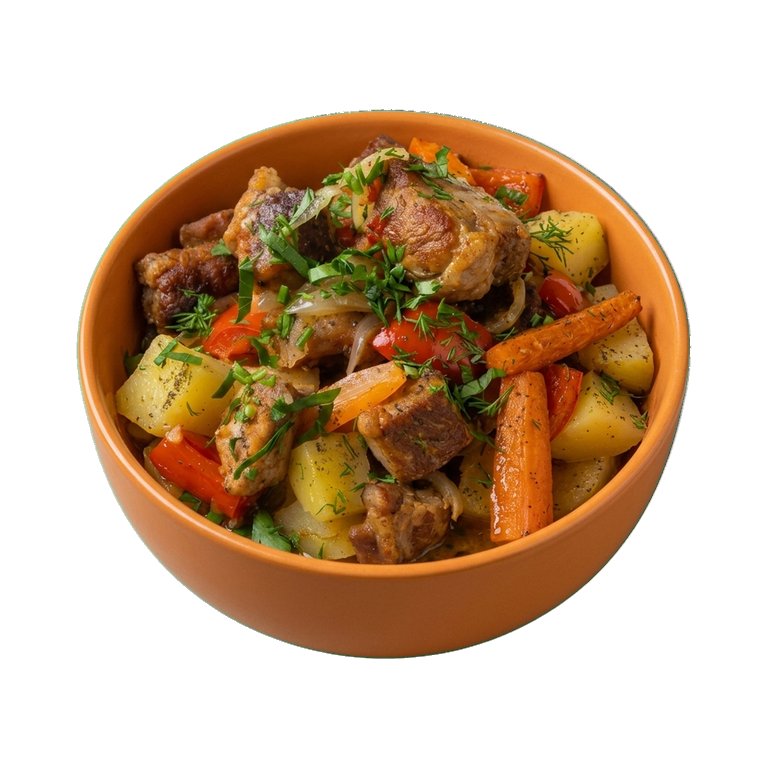
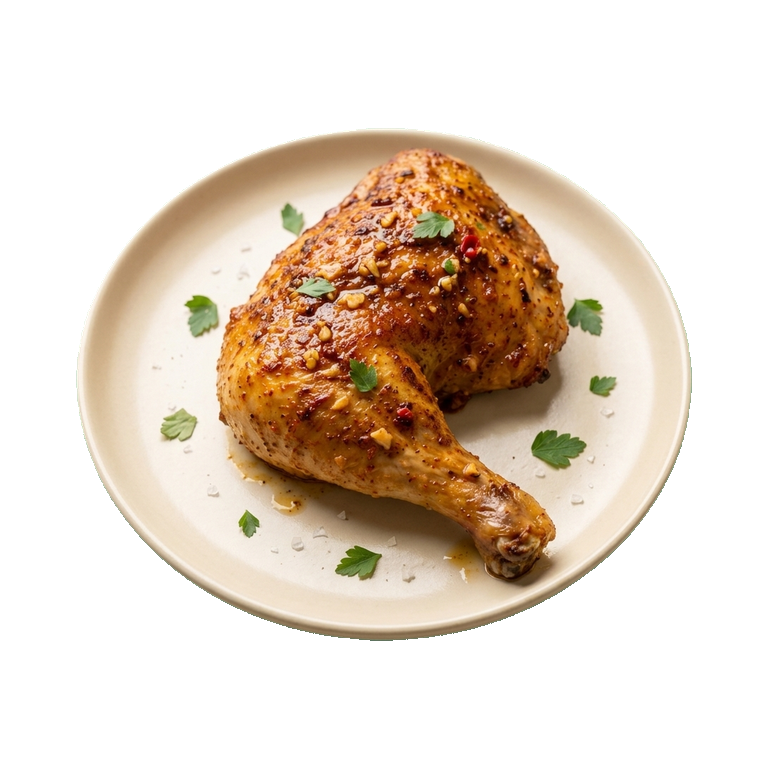
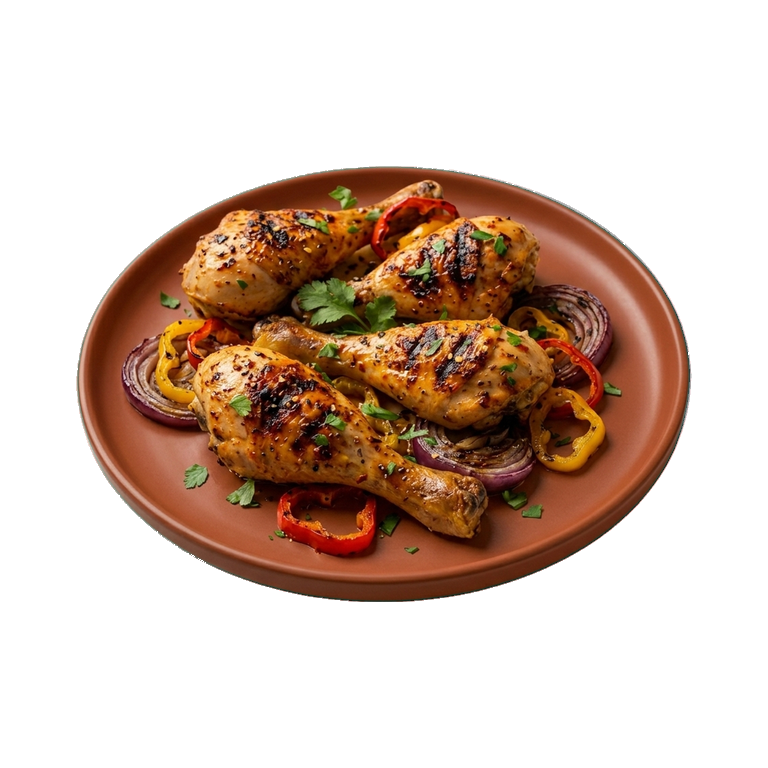
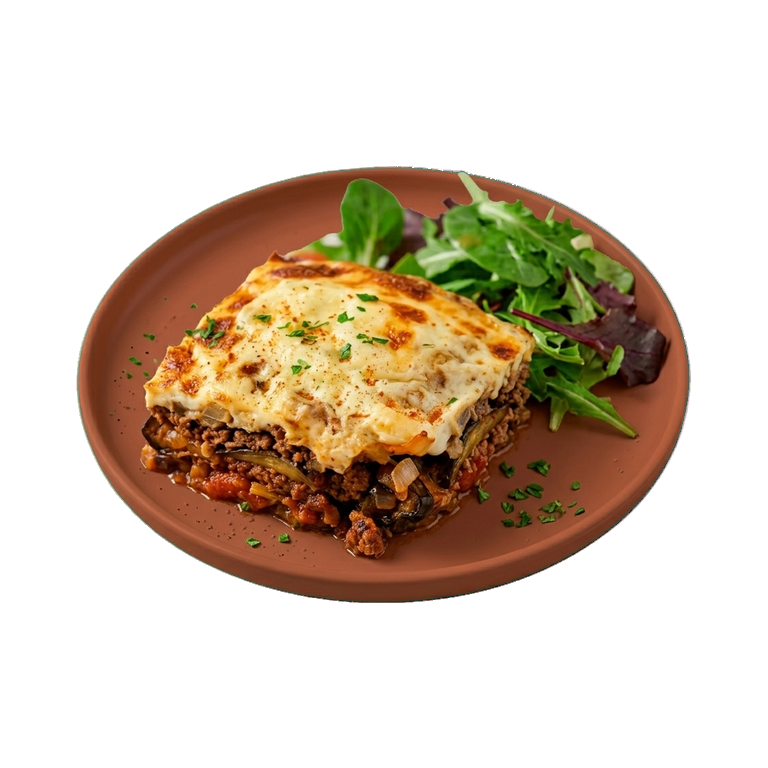
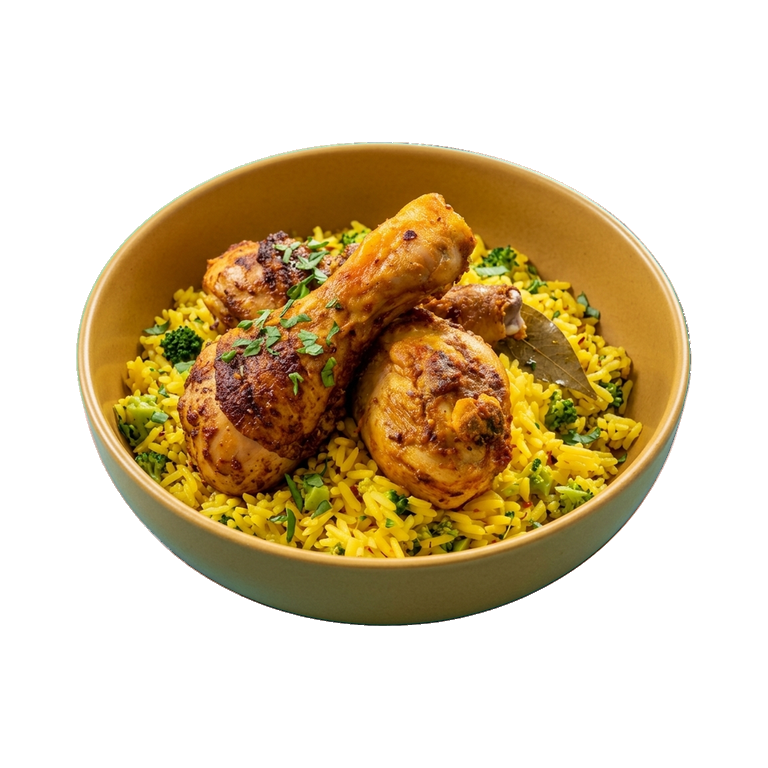
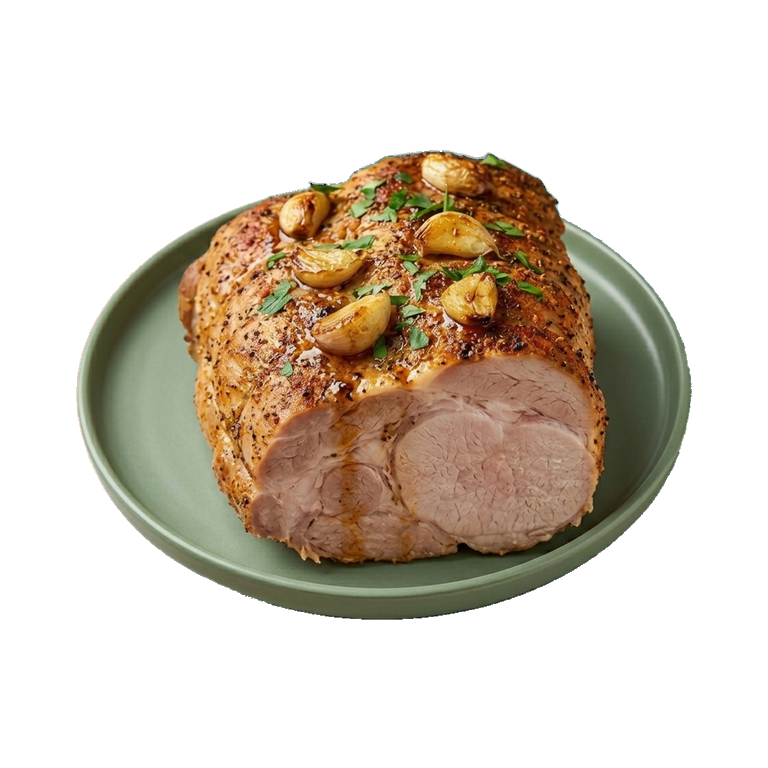
- With meat: paprika is a classic partner for beef, pork and chicken, especially in stewed dishes
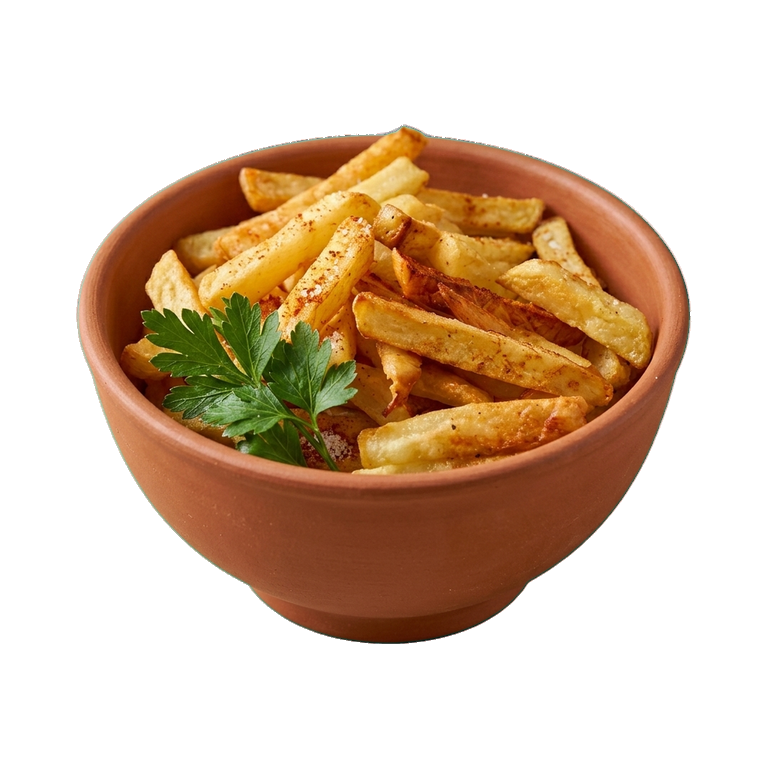
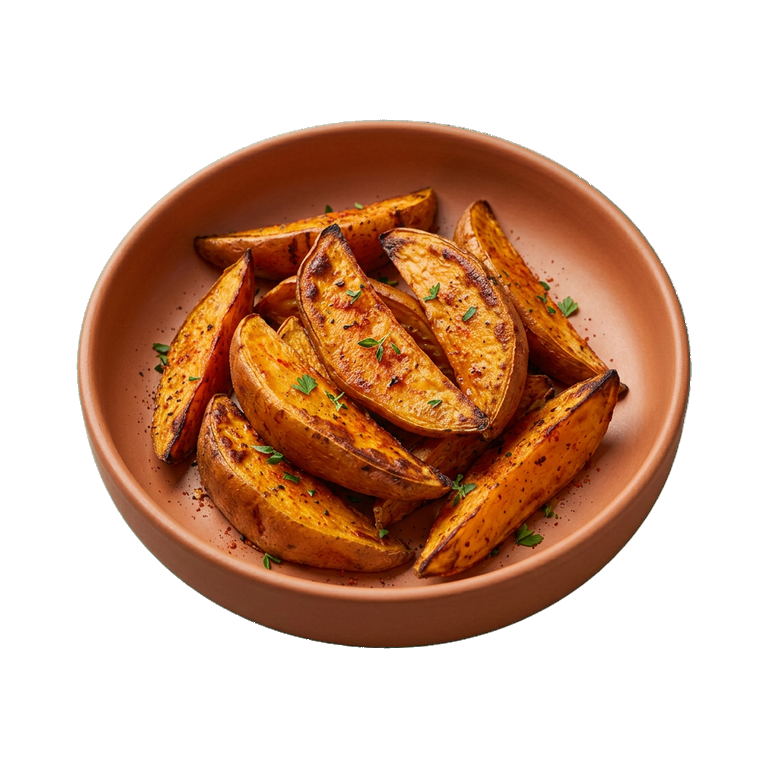
- With potatoes: potatoes absorb the aroma of paprika, becoming brighter and more expressive
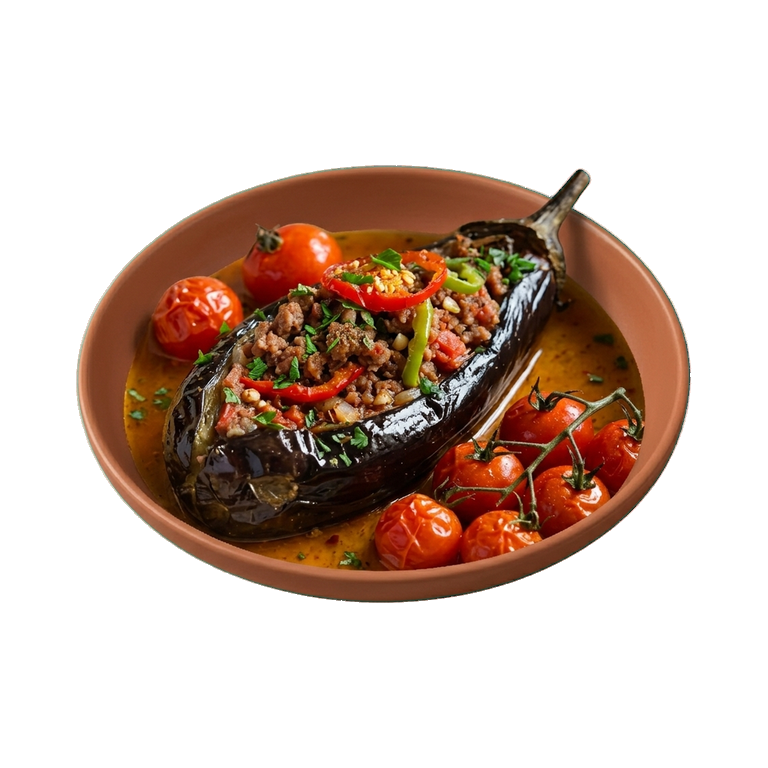
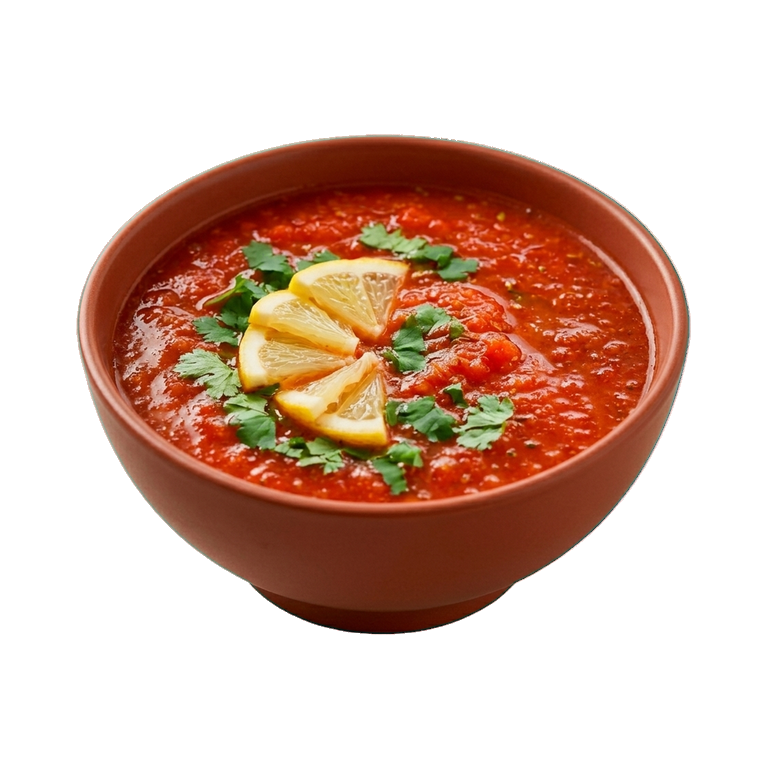
- With tomatoes: their acidity and paprika complement each other, creating a balanced flavor
- With garlic and onions: a classic aromatic base on which paprika unfolds to its full potential
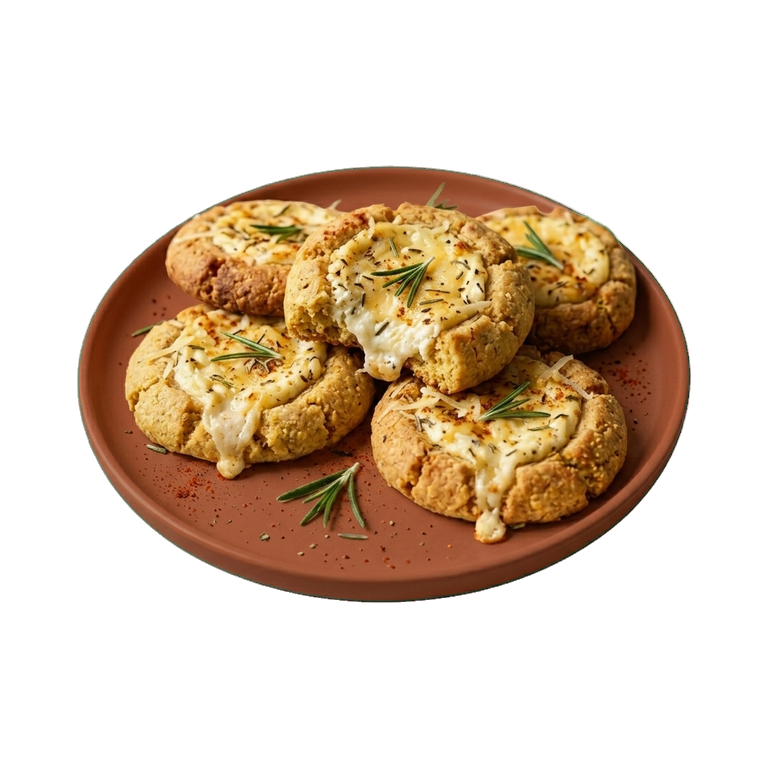
- In spice blends: paprika is often included in seasonings for meat, vegetables and even sweet dishes
Selection and Storage
When purchasing, pay attention to the color: good paprika has a rich red hue, not brownish. The smell should be fresh and slightly sweet, without mustiness. Store paprika in an airtight container away from light and heat — the spice quickly loses its aroma and can fade. In a closed form, it retains its qualities for approximately one year, but it is better to use it within six months after opening the package.
Dosage and tips
- Start with half a teaspoon per serving and add more to taste
- Add paprika to hot oil at the beginning of cooking to reveal its aroma
- If you're afraid of overdoing the heat, use sweet paprika — it's more versatile
- Smoked paprika is an accent, not a base: you need just a little to feel the effect
Paprika is the spice that makes cooking simpler and more delicious at the same time. It forgives small mistakes, enhances modest ingredients, and gives dishes a finished appearance. Keep a jar of good paprika on hand, and your everyday dishes will become much more interesting.
Nutrition
per 100 g
- Calories
- 282 kcal
- Protein
- 14.3 g
- Fat
- 12.9 g
- Carbs
- 53.3 g
Micronutrients
per 100 g
Macronutrients
- Fiber
- 34.9 g
- Sugars
- 10.34 g
- Saturated fat
- 2.14 g
- Monounsaturated fat
- 1.695 g
- Polyunsaturated fat
- 7.766 g
- Omega-3 (EPA + DHA)
- 0 g
- Cholesterol
- 0 mg
- Water
- 11.24 g
Minerals
- Sodium
- 68 mg
- Potassium
- 2280 mg
- Calcium
- 229 mg
- Magnesium
- 178 mg
- Phosphorus
- 314 mg
- Iron
- 21.14 mg
- Zinc
- 4.33 mg
- Copper
- 0.71 mg
- Manganese
- 1.59 mg
- Selenium
- 6.3 mcg
Vitamins
- Vitamin A (RAE)
- 2463 mcg
- Vitamin D
- 0 mcg
- Vitamin E
- 29.1 mg
- Vitamin K
- 80.3 mcg
- Vitamin C
- 0.9 mg
- Vitamin B1 (thiamin)
- 0.33 mg
- Vitamin B2 (riboflavin)
- 1.23 mg
- Vitamin B3 (niacin)
- 10.06 mg
- Vitamin B5 (pantothenic acid)
- 2.51 mg
- Vitamin B6
- 2.14 mg
- Vitamin B9 (folate, DFE)
- 49 mcg
- Vitamin B12
- 0 mcg
Measures and weight
- 1 tbsp
- 13.5 g
- 1 tsp
- 4.5 g
- 1 cup
- 225 g
Measure calculator
- Weight
- 100 g
- Calories
- 282 kcal