Usuba
Usuba

Cream
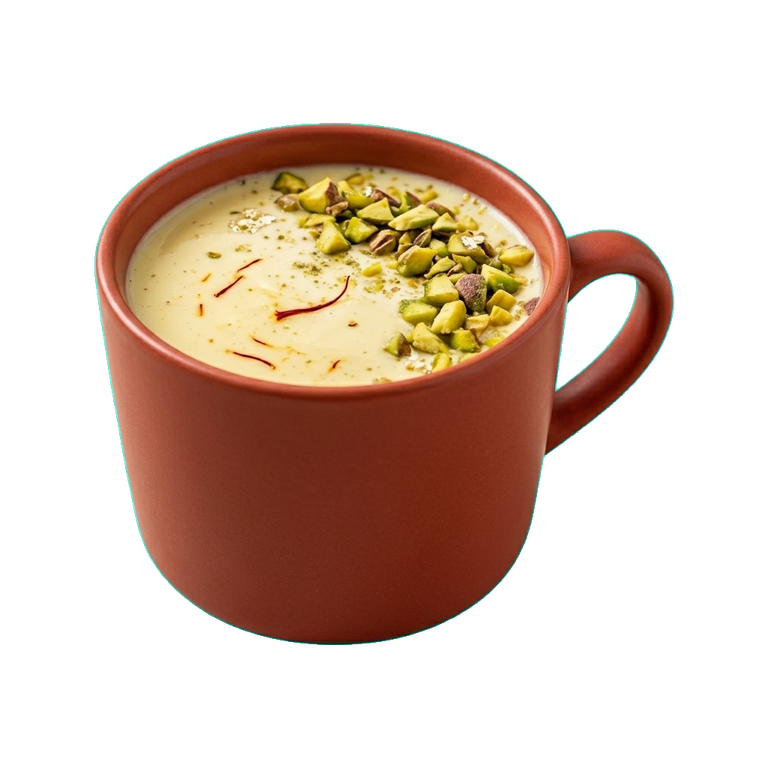
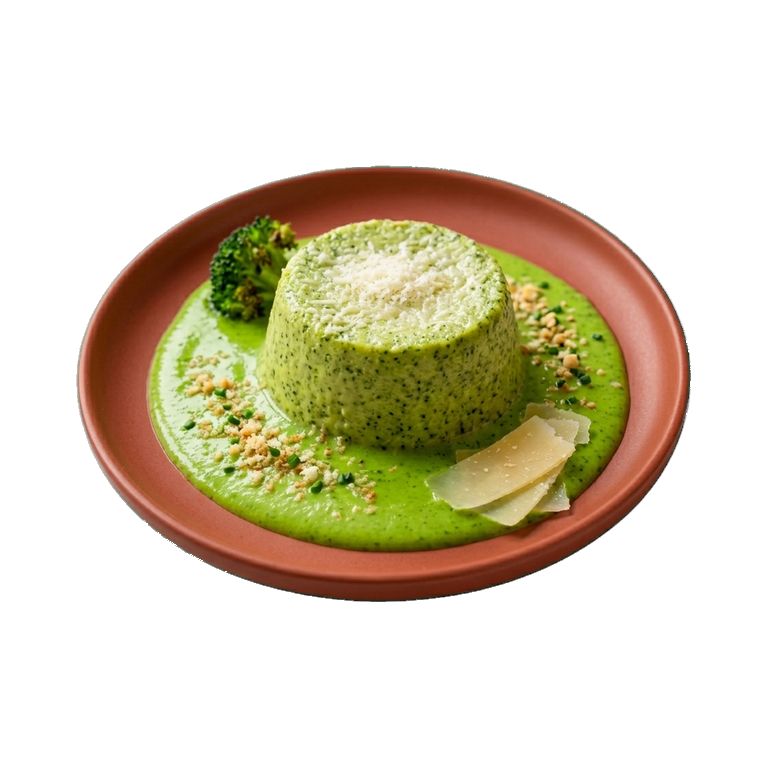
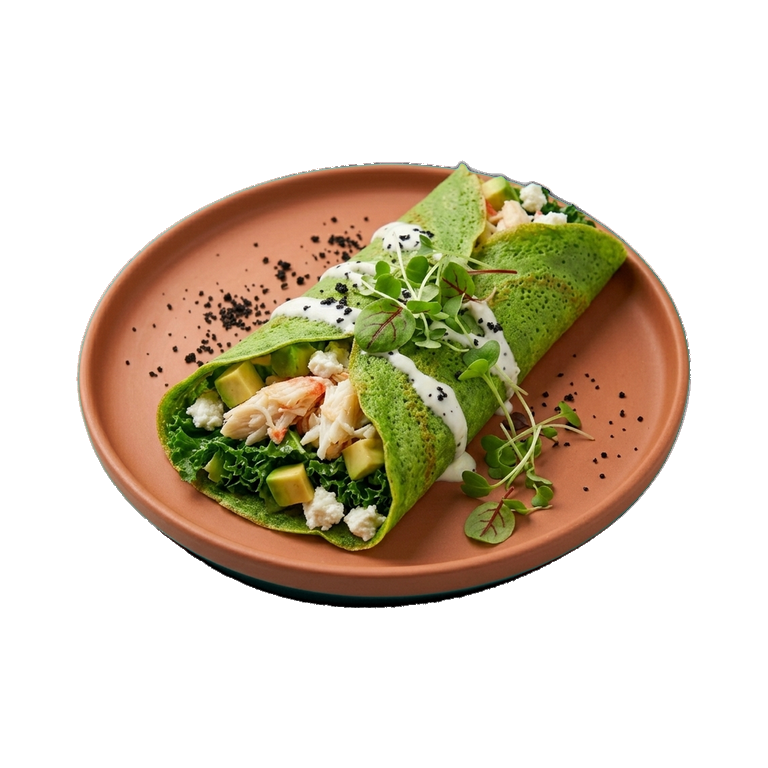
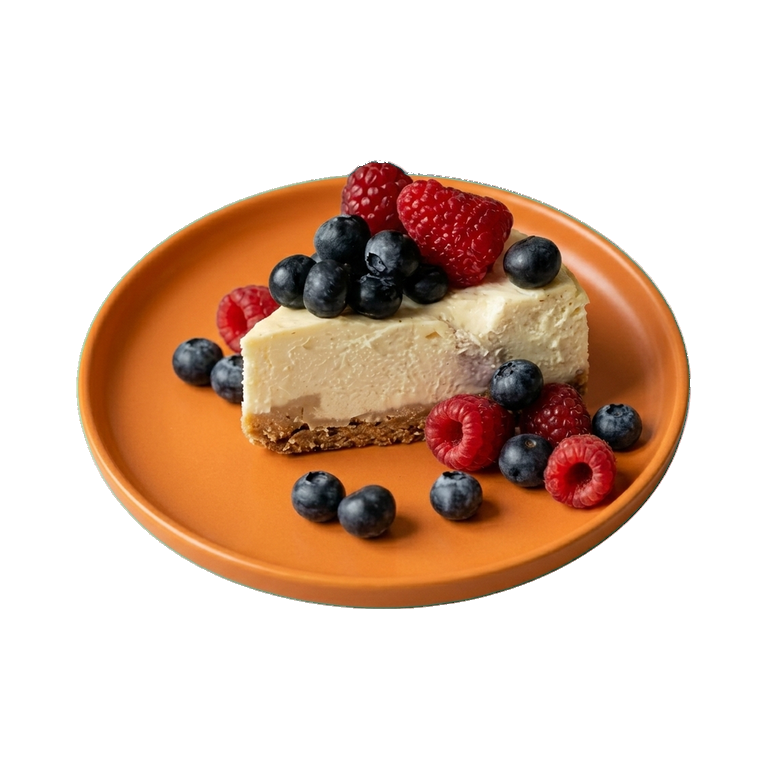
Cream is the fatty part of milk that separates during the skimming process. It is used as a standalone ingredient for making sauces, desserts, and whipped cream, as well as added to soups and coffee to give a creamy texture and mild dairy flavor. When choosing cream, pay attention to the fat percentage: for whipping, you need cream with at least 30–35% fat content, while lighter options work well for sauces.
About
Cream is one of the most versatile dairy products in the kitchen. It is the fatty part of milk that rises to the surface and separates from the skimmed remainder. Due to its high fat content, cream has a soft, delicate flavor and creamy consistency that make dishes more satisfying and delicious.
In cooking, cream works simultaneously as a main ingredient and as a tool for achieving the desired texture. It can be liquid, thick, or whipped — depending on the fat content percentage and processing method. This makes it indispensable in both sweet and savory dishes, from soups to desserts.
Taste and Aroma
Cream has a delicate, slightly sweet milk flavor with a light buttery richness. The higher the fat content, the richer and more saturated the taste. Fresh cream smells like milk with barely perceptible buttery notes. If the cream has undergone heat treatment during pasteurization, its flavor becomes more neutral and stable.
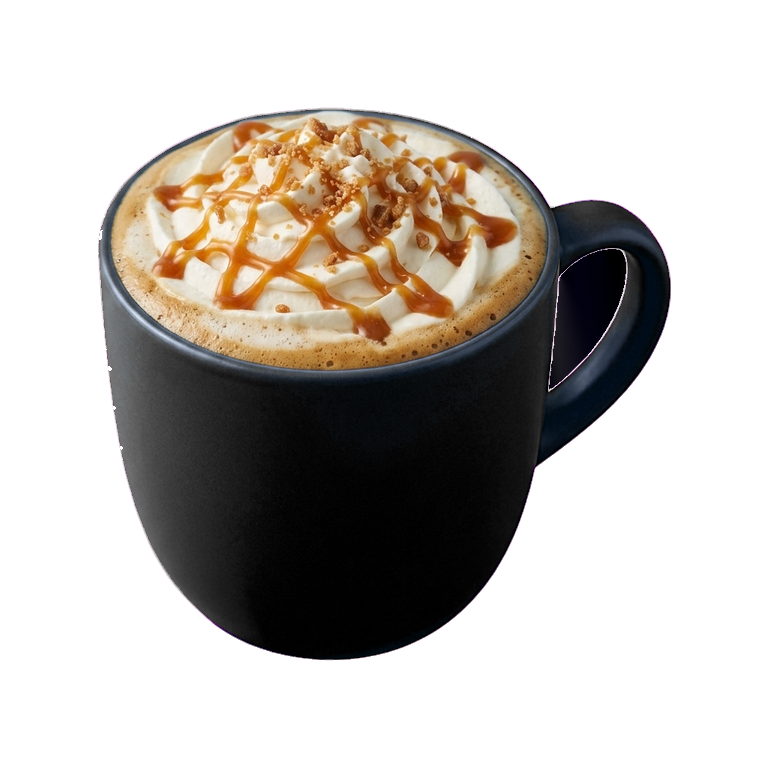
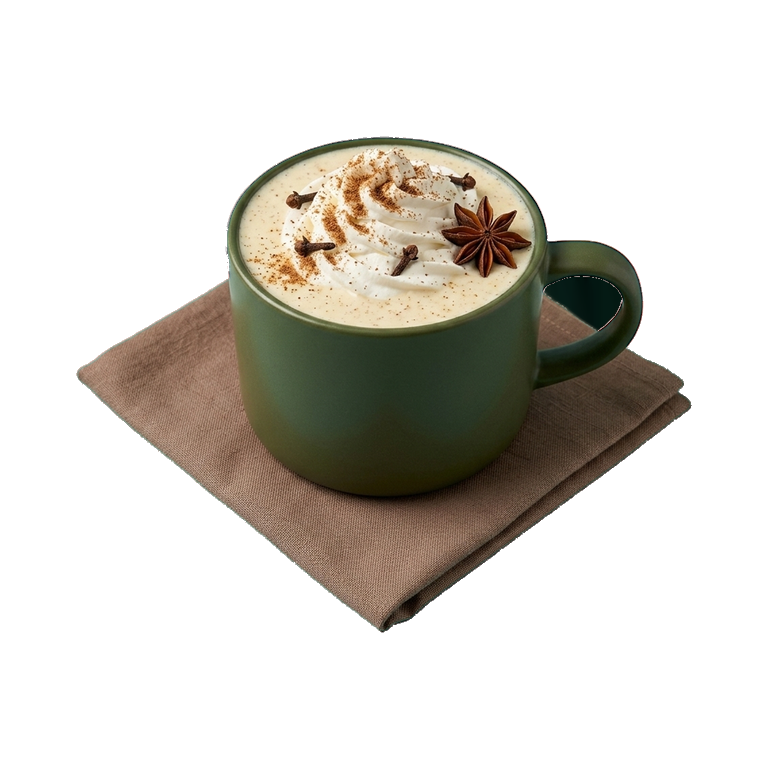
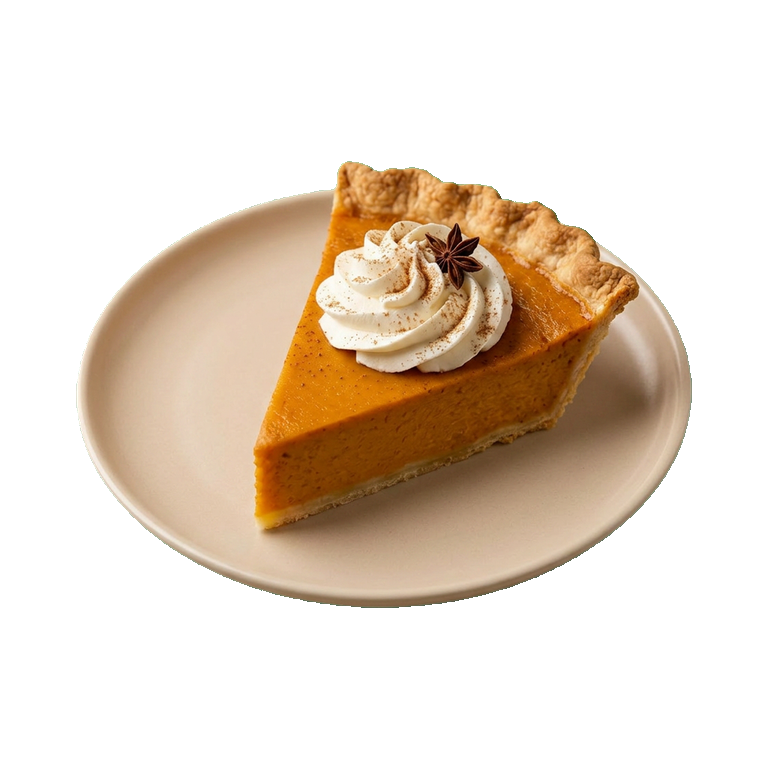
When whipped, cream changes its character: it becomes airy, light, and almost sweet to the taste. This happens because air bubbles enhance the perception of fat and milk flavor. If you whip the cream longer, it turns into butter with a sharp, piquant taste.
Role in Dishes
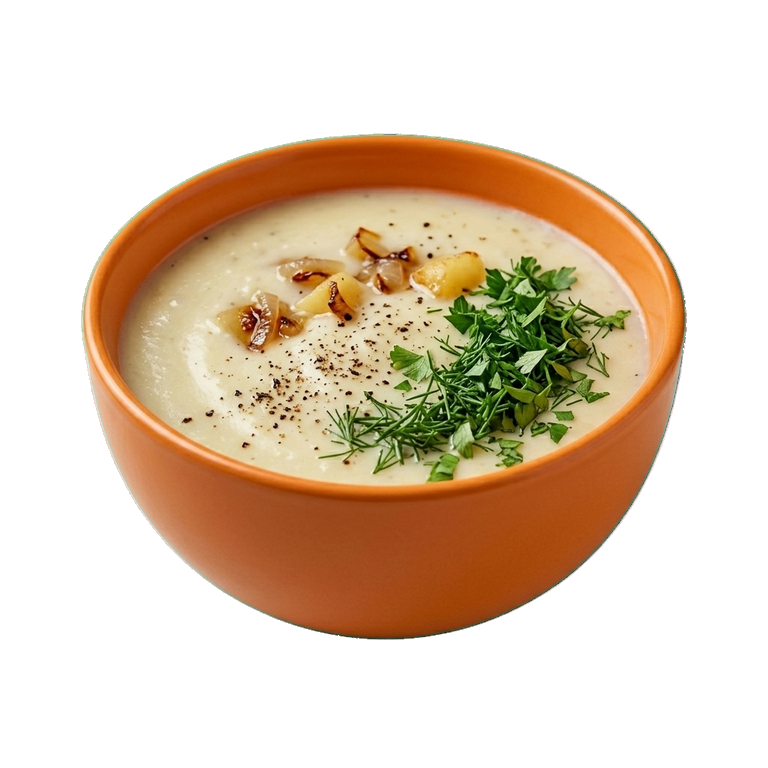
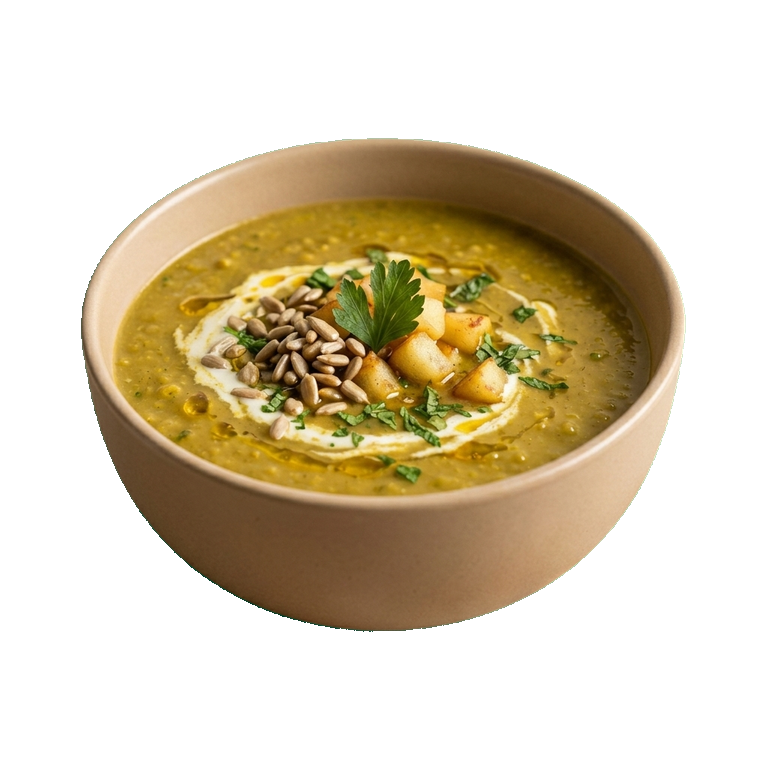
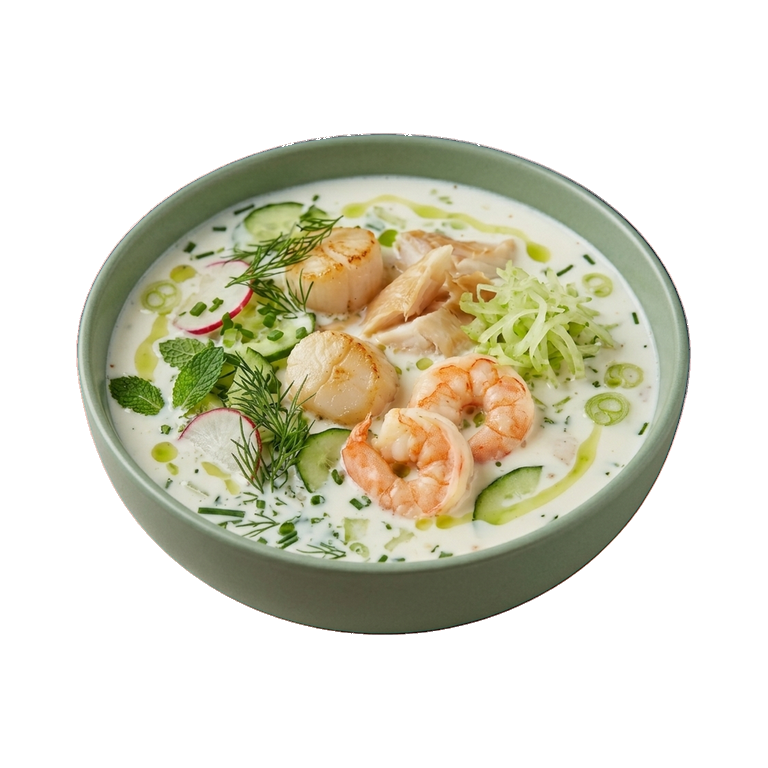
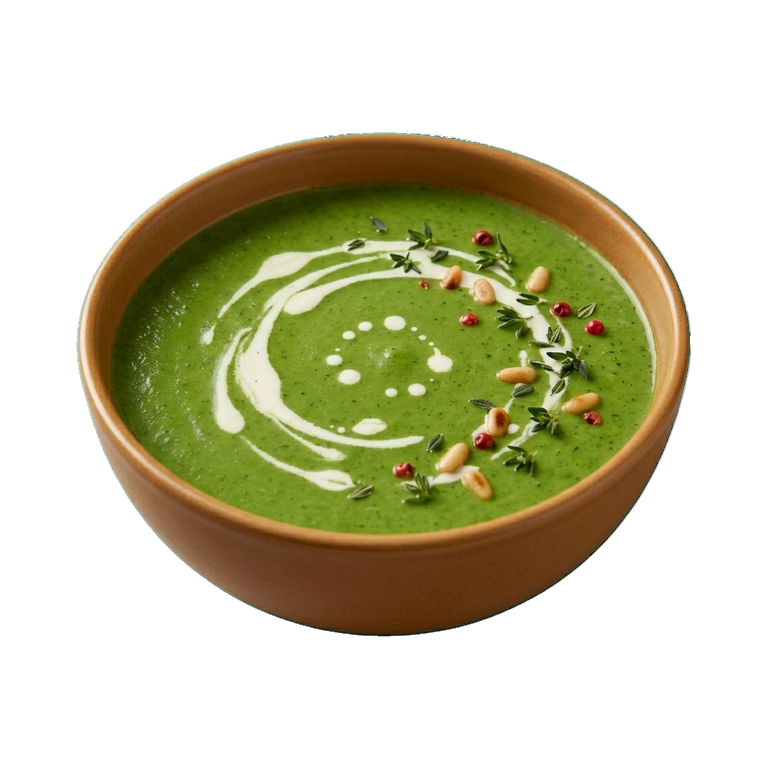
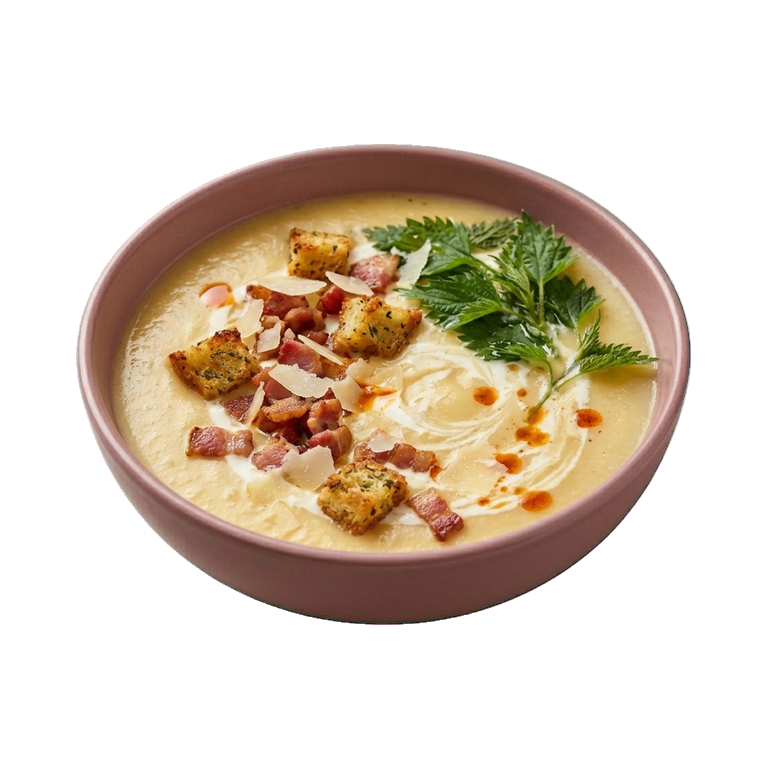
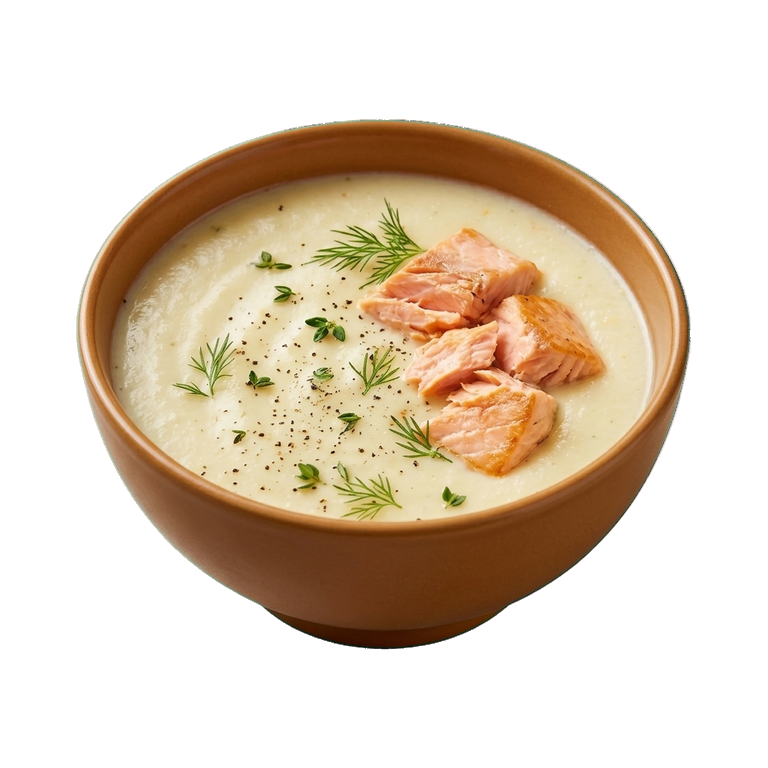
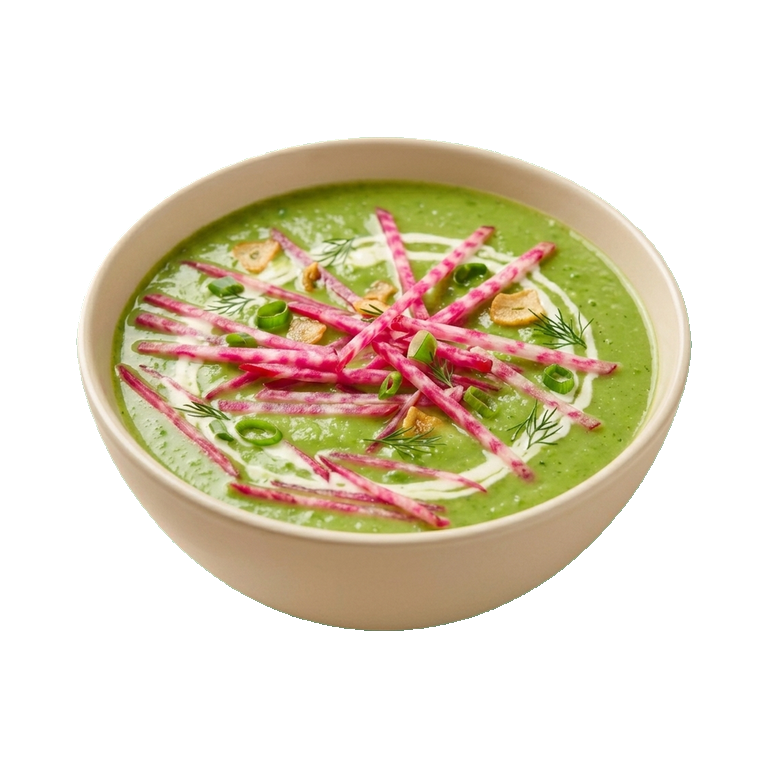
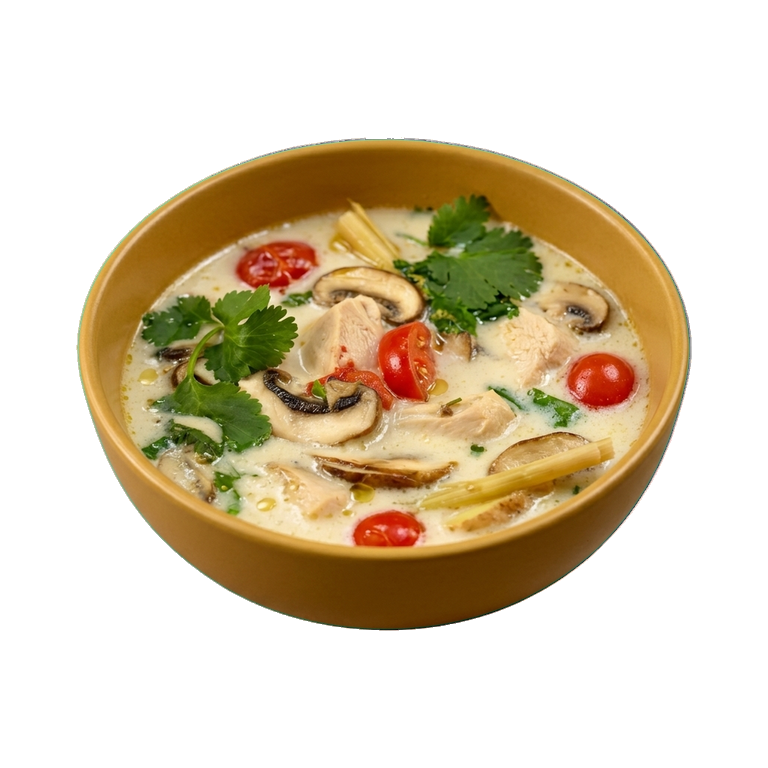
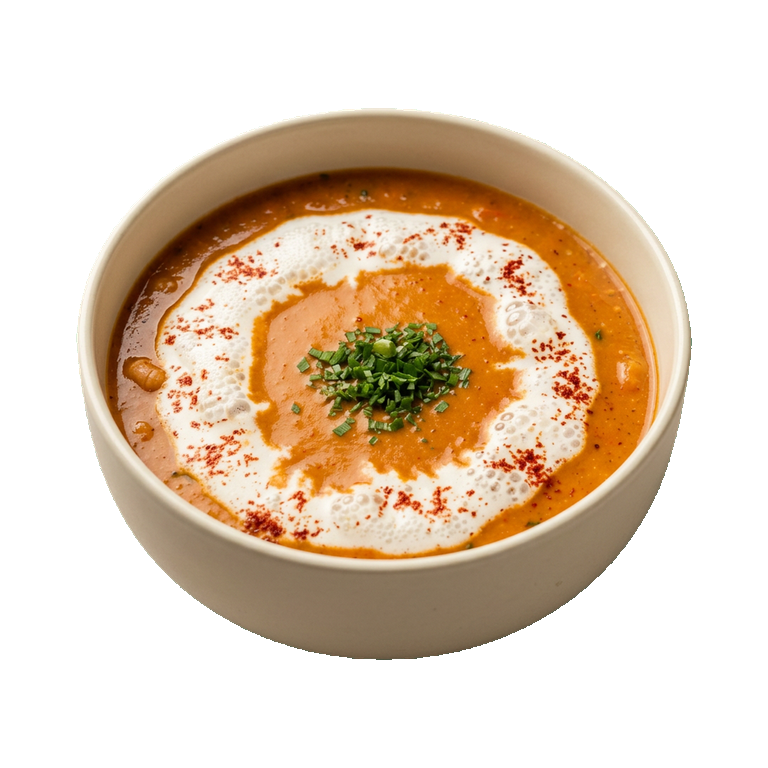
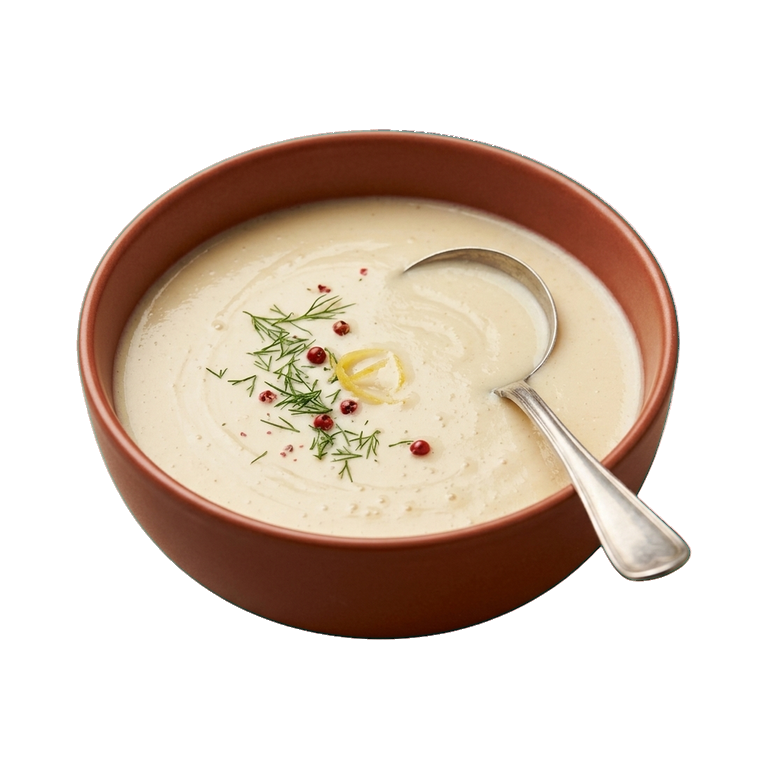
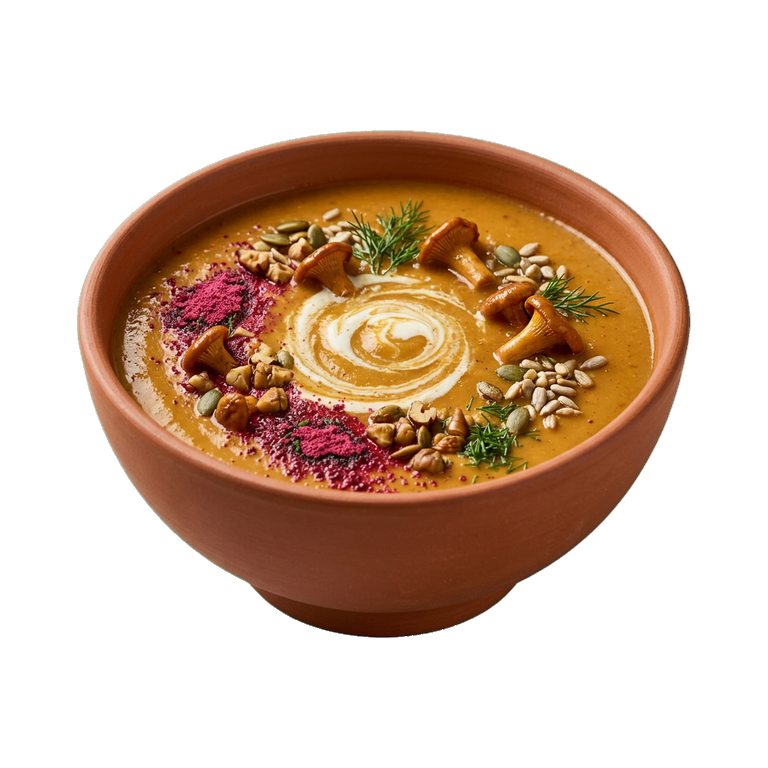
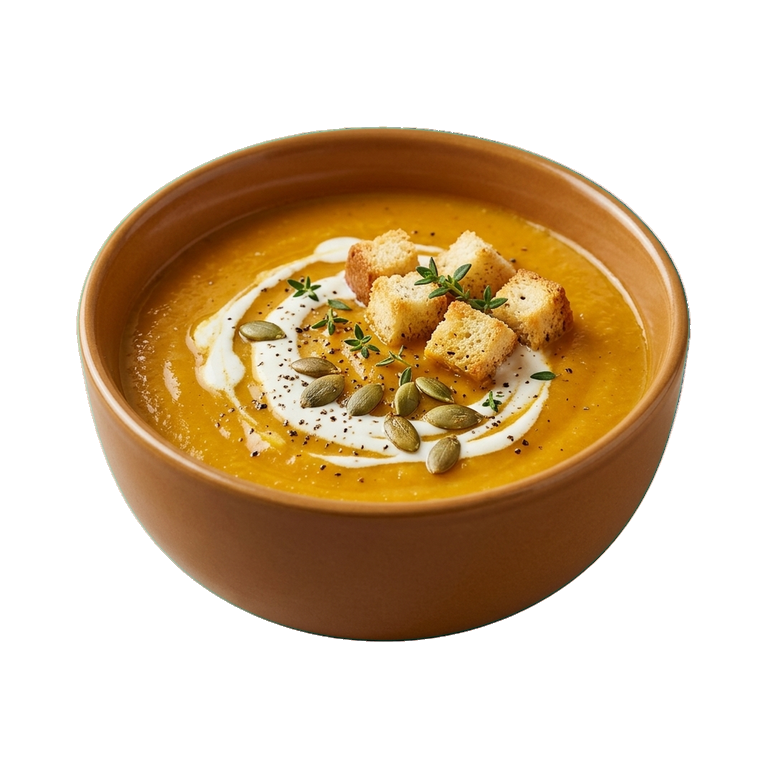
Light cream (10–15% fat) — handy helpers in cooking. They add softness to soups, sauces, and side dishes without making the dish heavy. Such creams work well in first courses, where only a hint of creaminess is needed.
Medium-fat cream (20–35%) is a versatile option for sauces, side dishes, and baked goods. They are dense enough to coat ingredients, but not so heavy as to overpower other flavors. These creams whip up into the fluffiest foam.
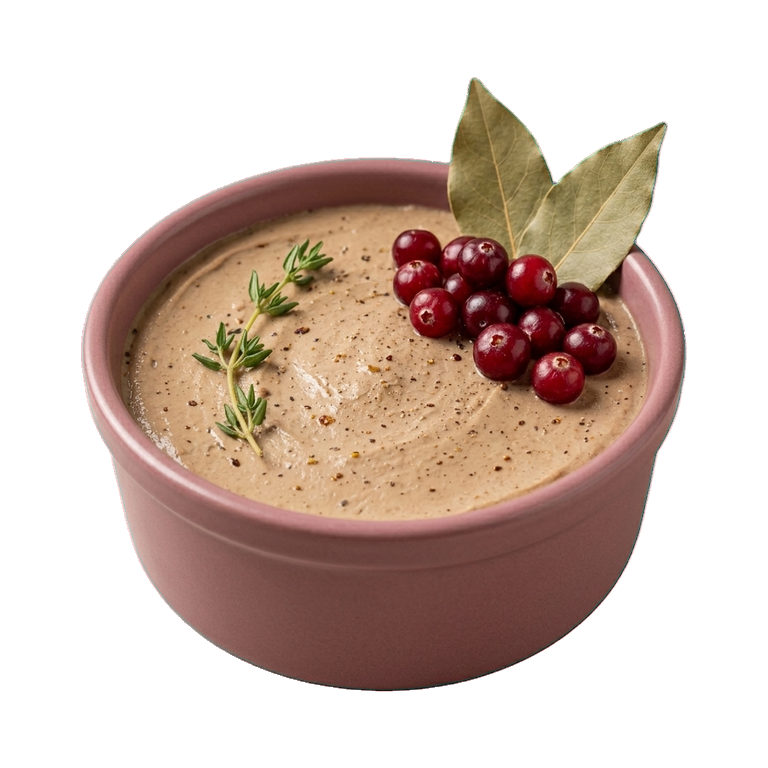
Heavy cream (35–50%) — the choice for desserts, creams, and pâtés. They create a rich, thick texture and hold their shape well when whipped. In hot dishes, such creams can separate, so they should be added at the end of cooking or used in cold sauces.
Pairings and Uses
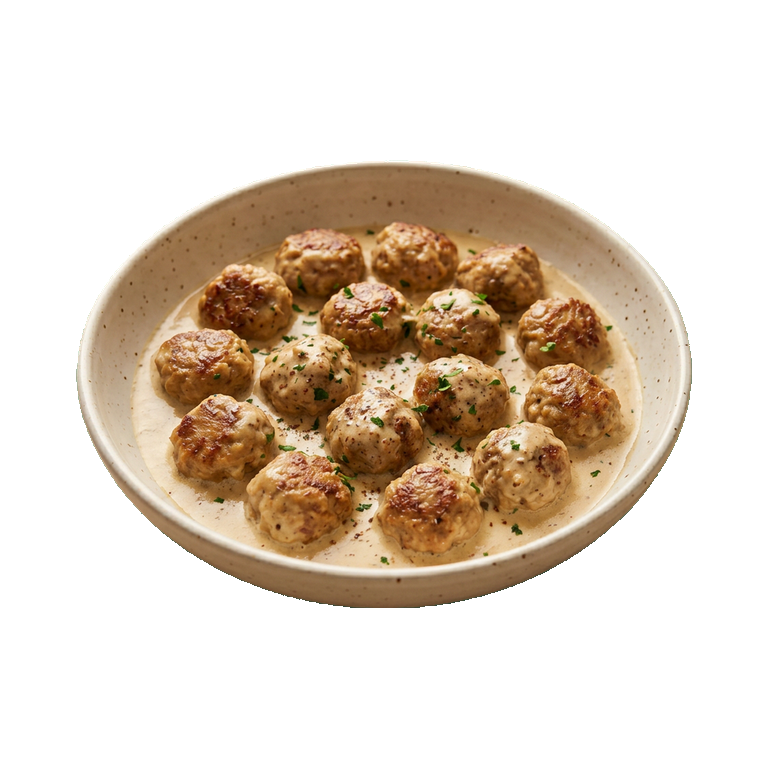
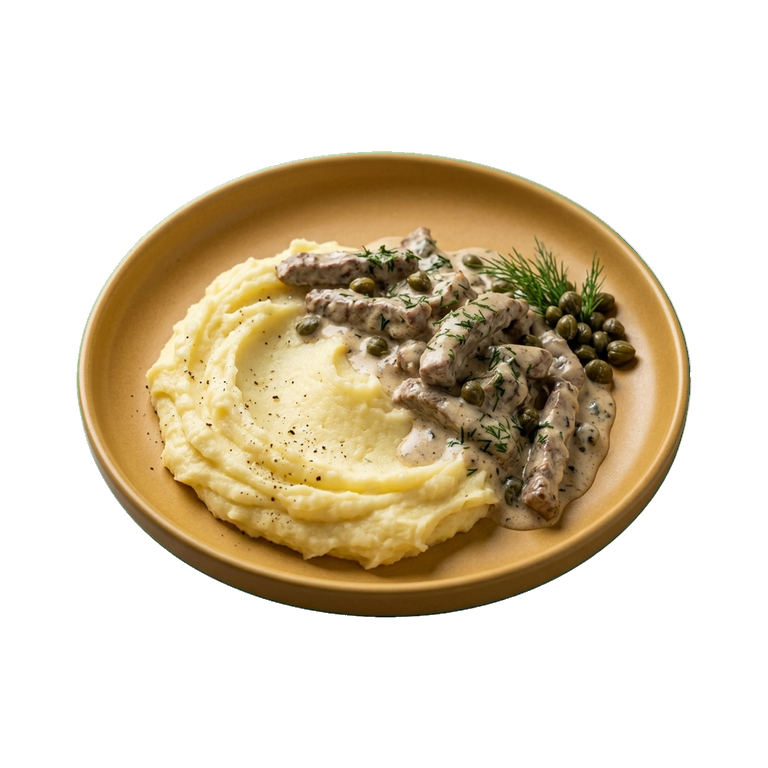
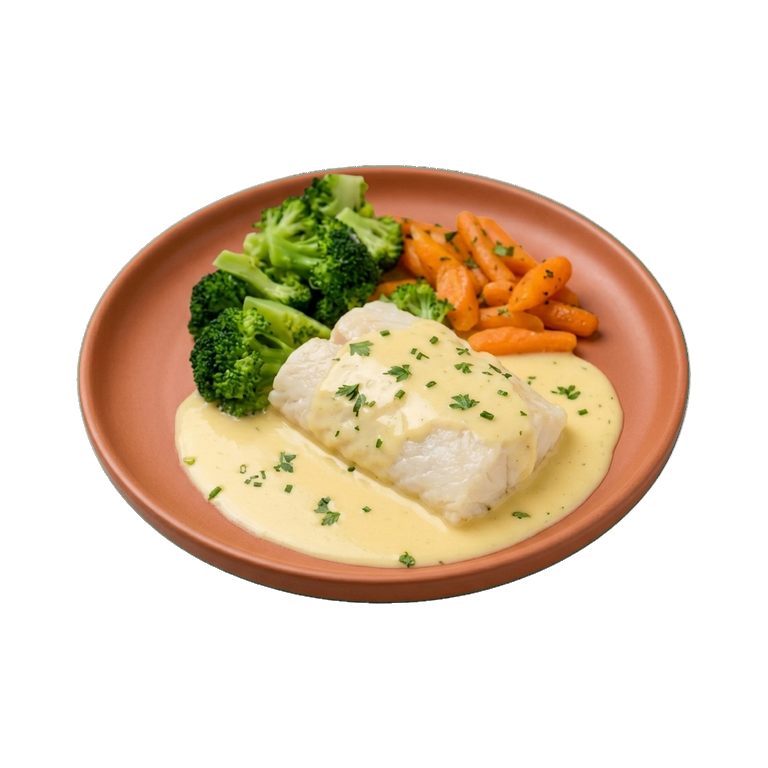
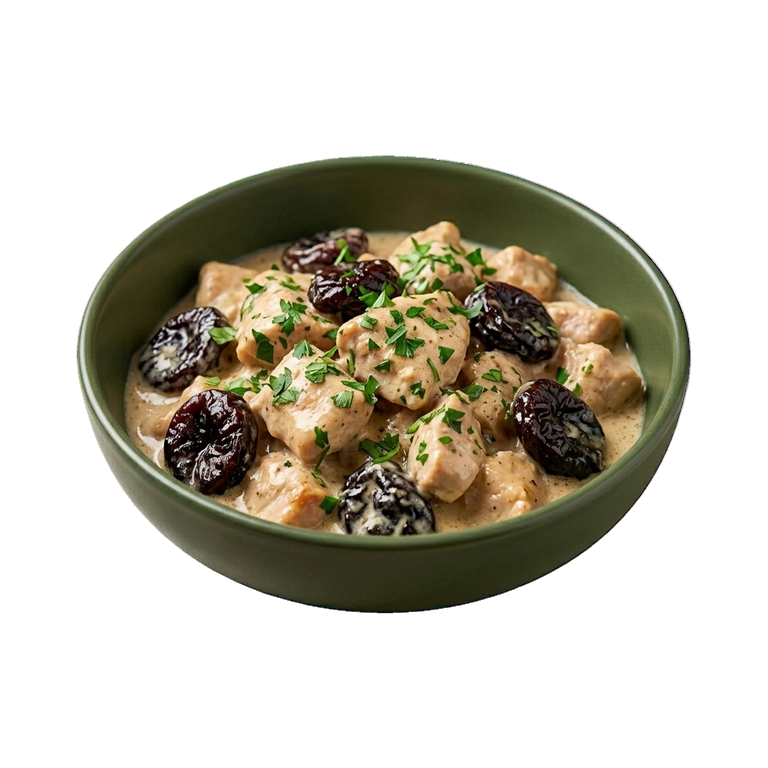
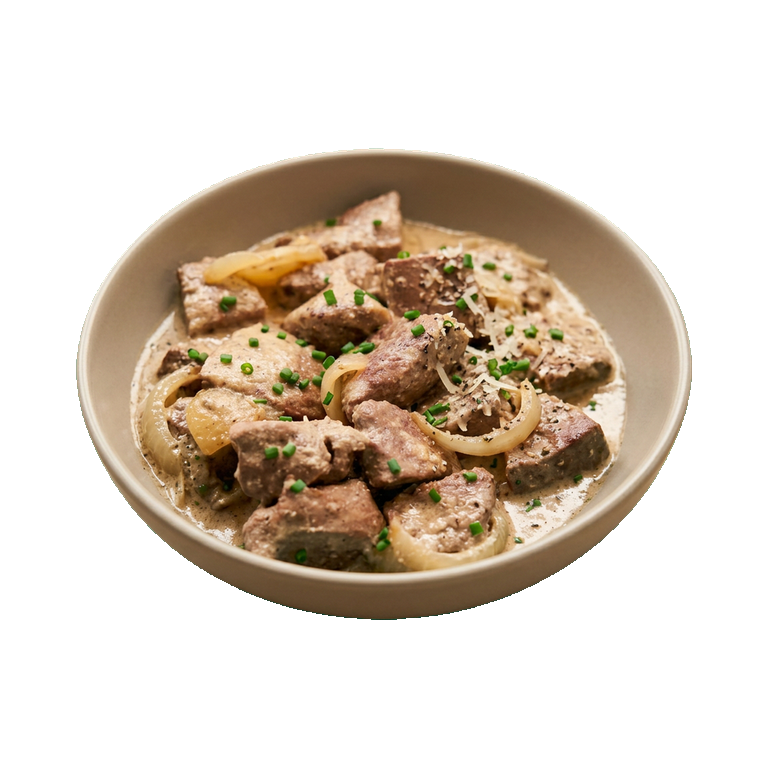
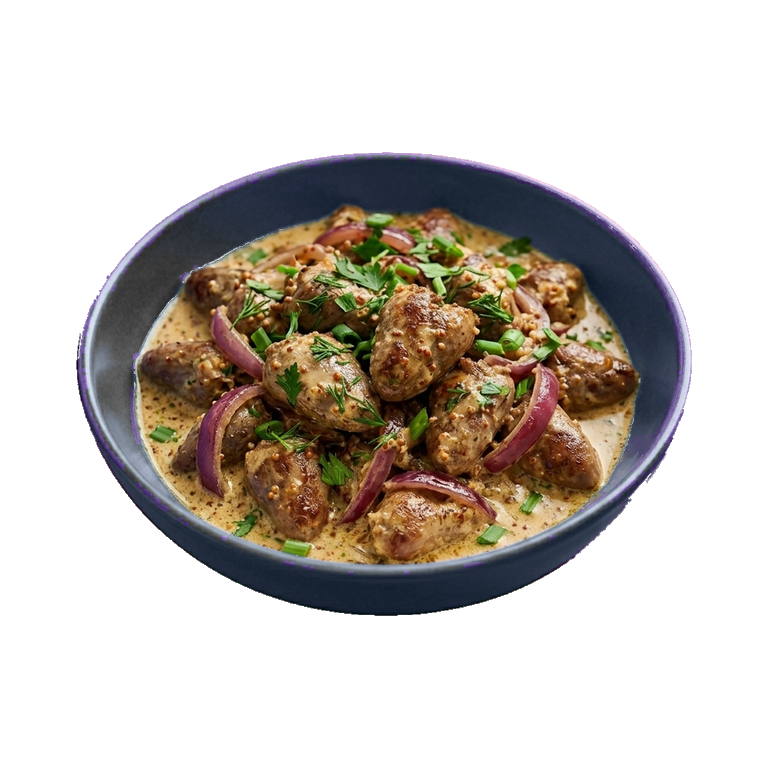
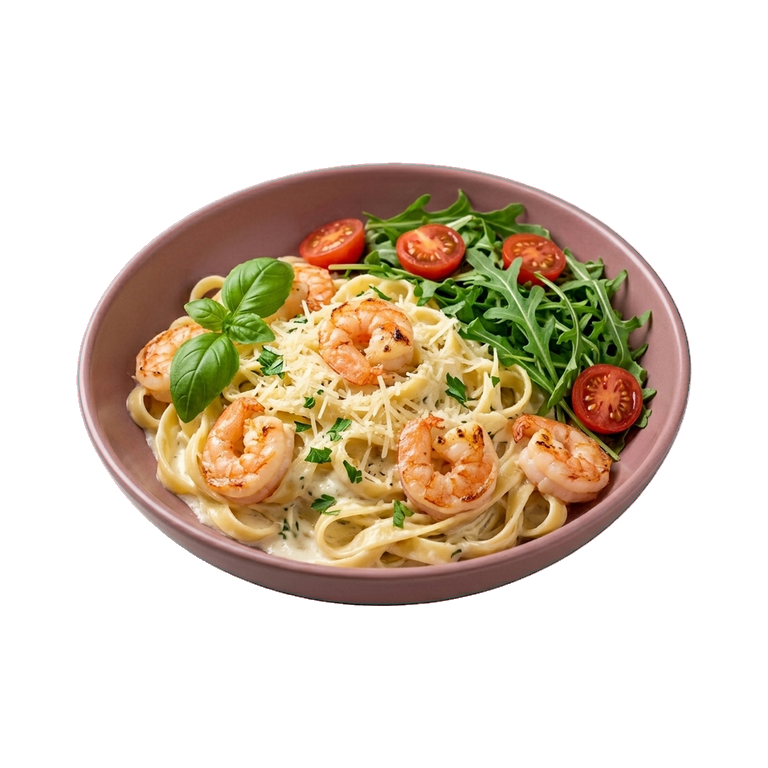
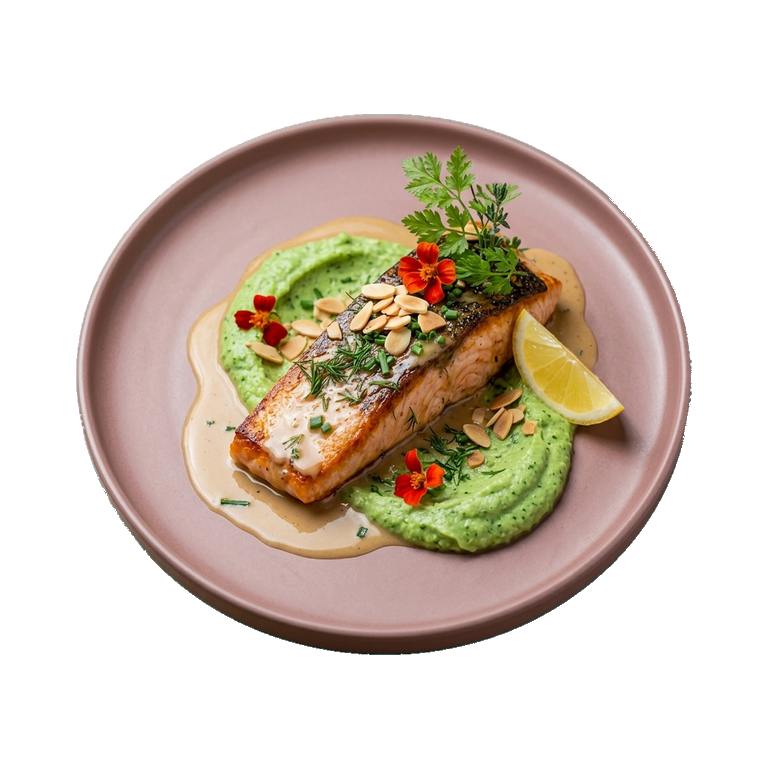
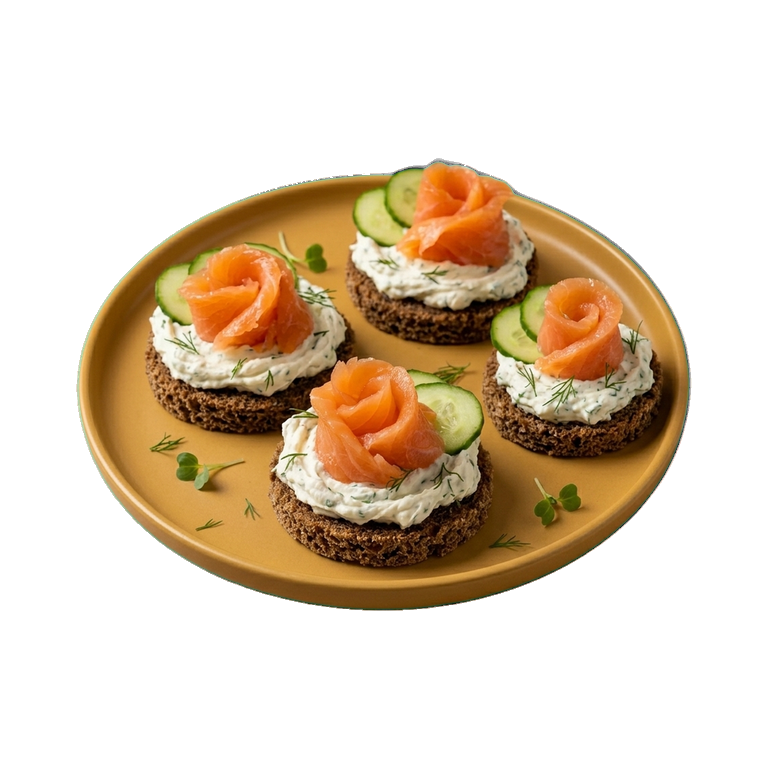
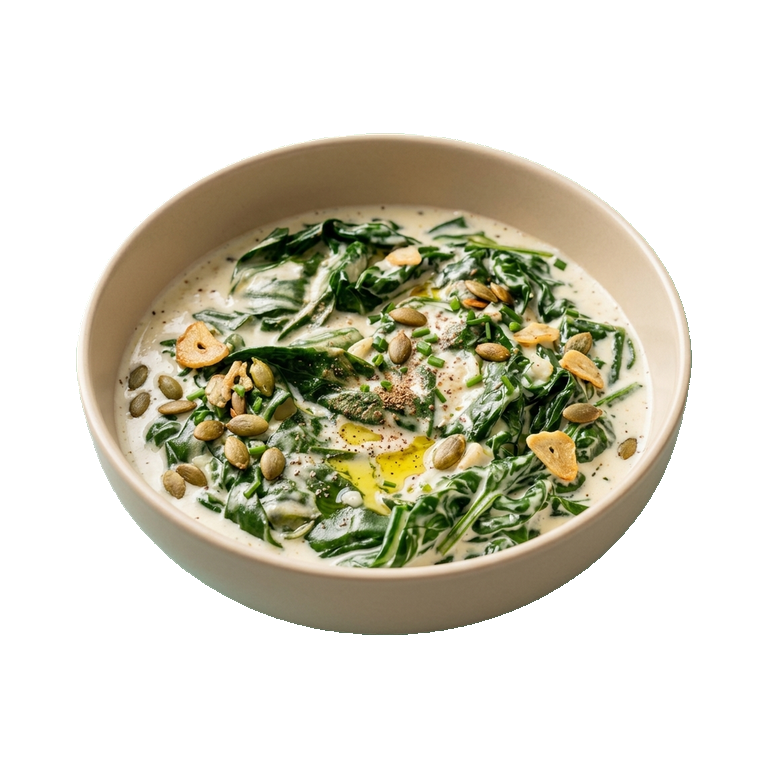
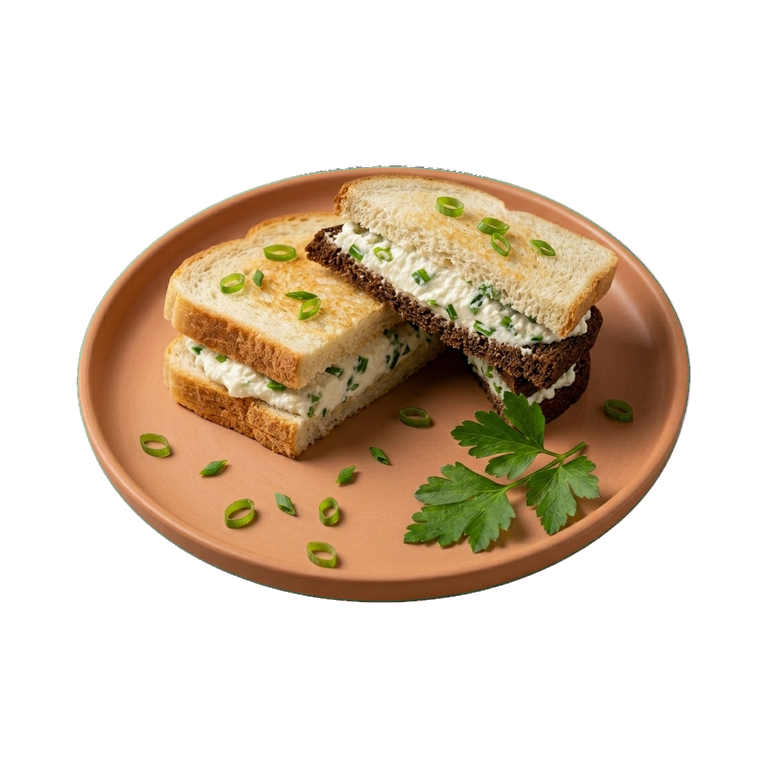
- With garlic, onion and herbs — in creamy sauces for meat and fish
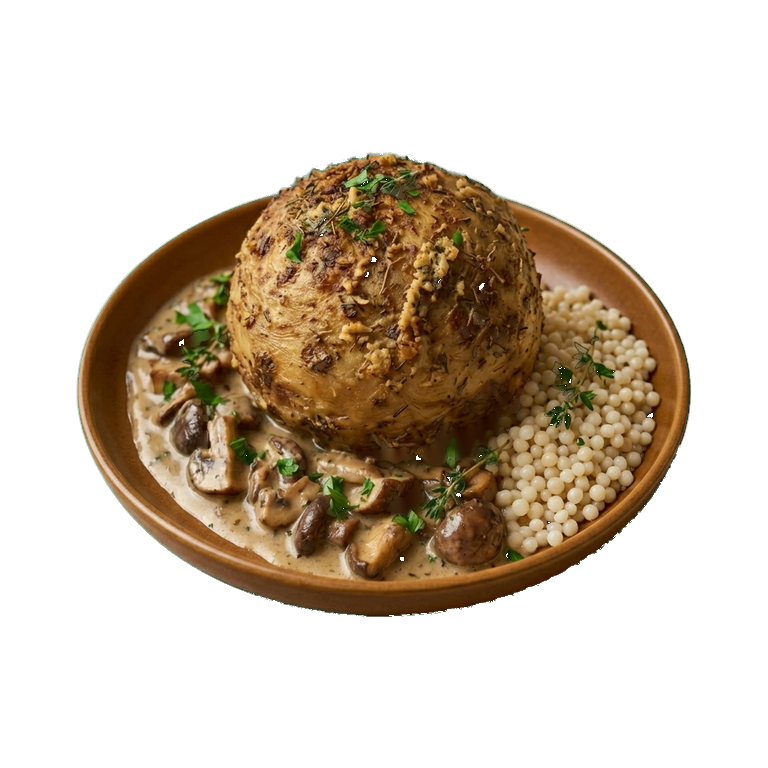
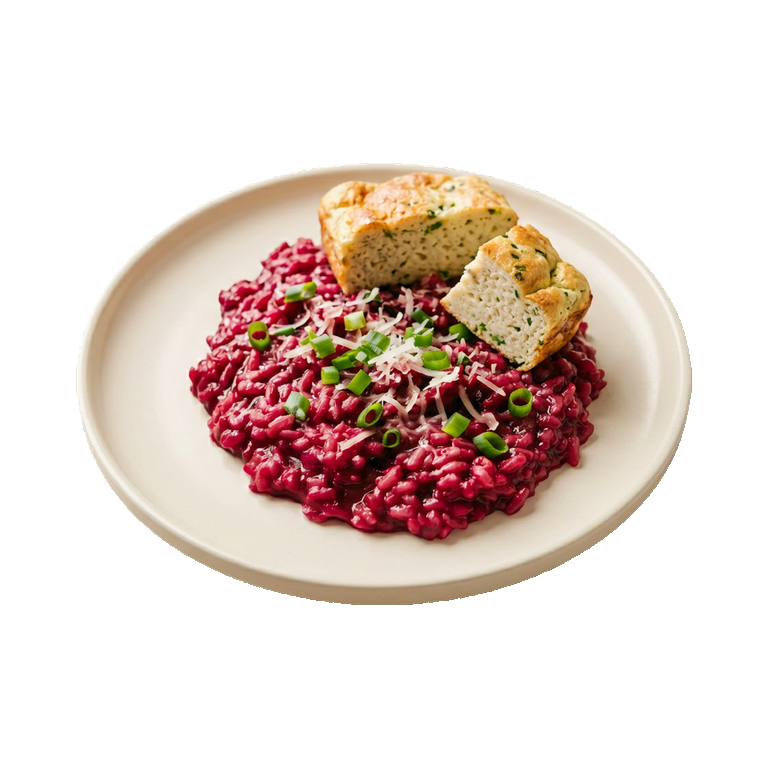
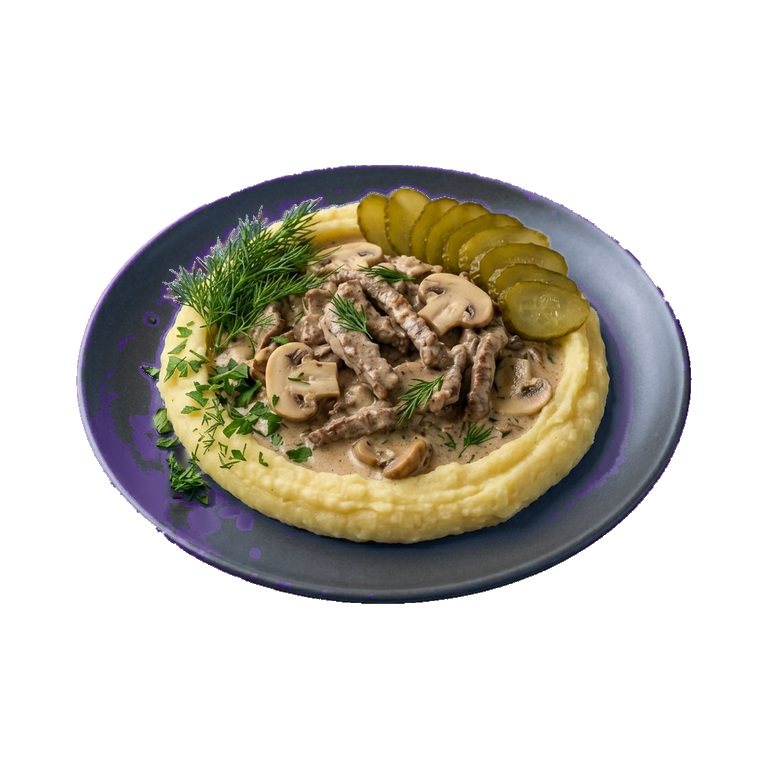
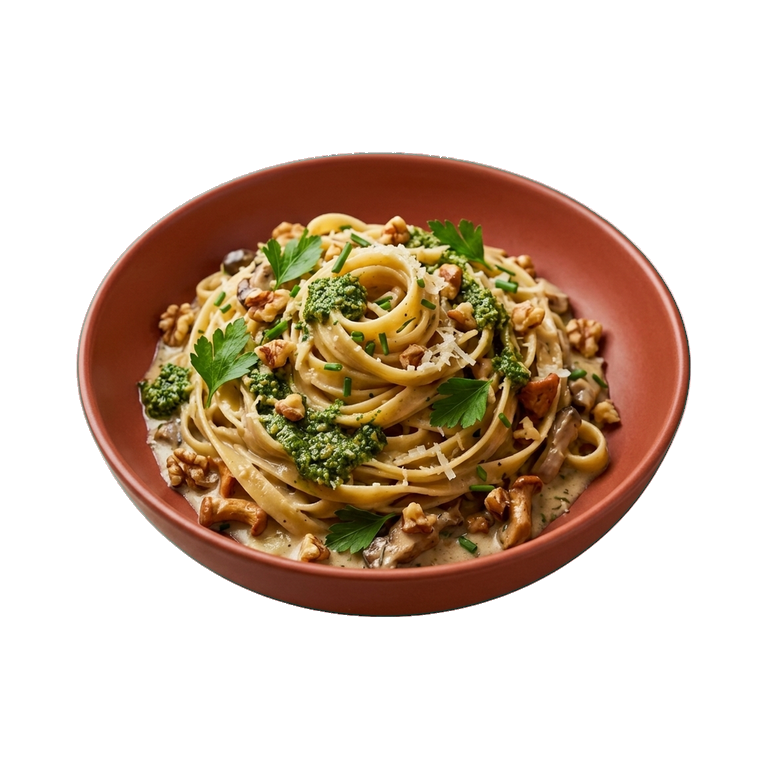
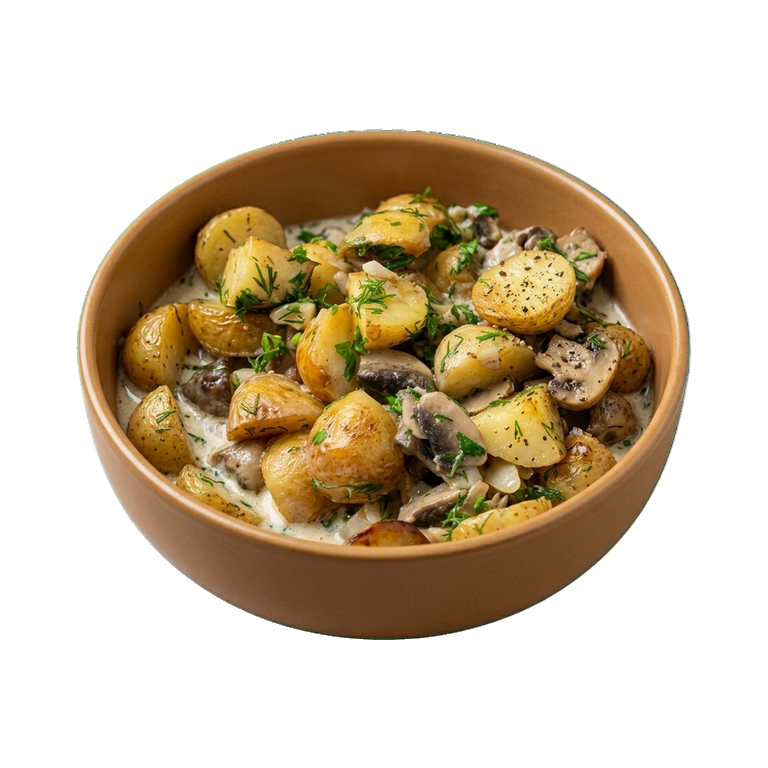
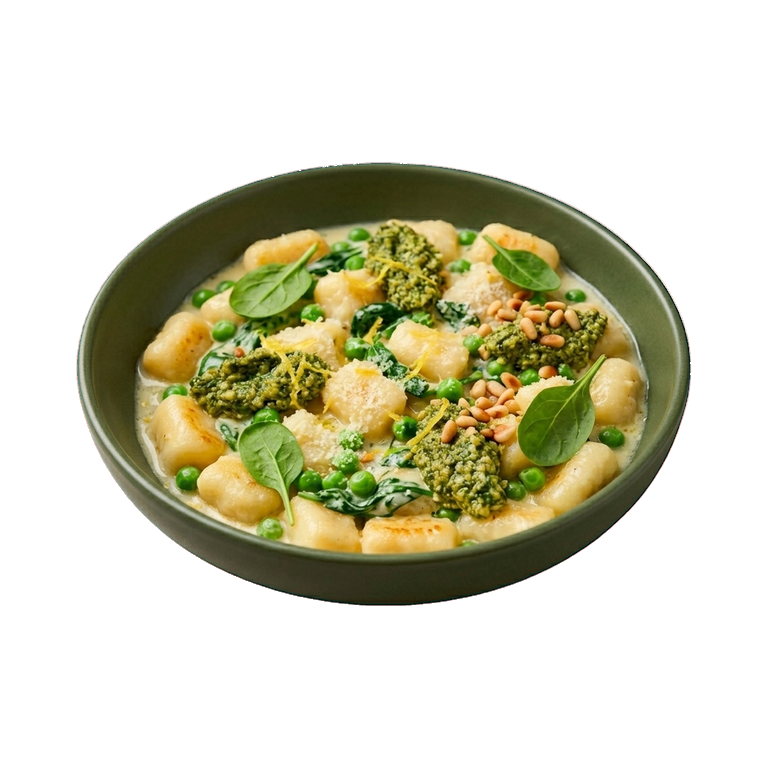
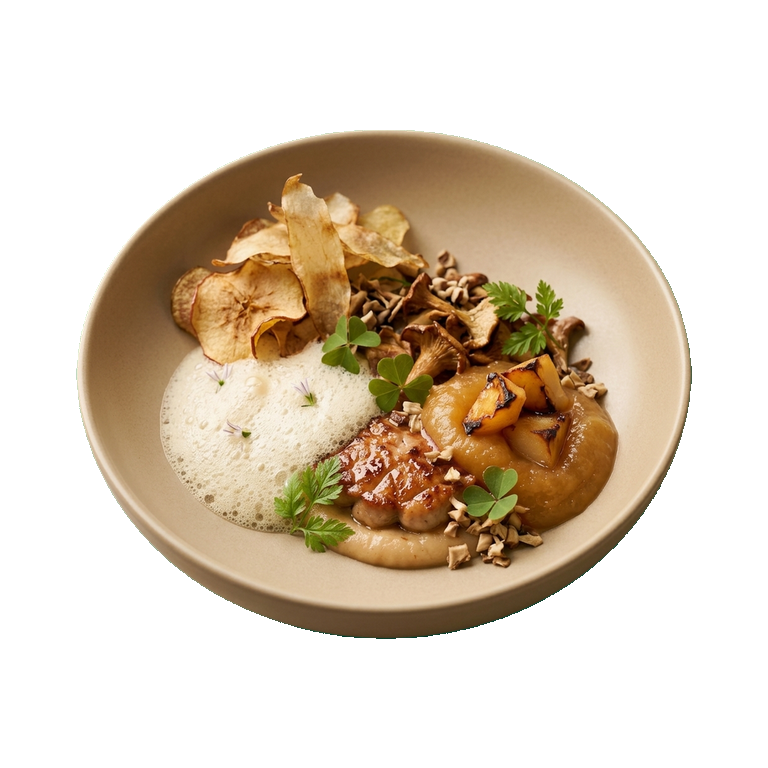
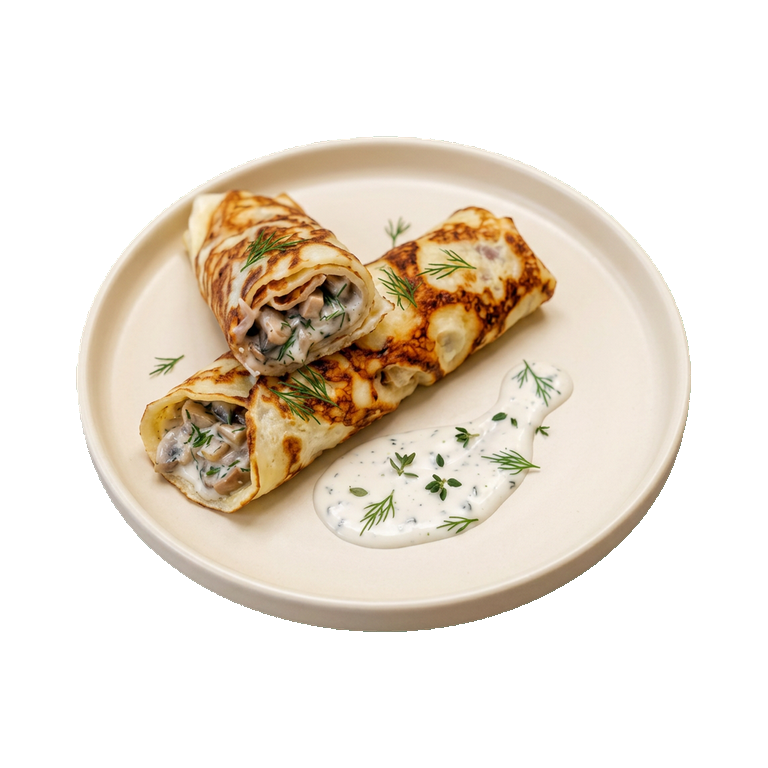
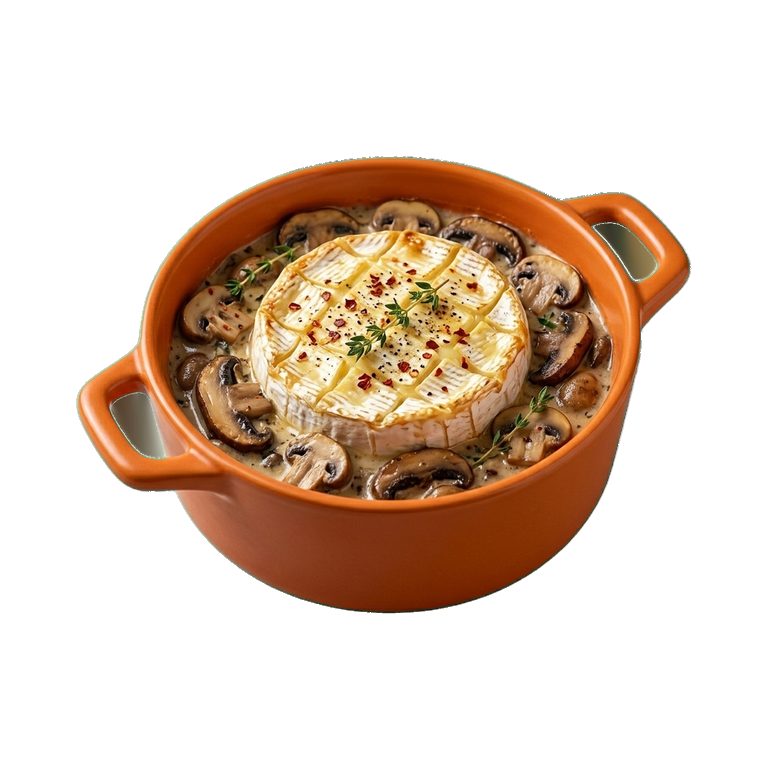
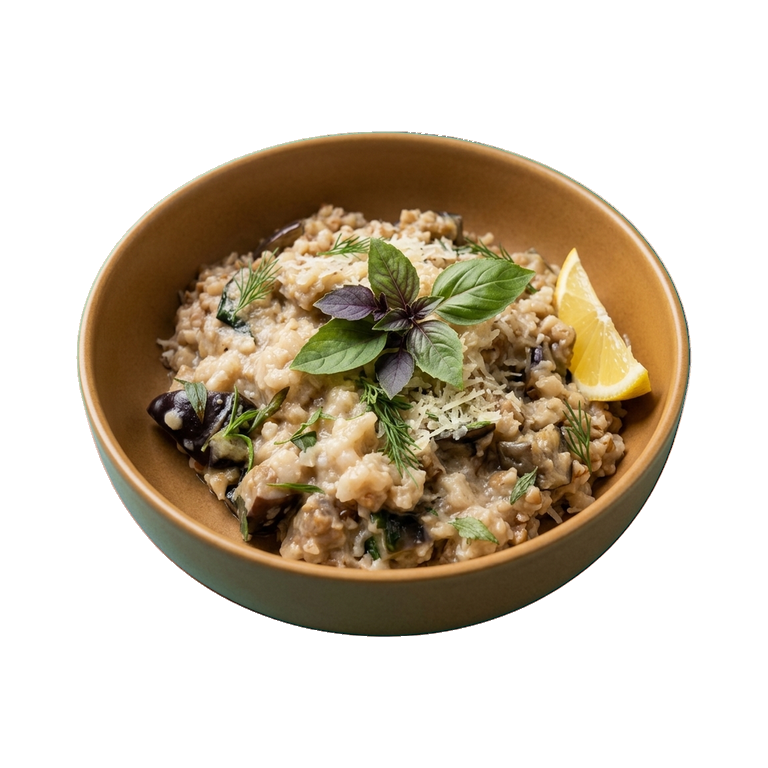
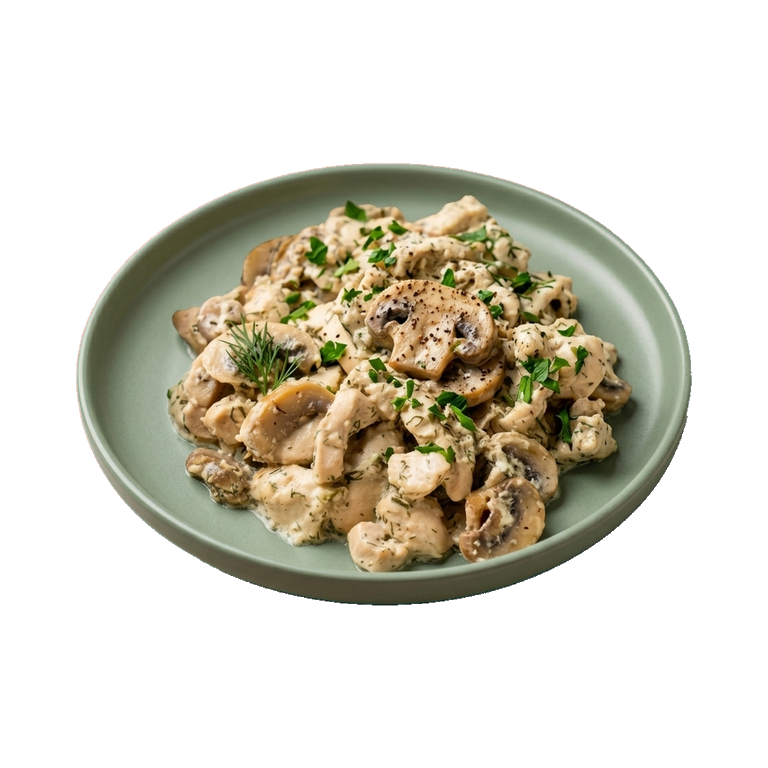
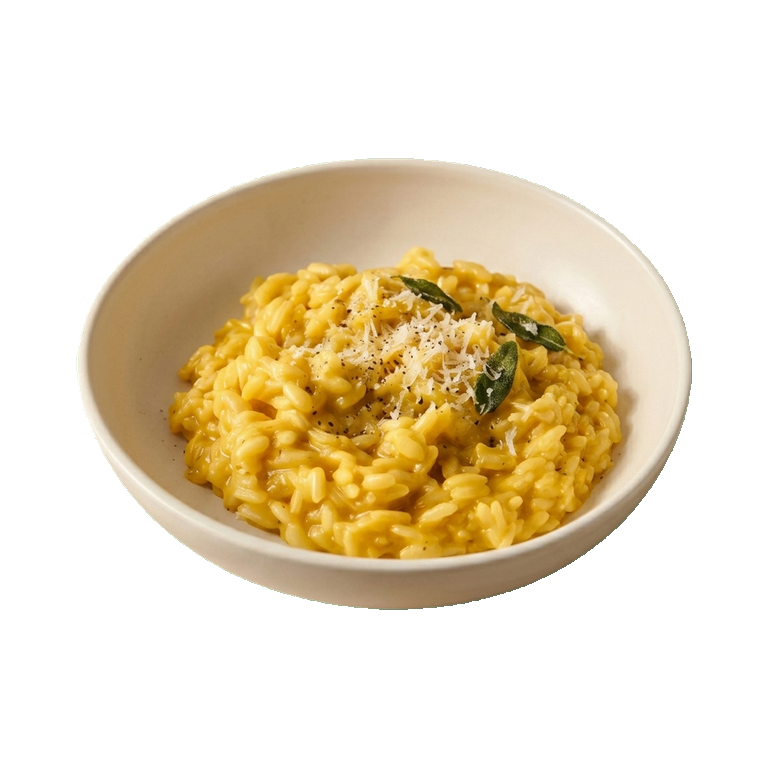
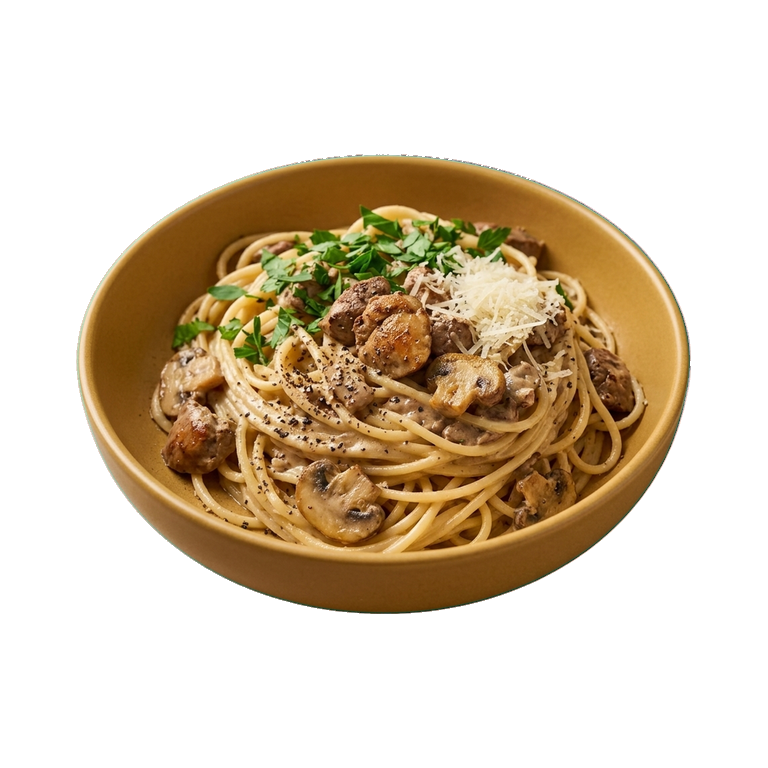
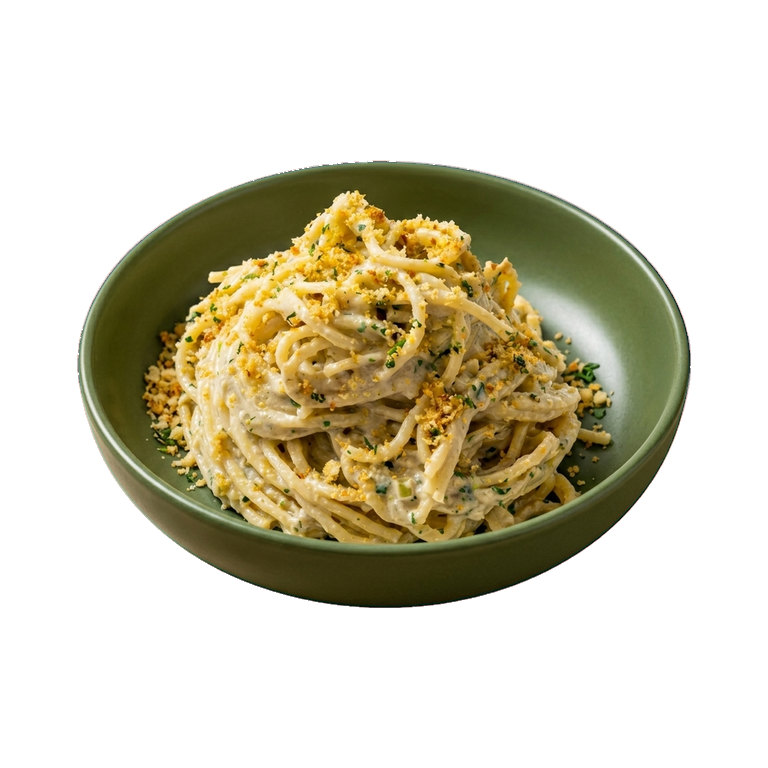
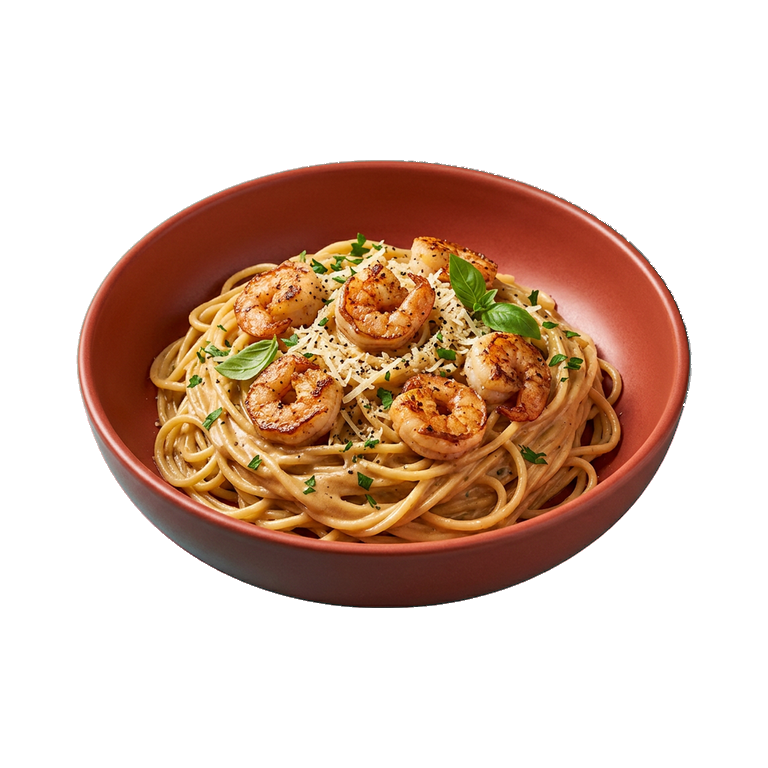
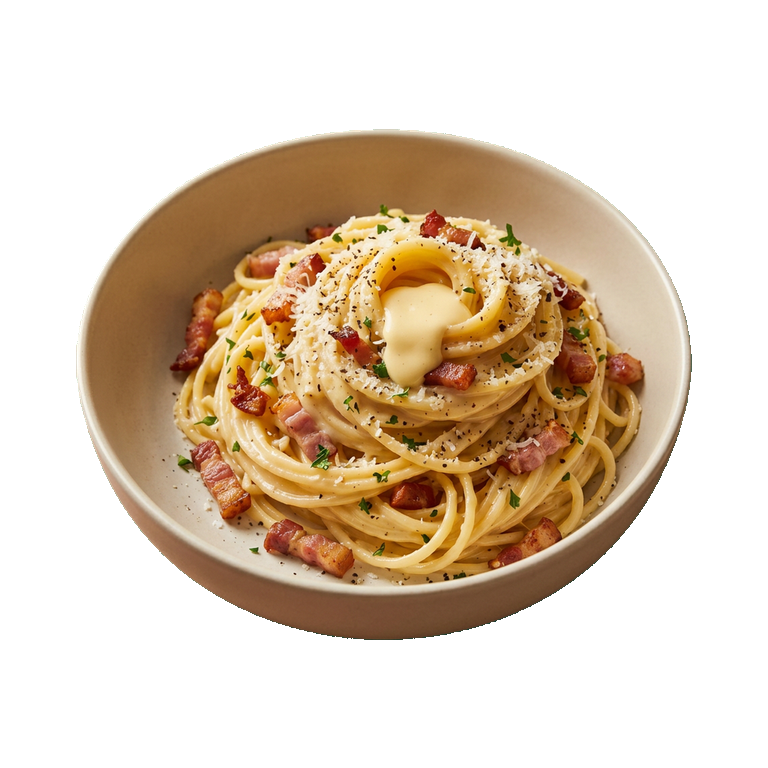
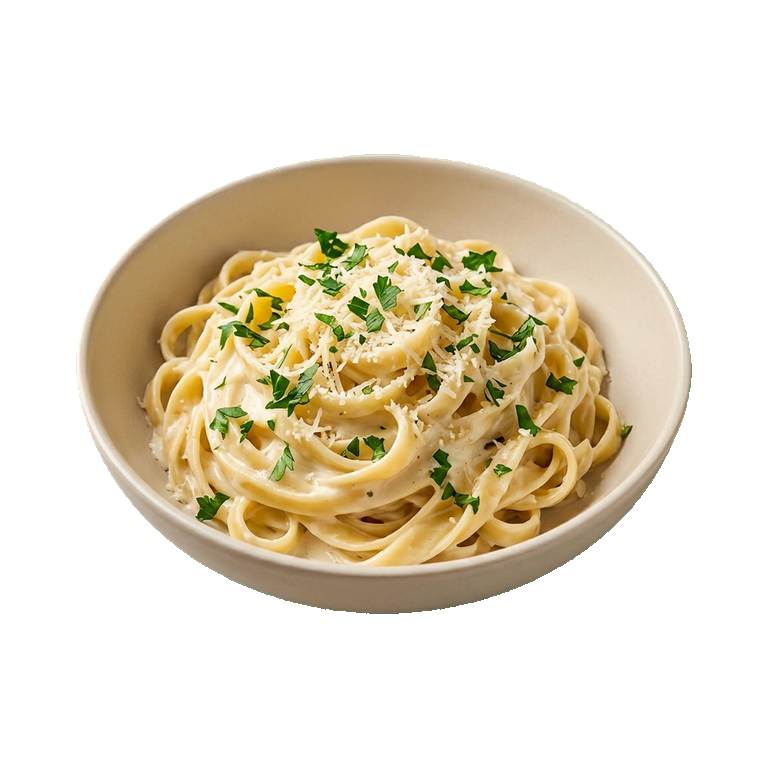
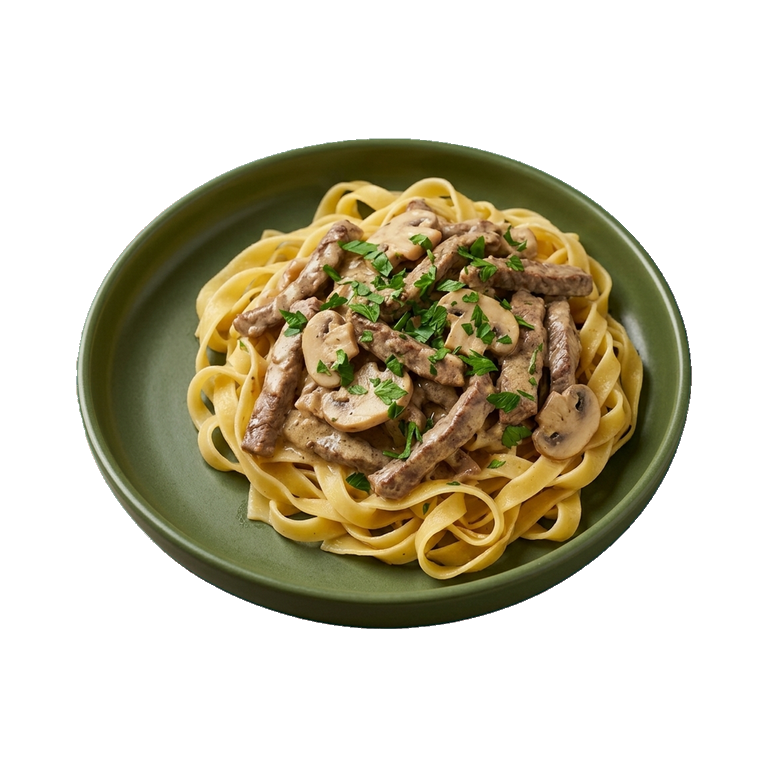
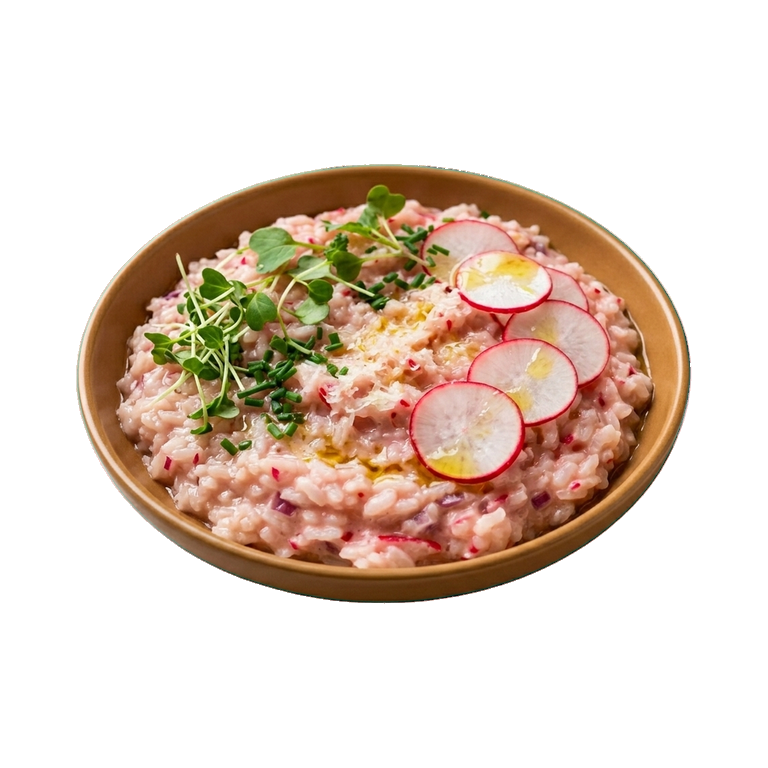
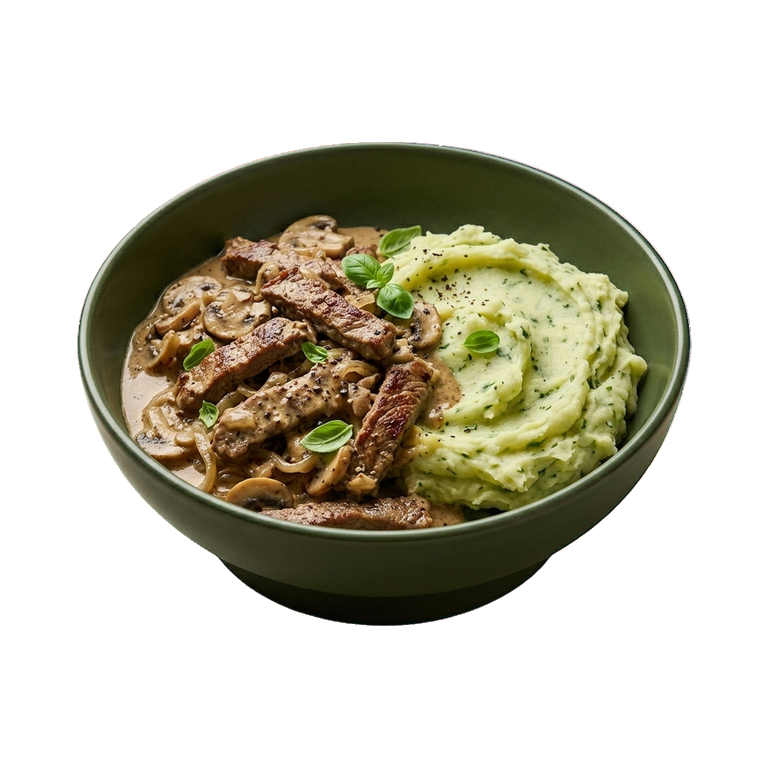
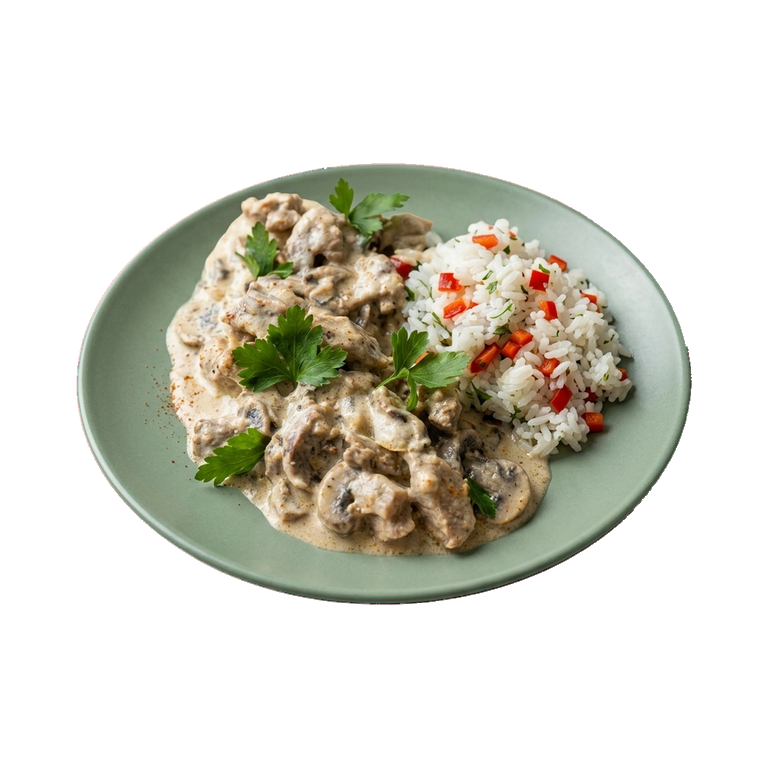
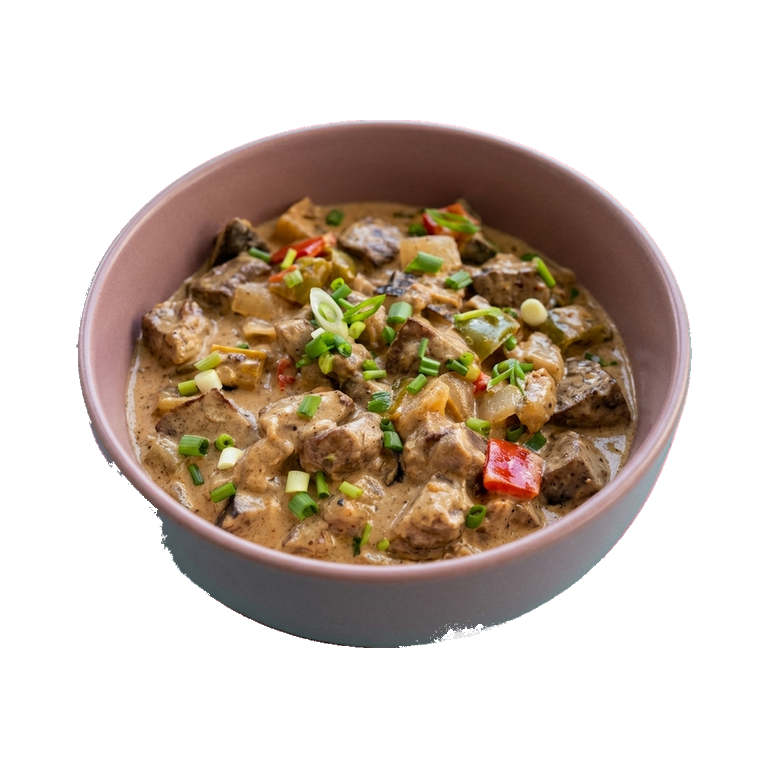
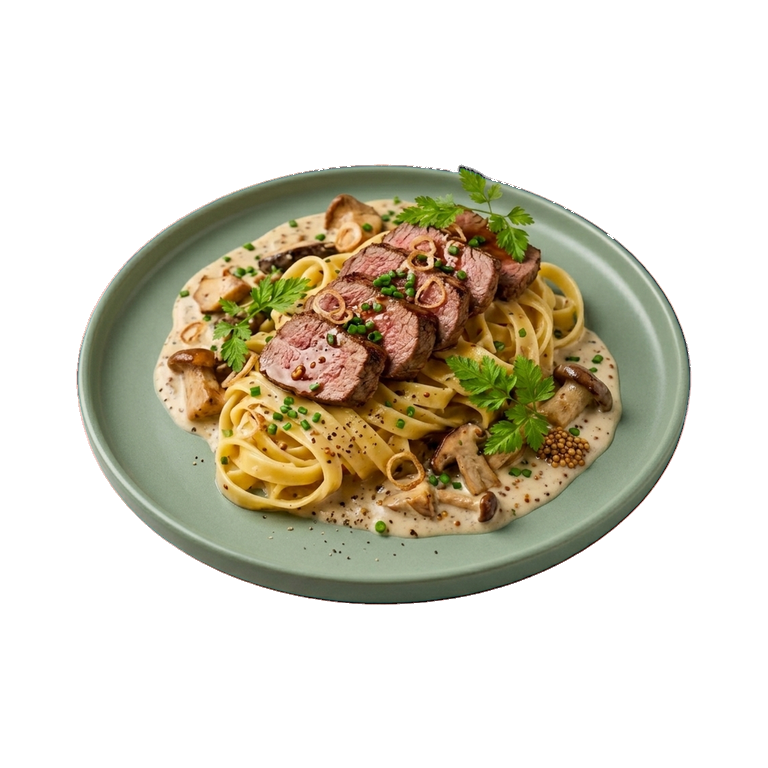
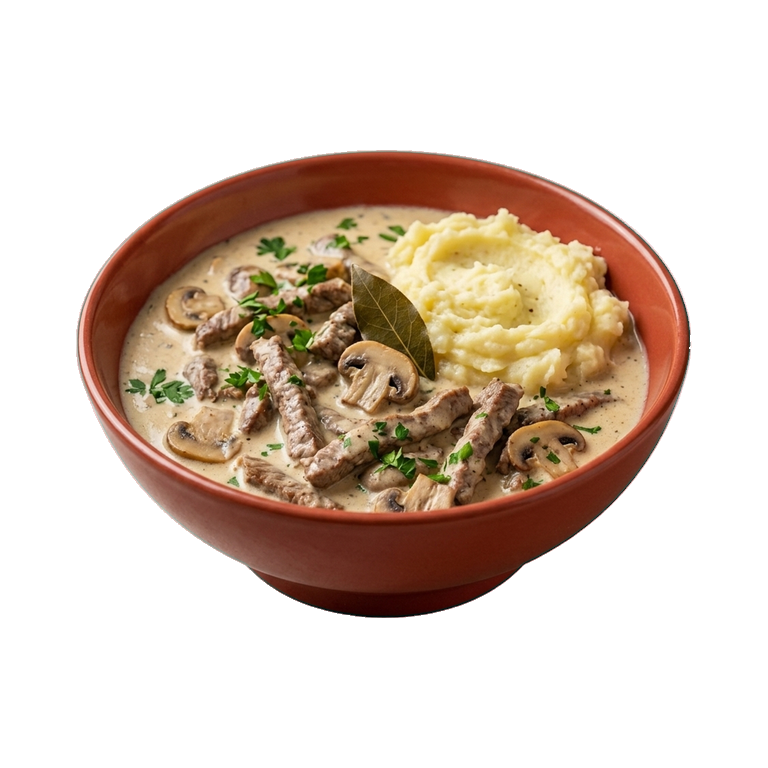
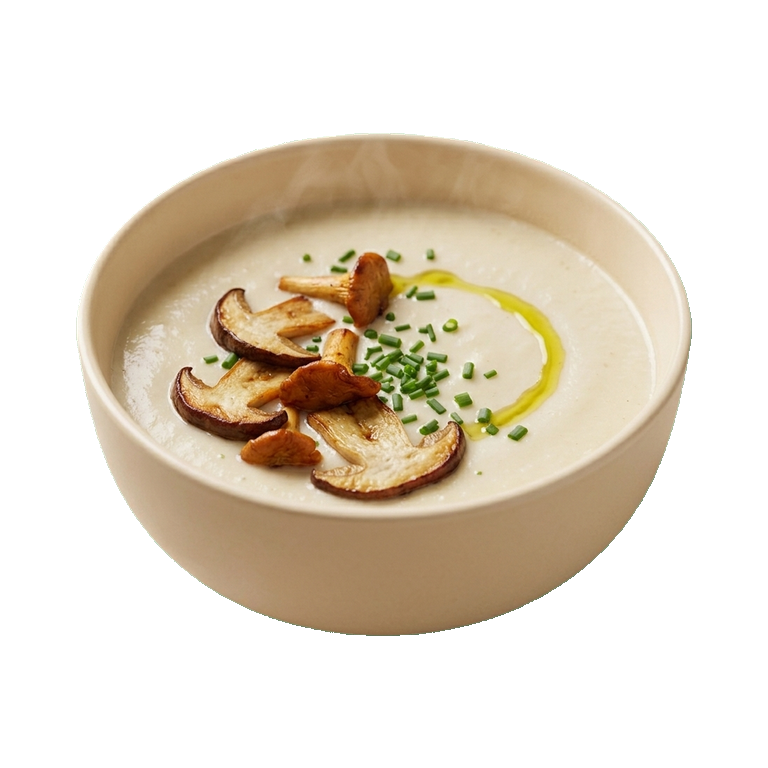
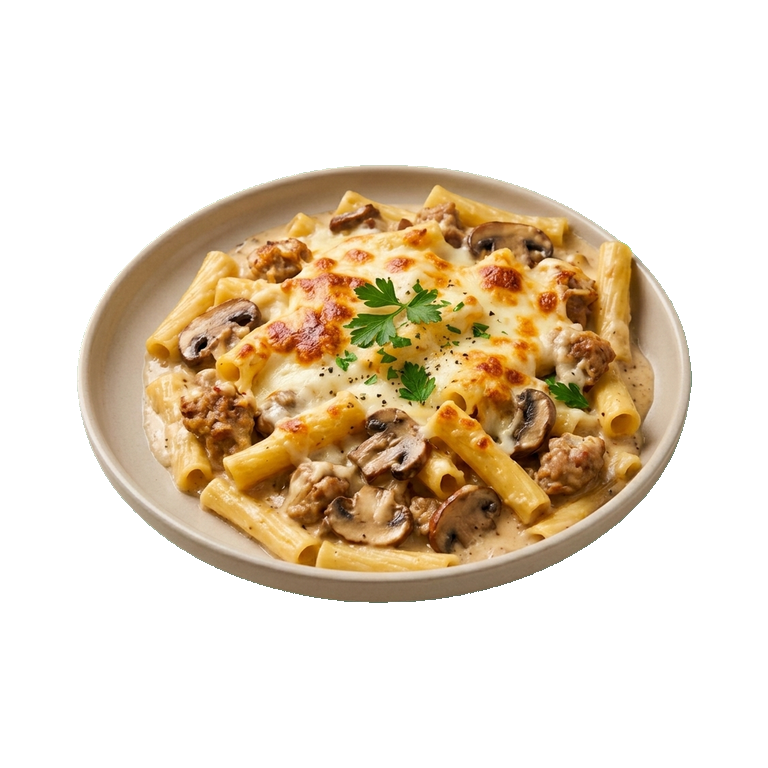
- With mushrooms — classic combination for pasta, risotto and stew
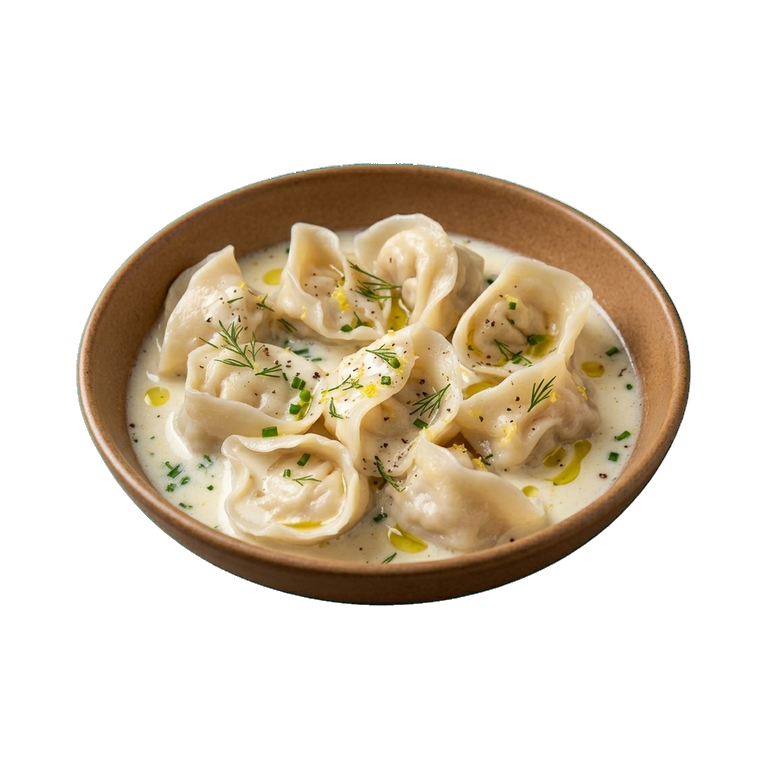
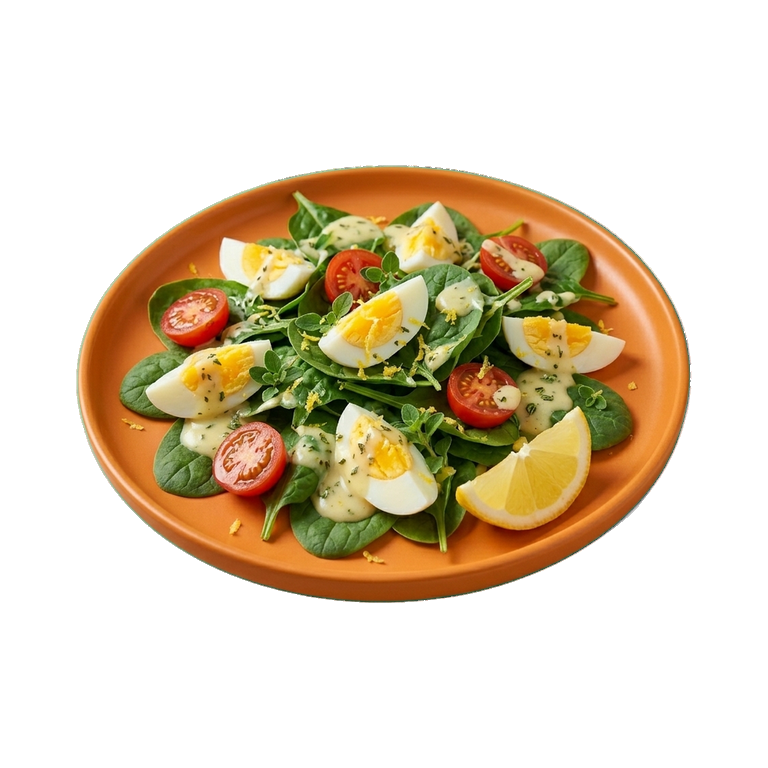
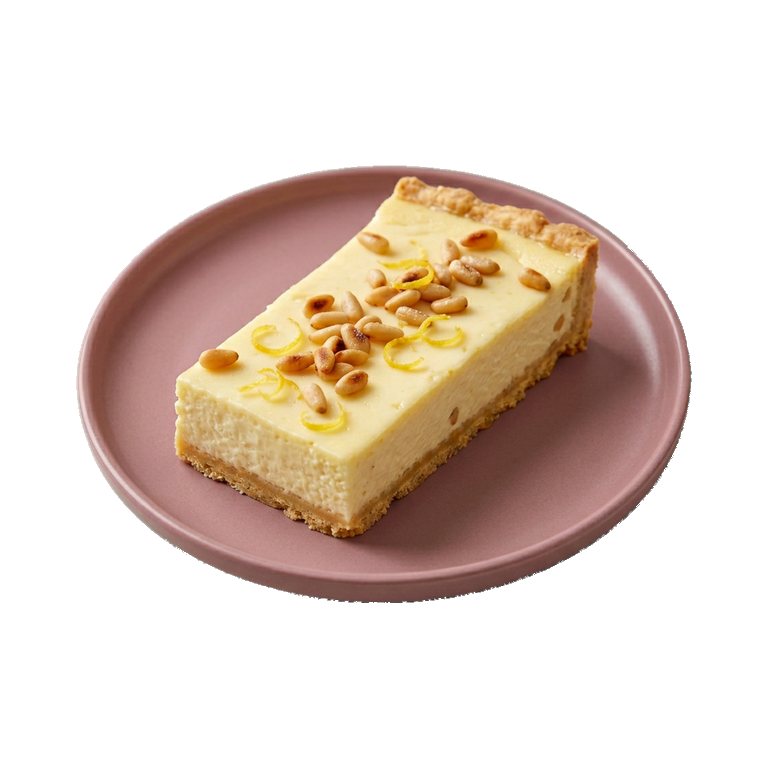
- With lemon and mustard — in light sauces for vegetables and poultry
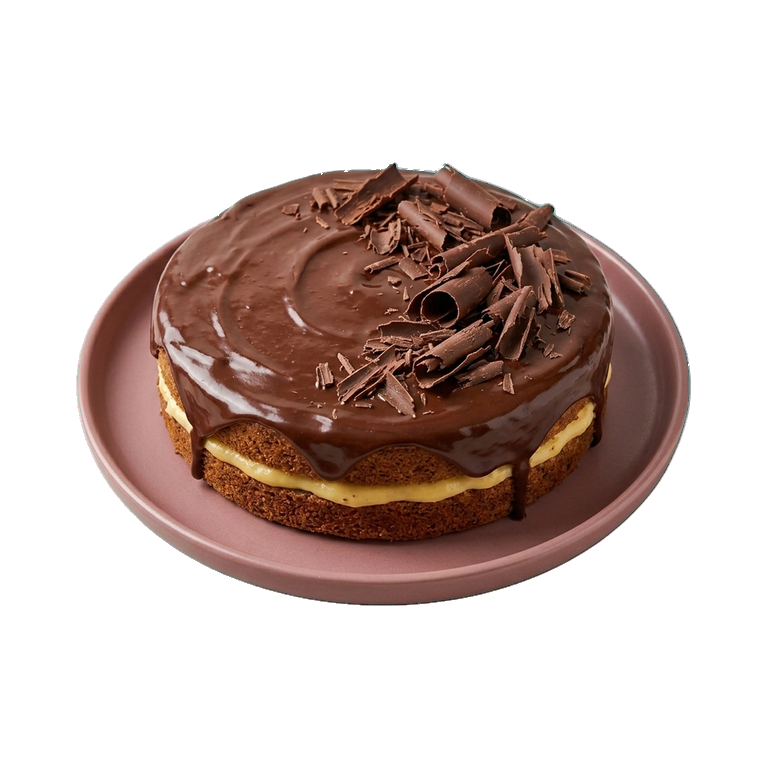
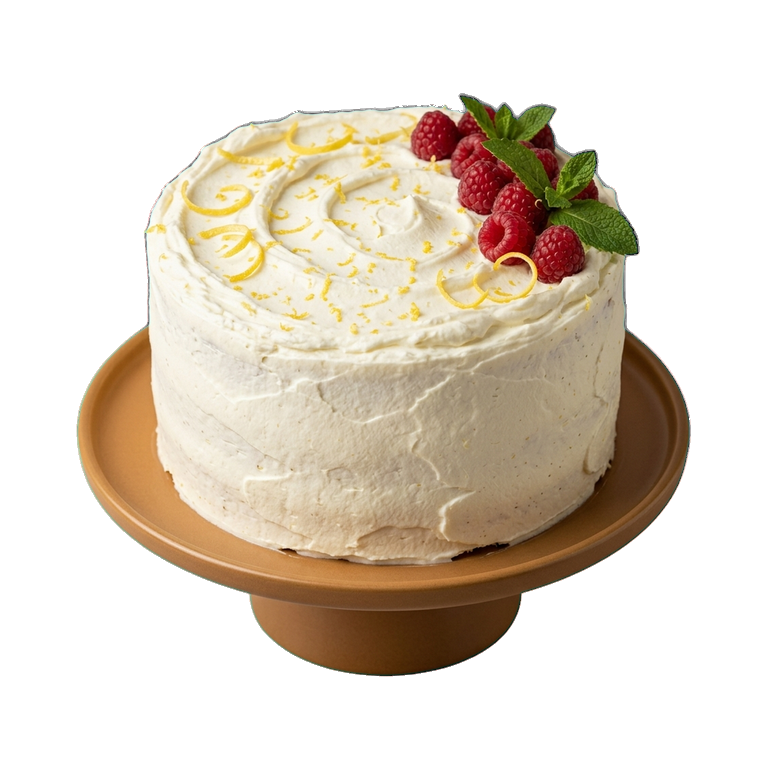
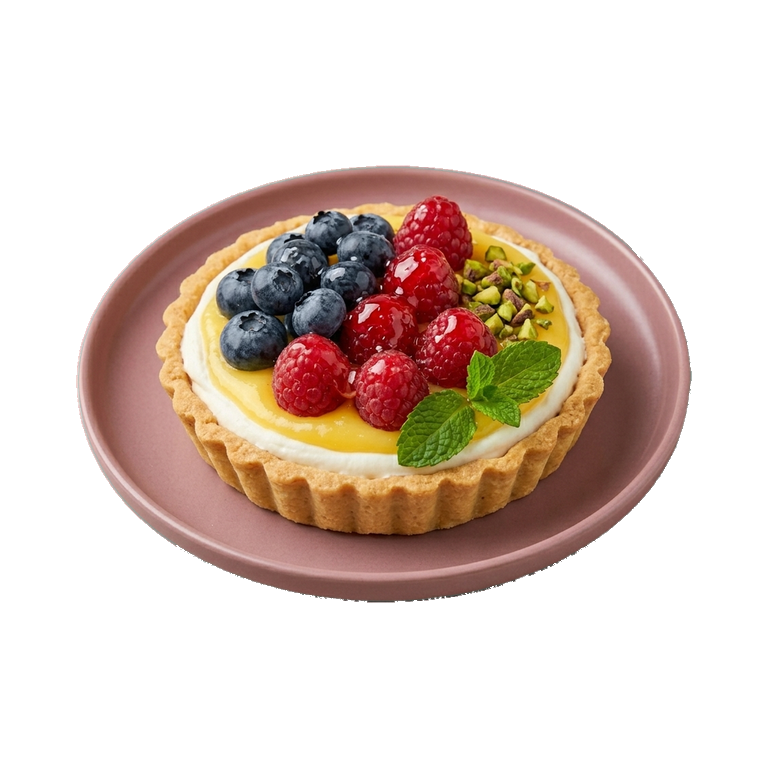
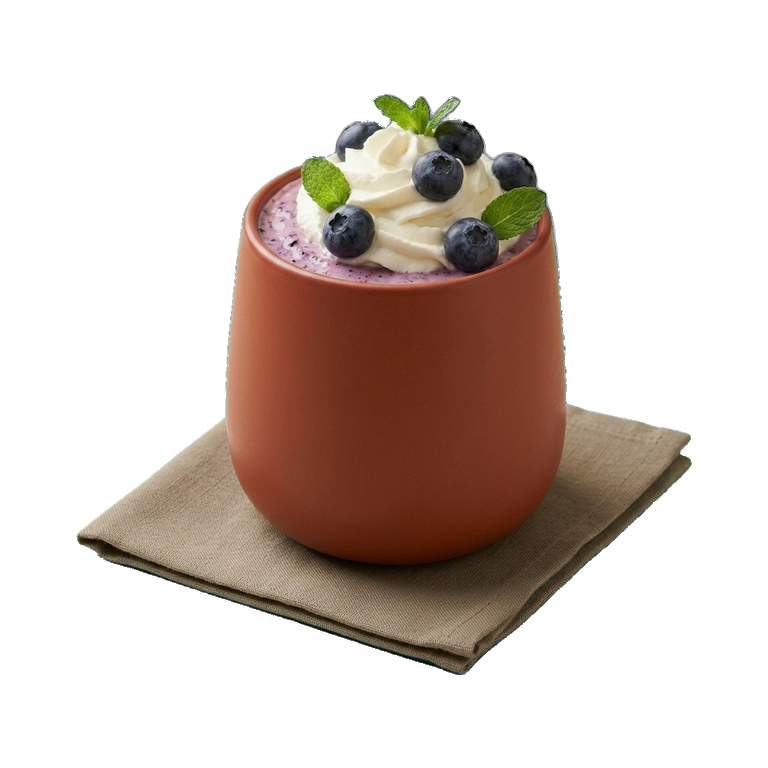
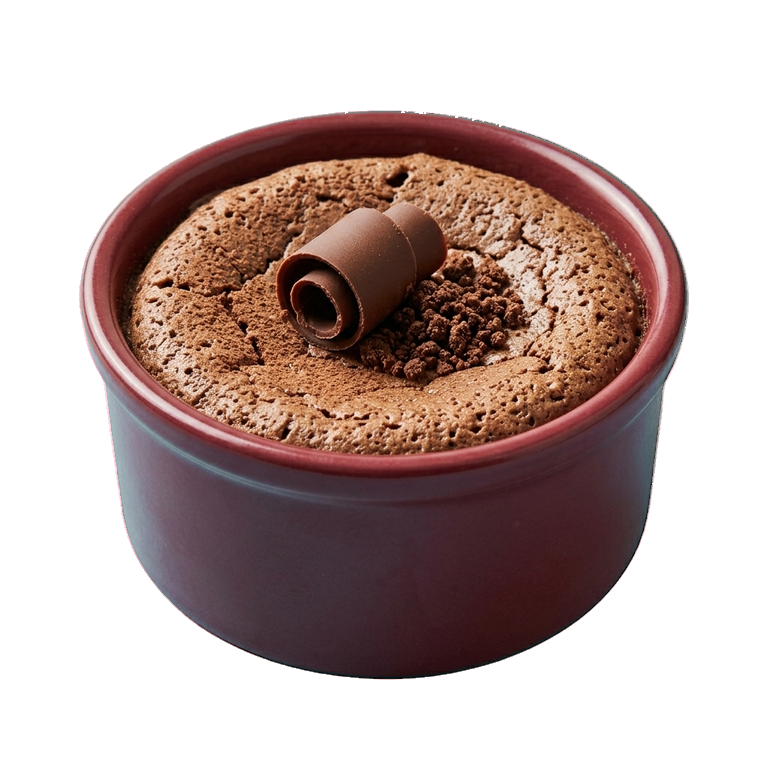
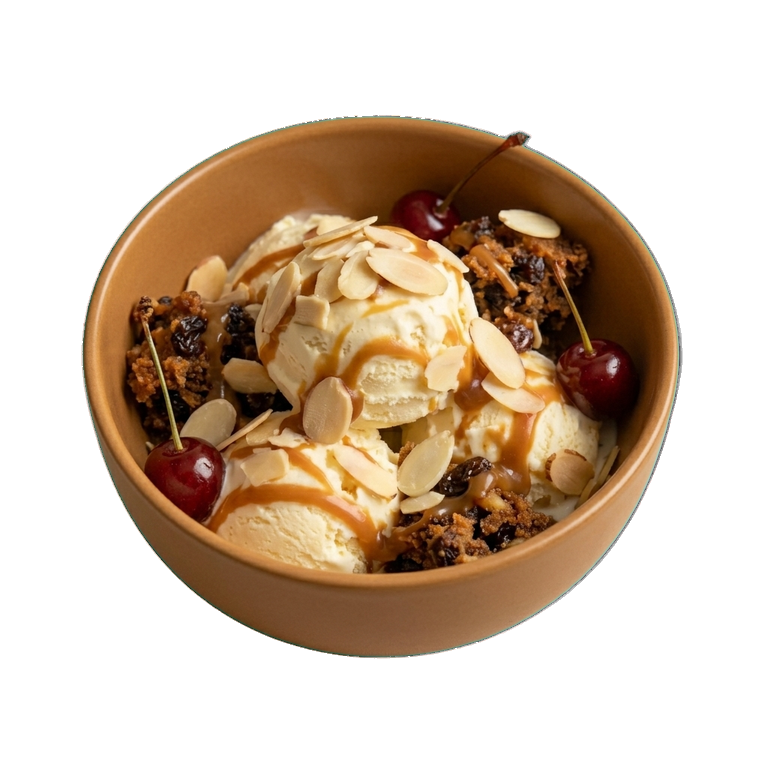
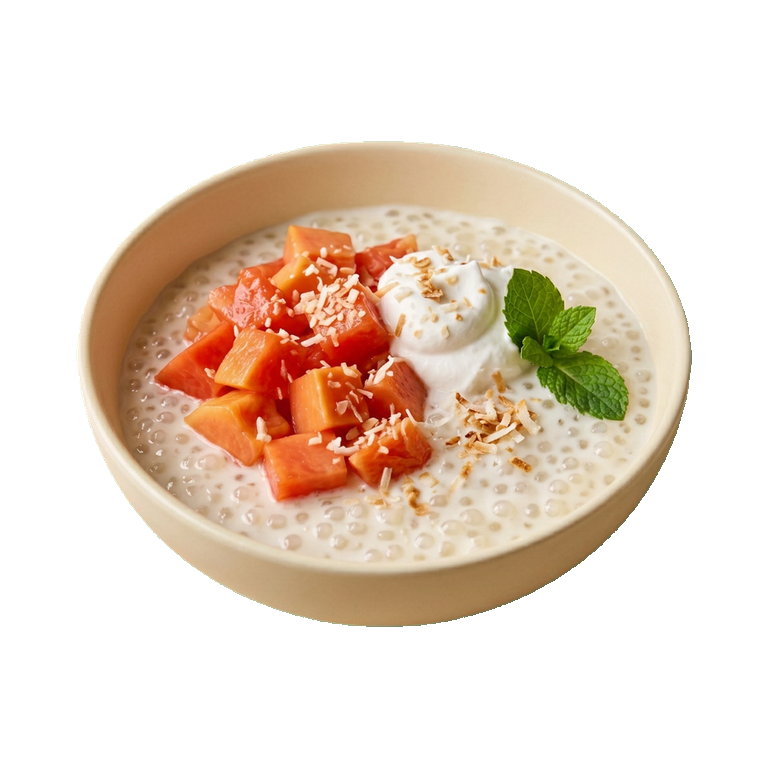
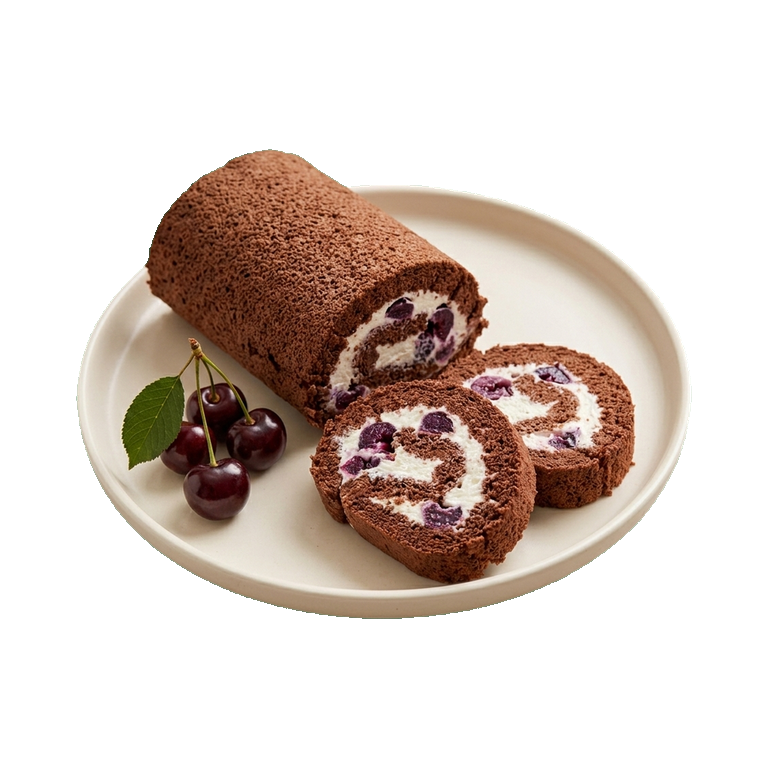
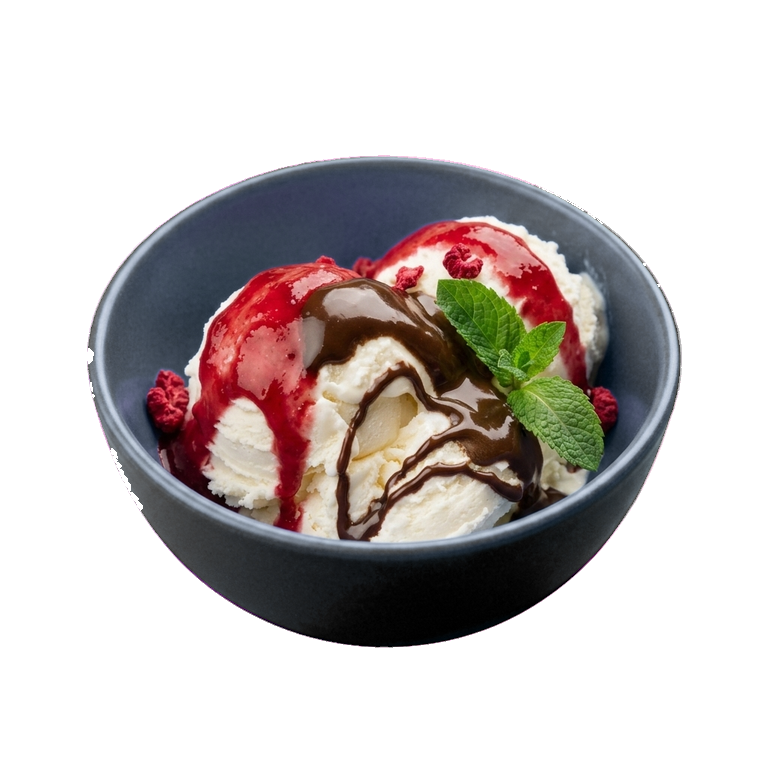
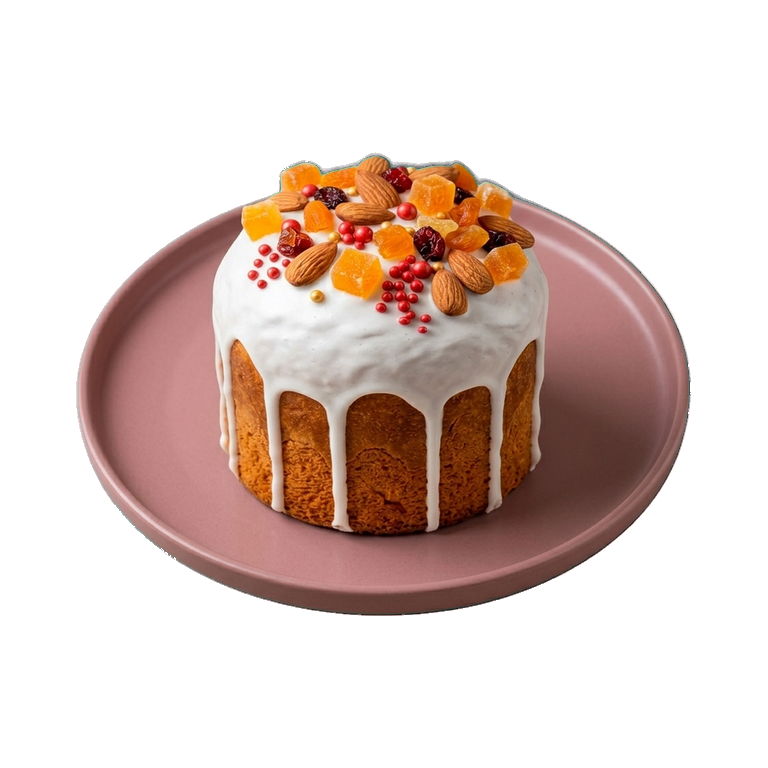
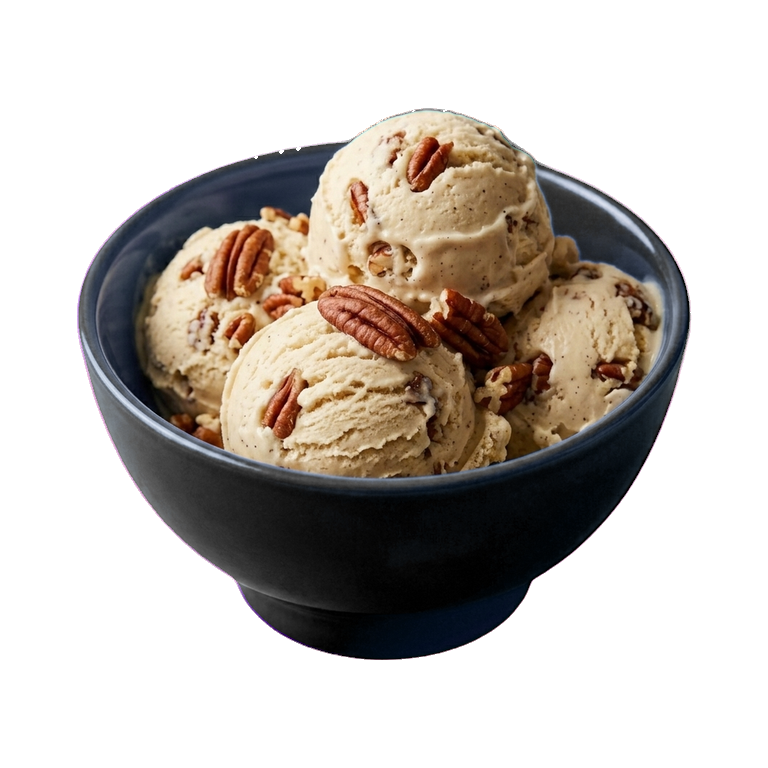
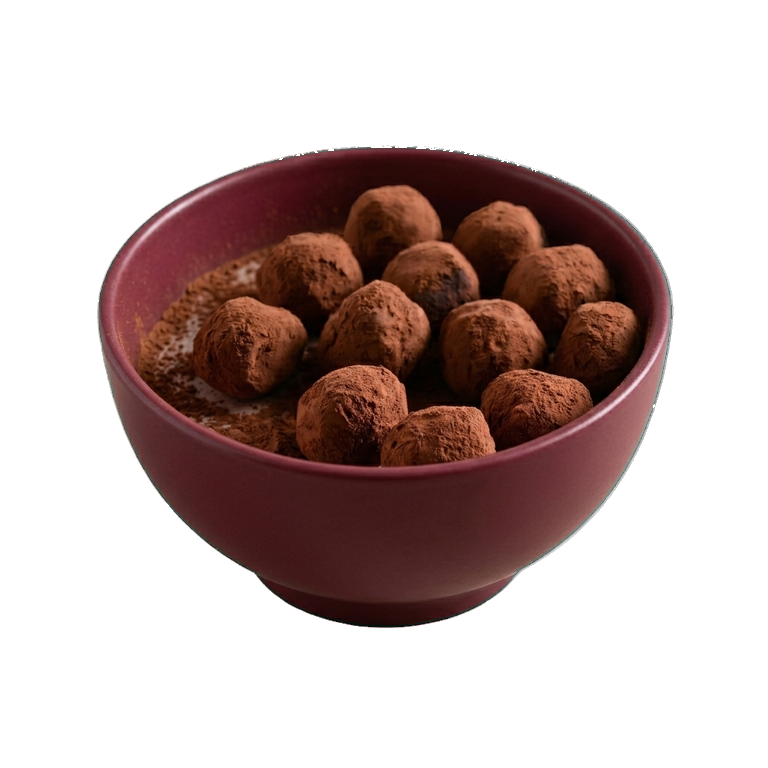
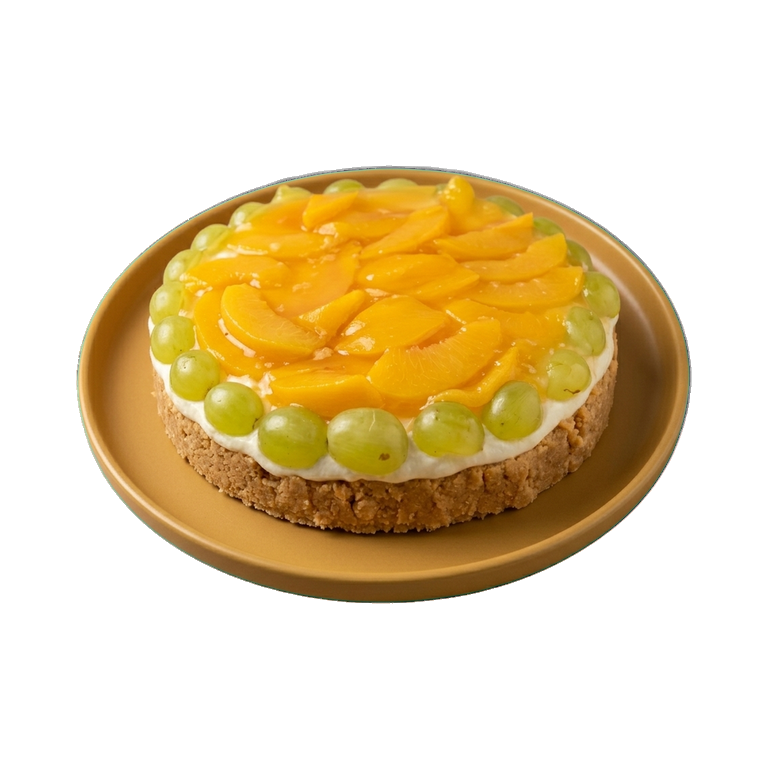
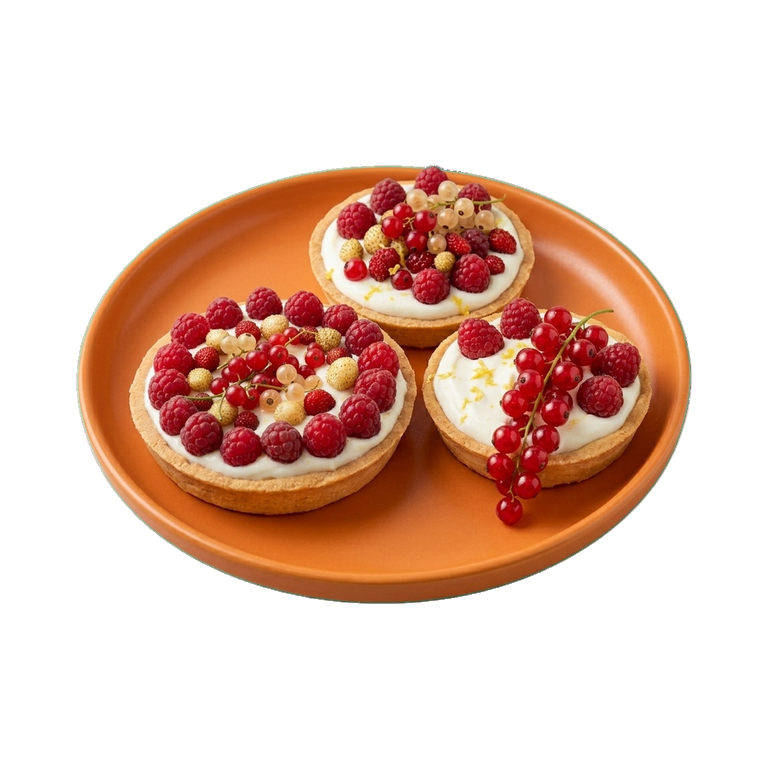
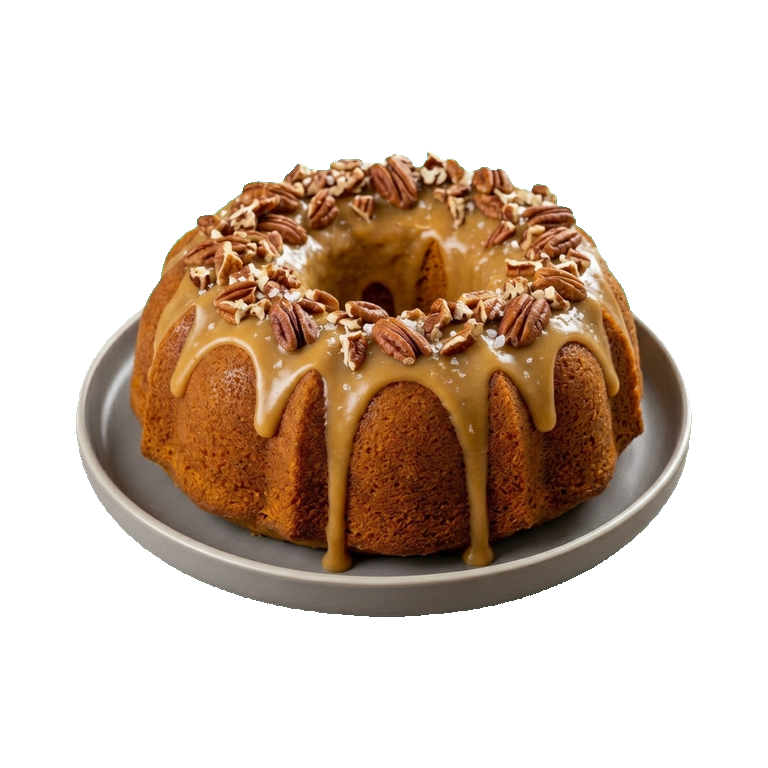
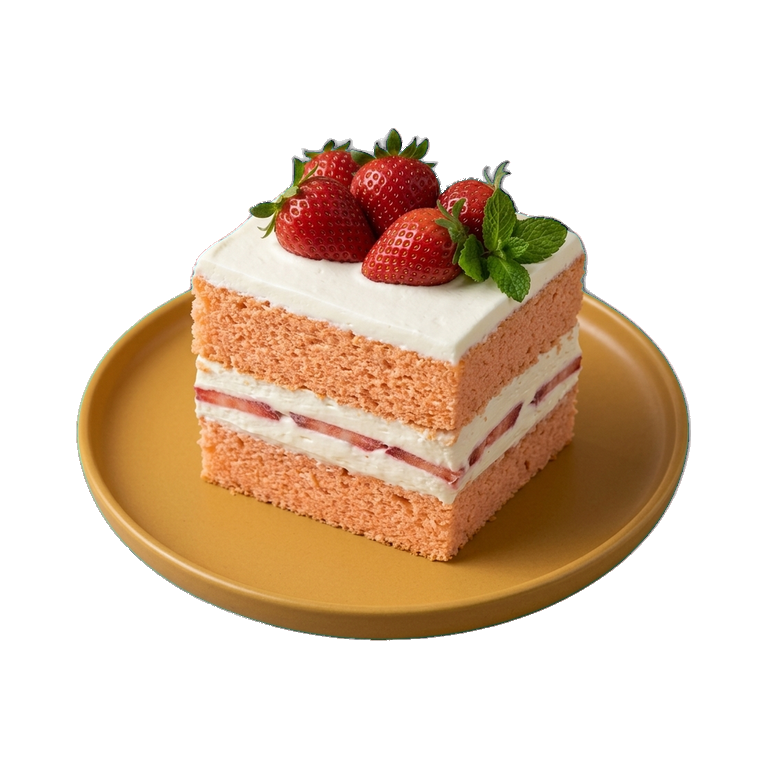
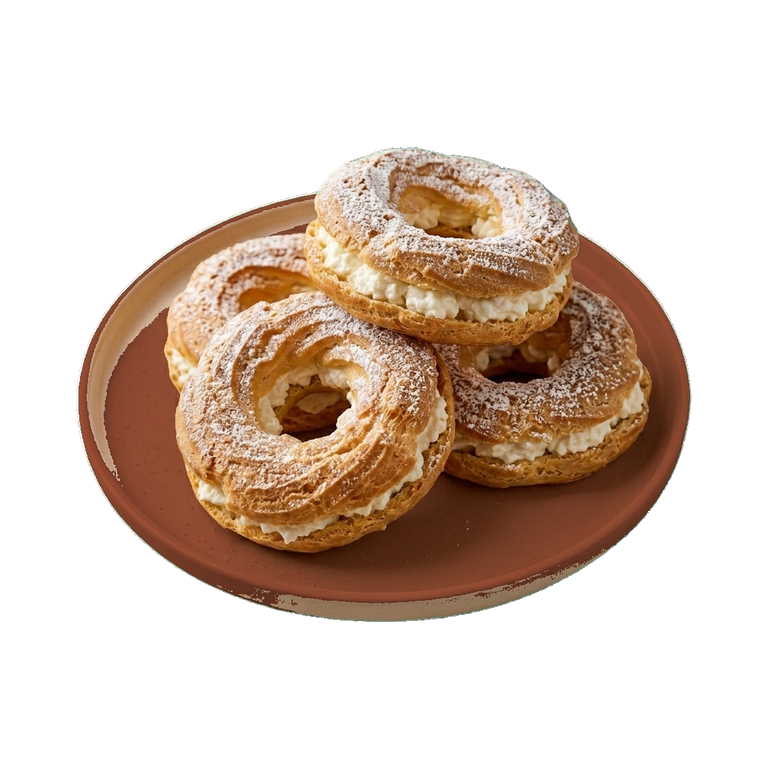
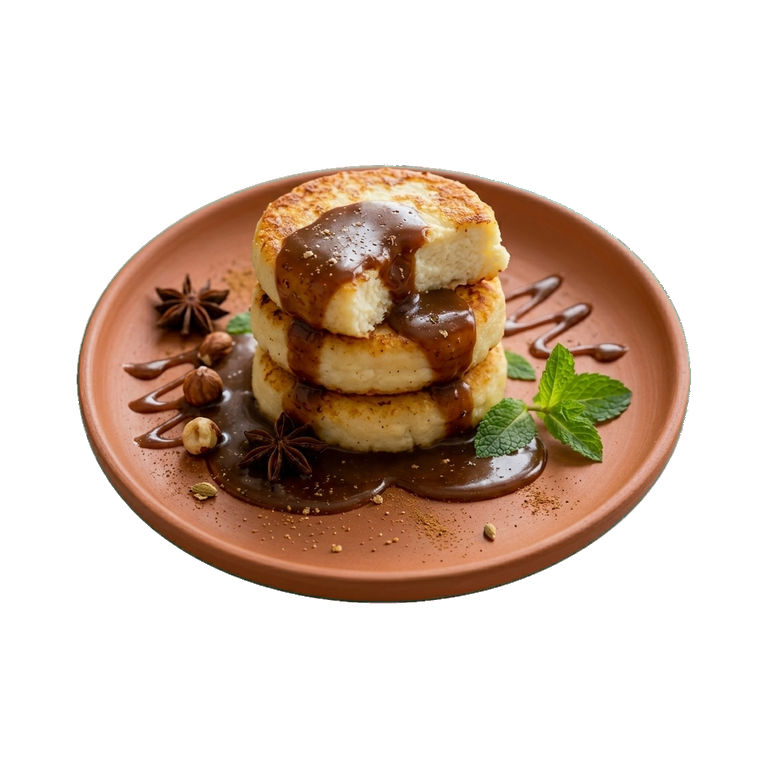
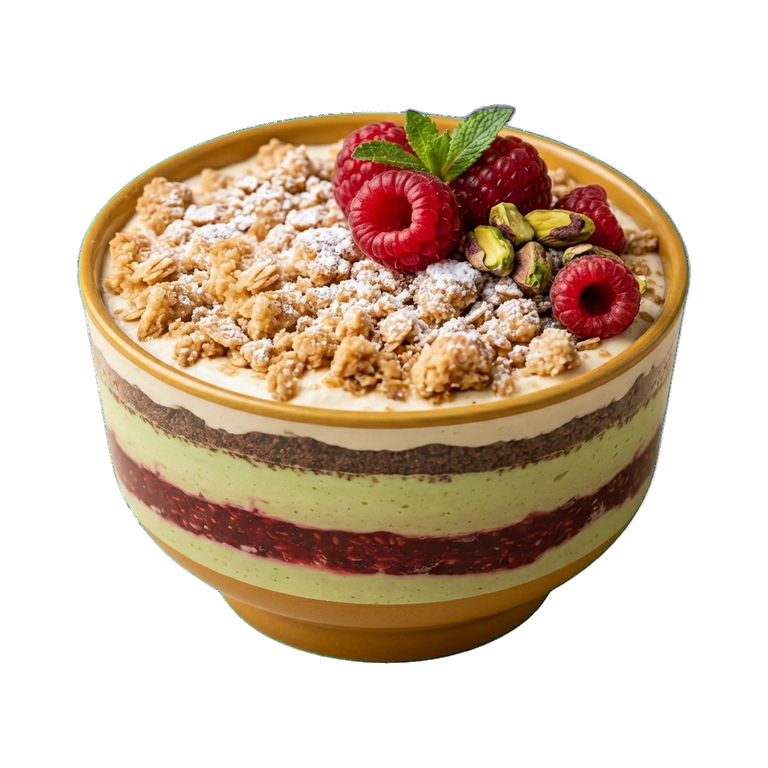
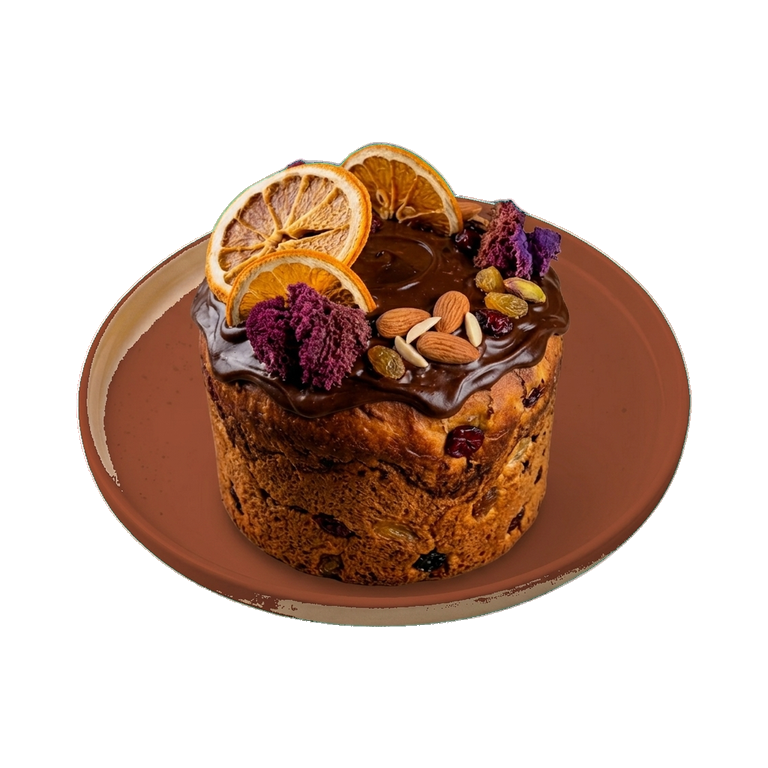
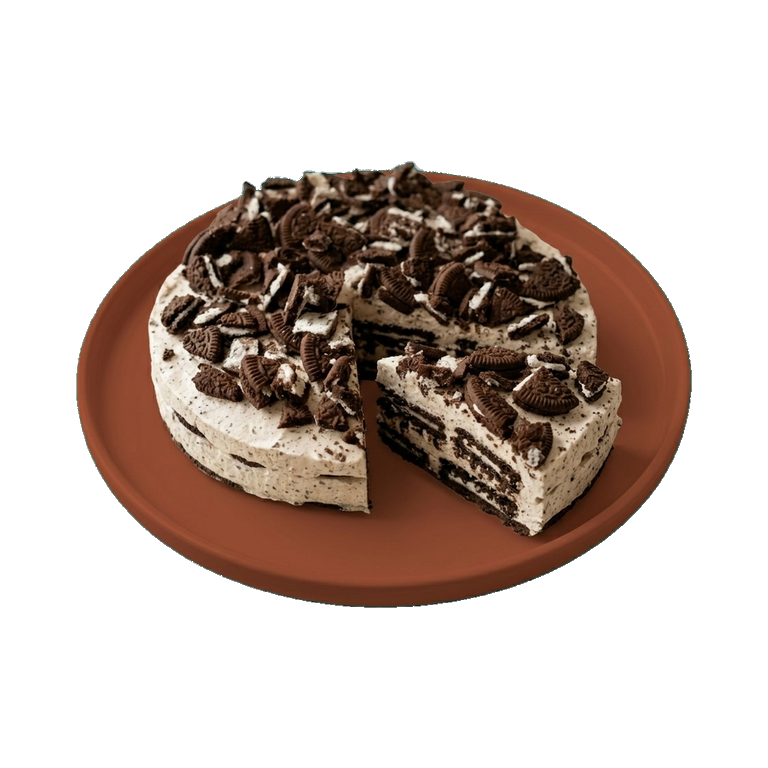
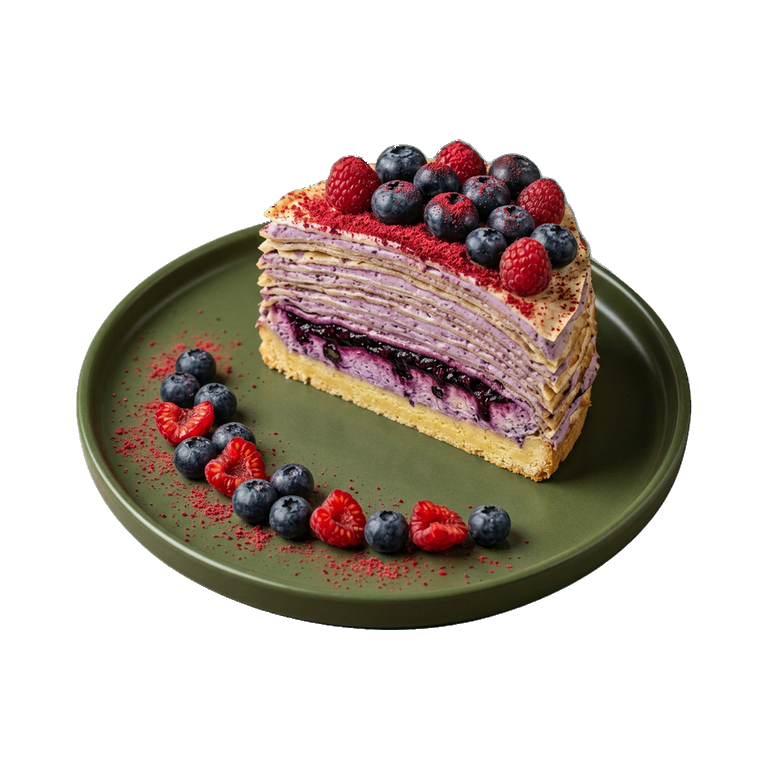
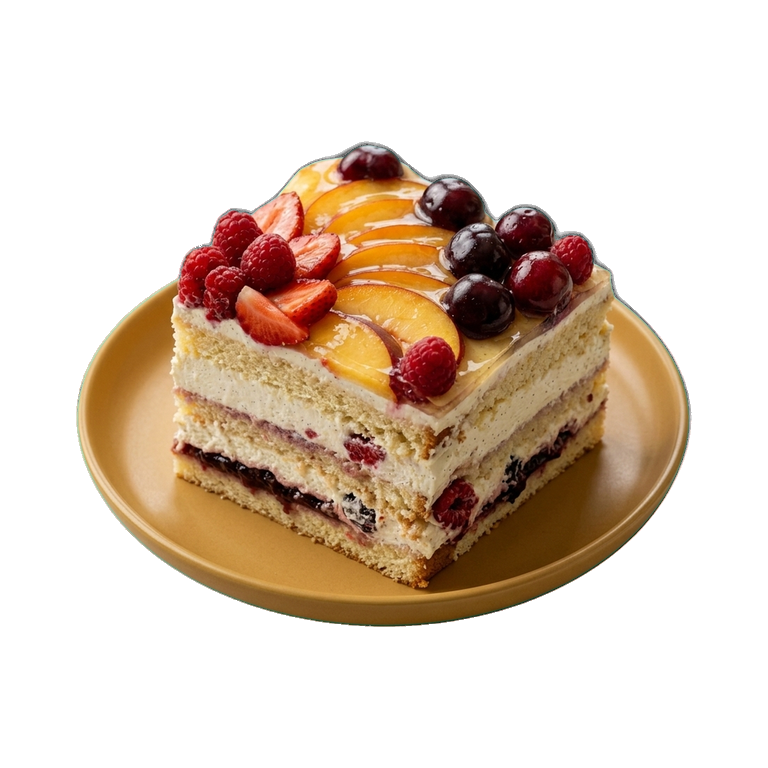
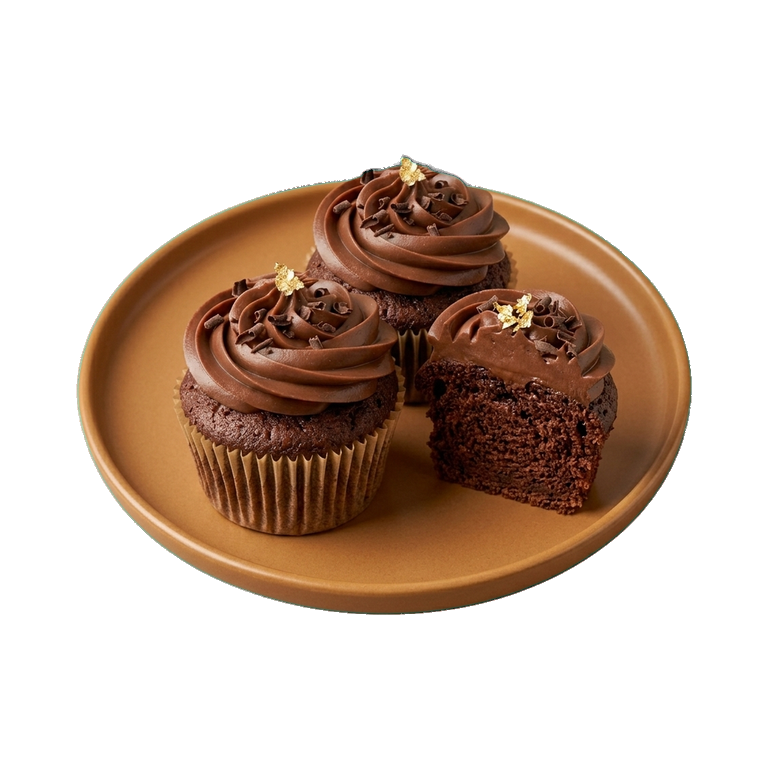
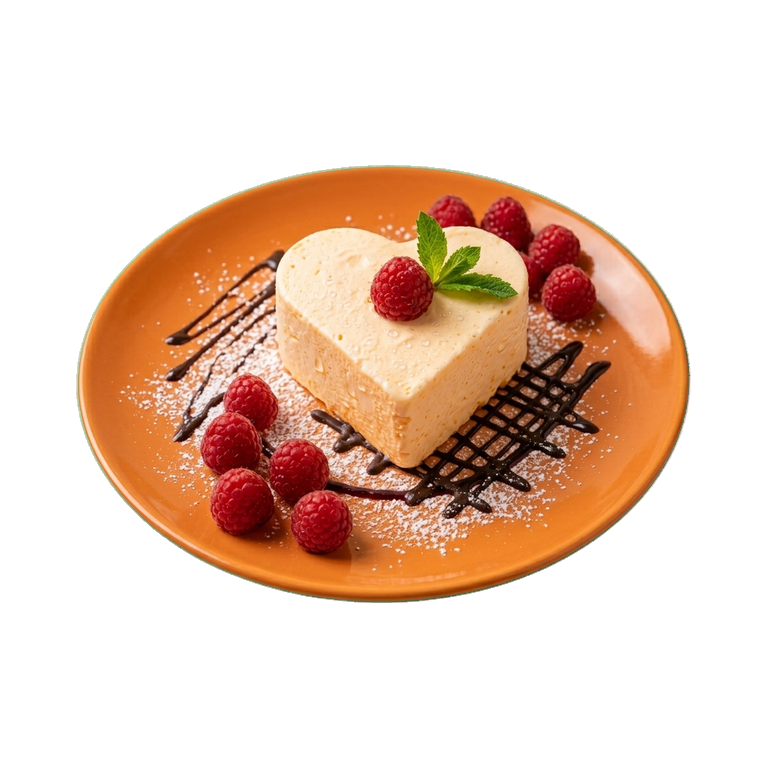
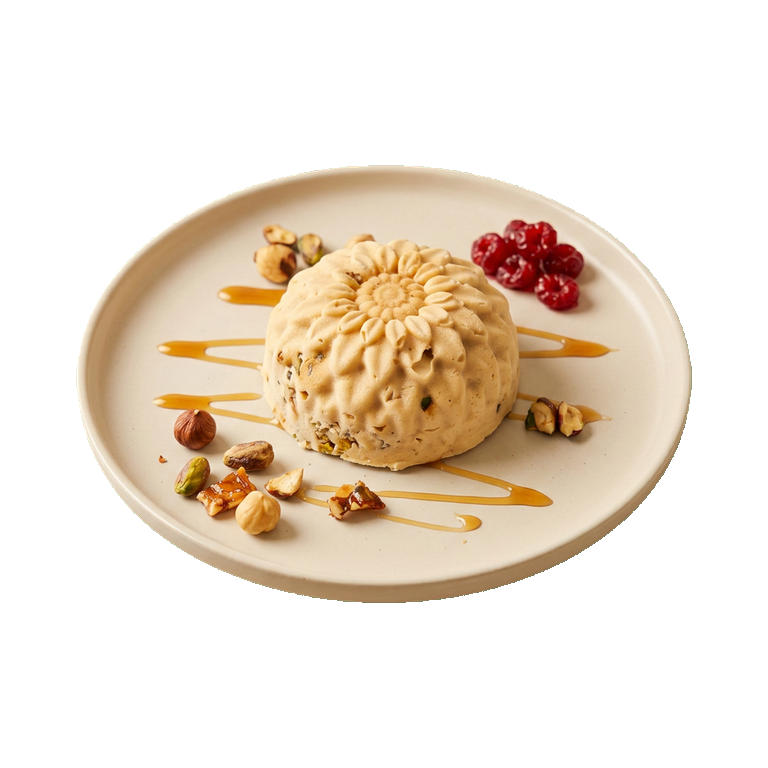
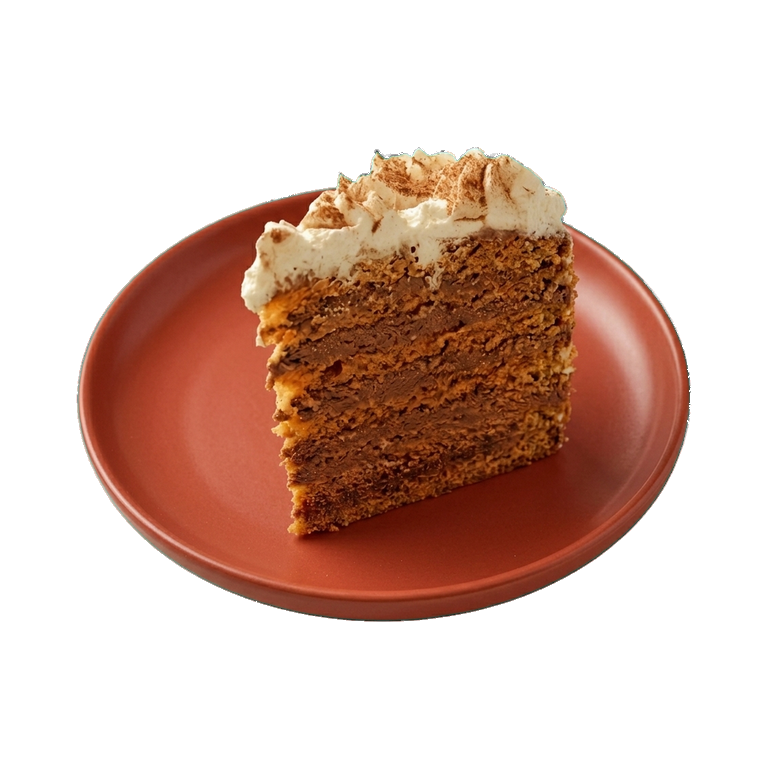
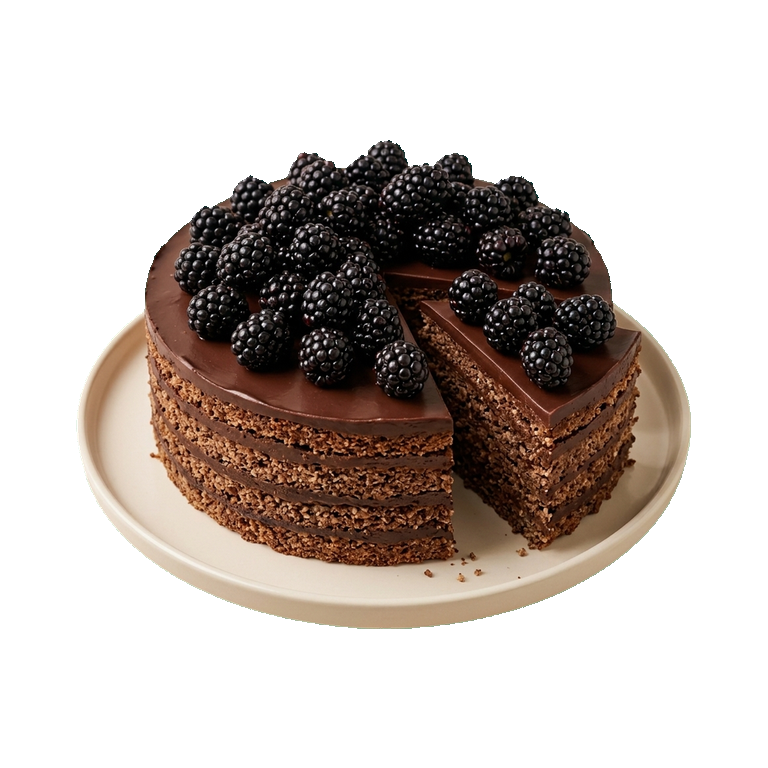
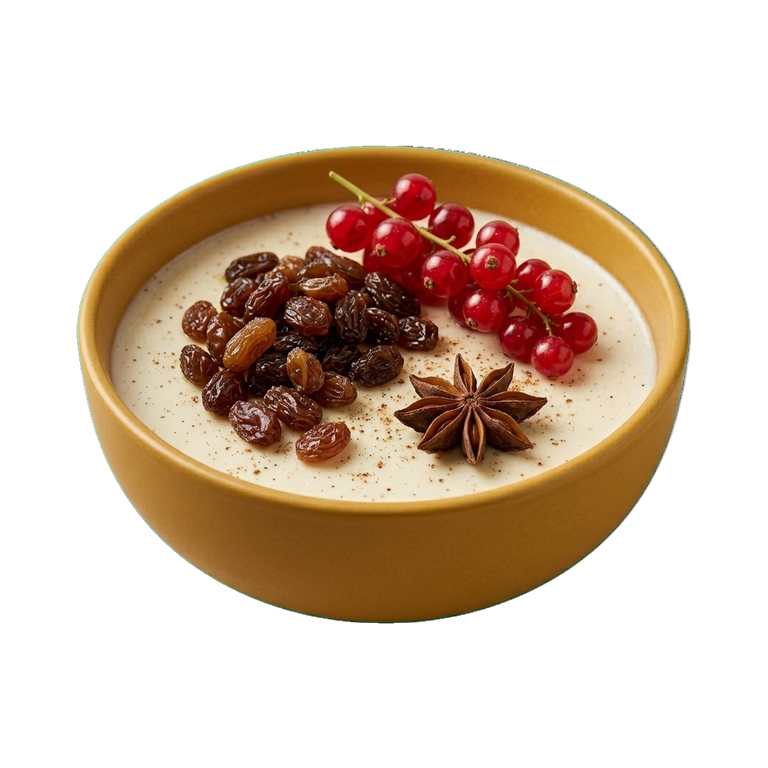
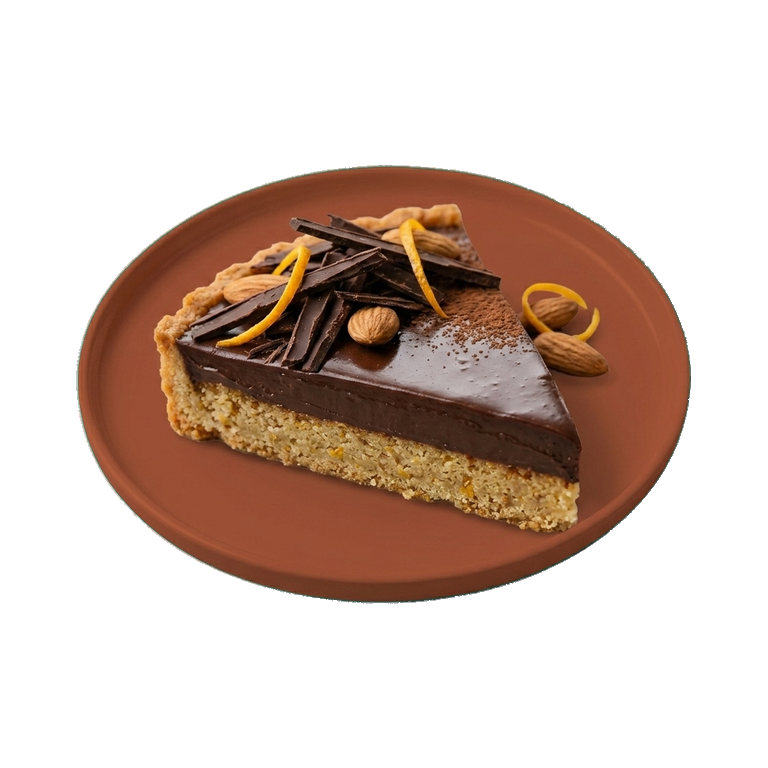
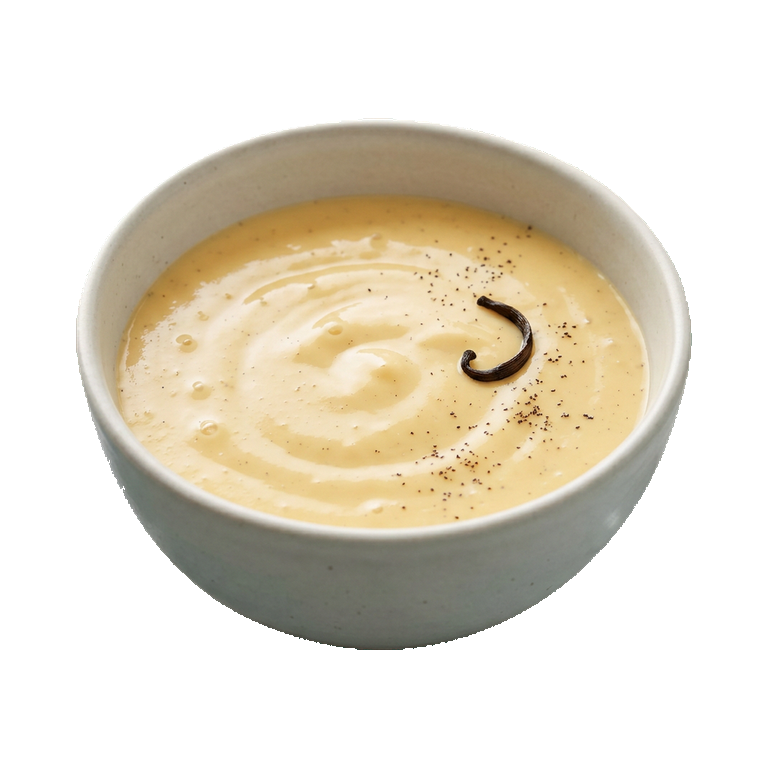
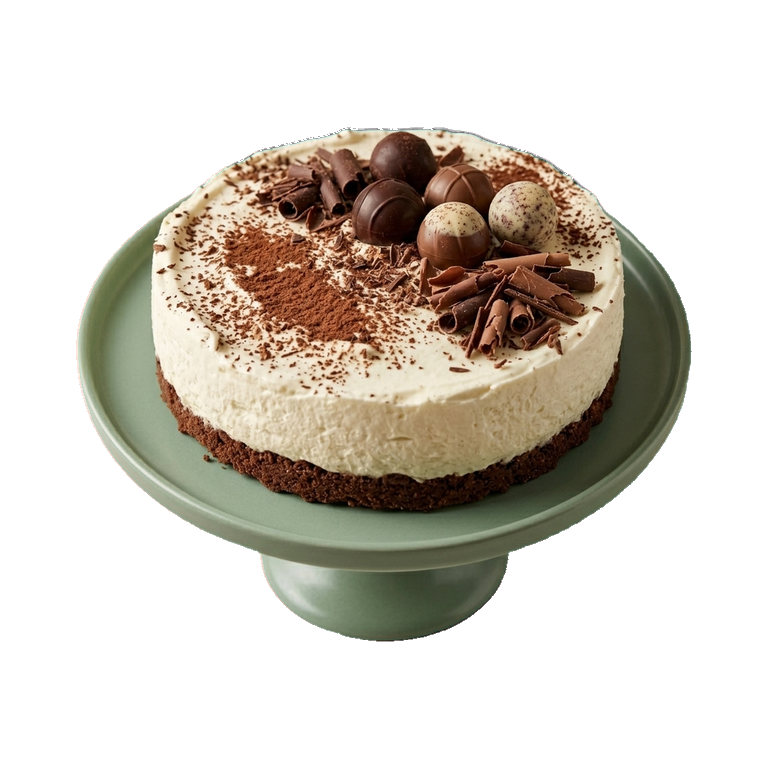
- With vanilla, cocoa and sugar — in desserts, mousses and creams
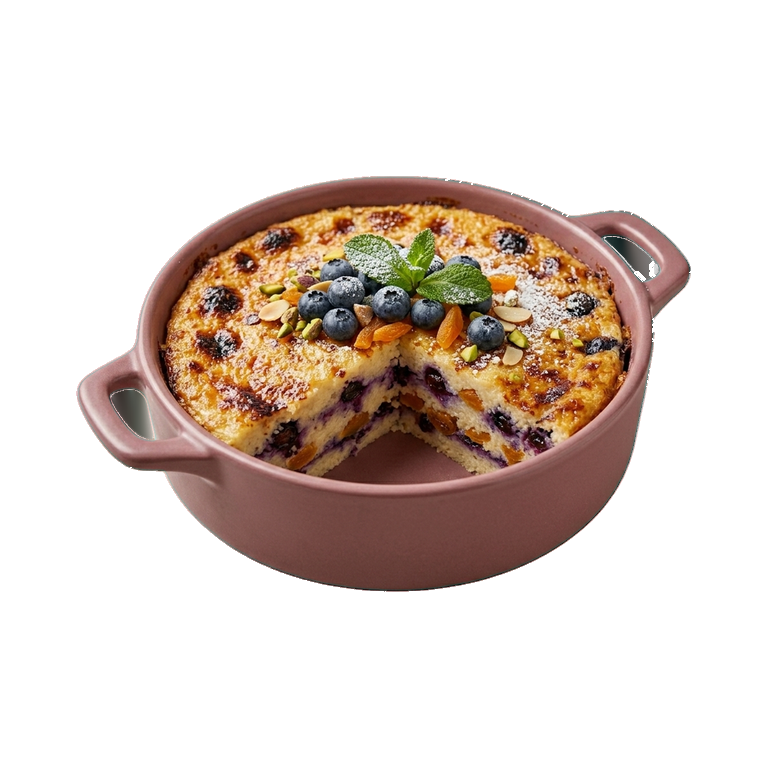
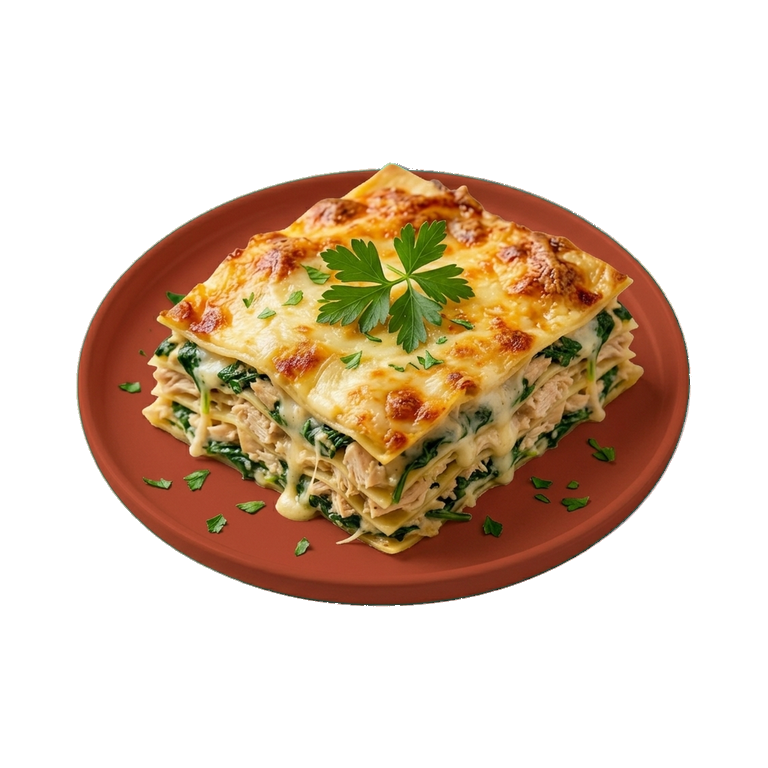
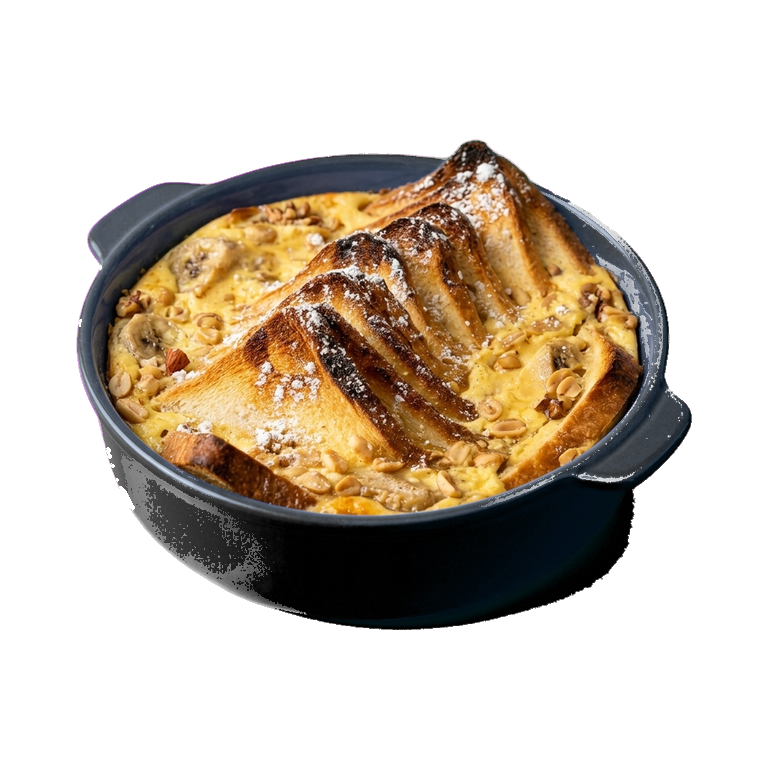
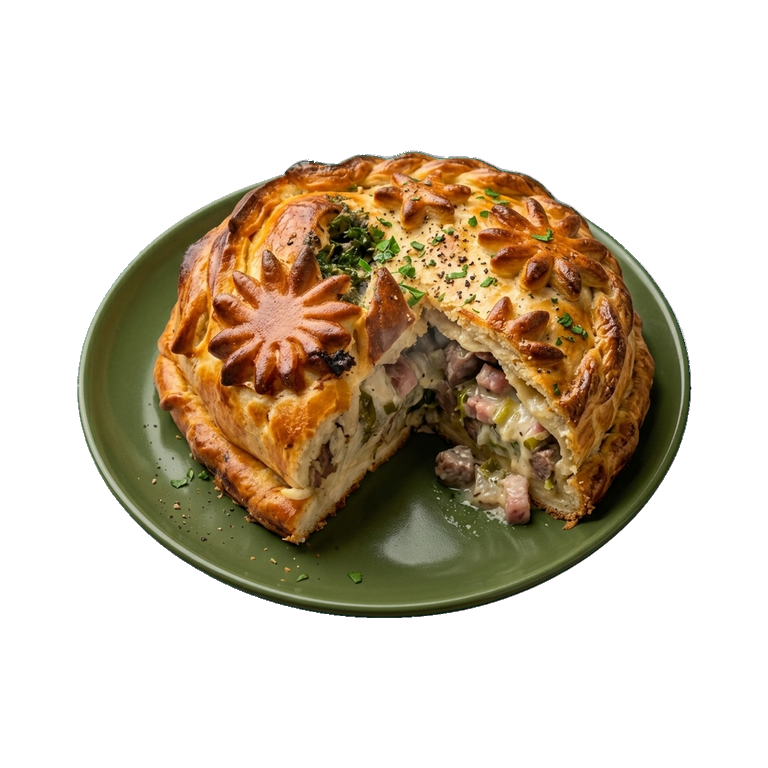
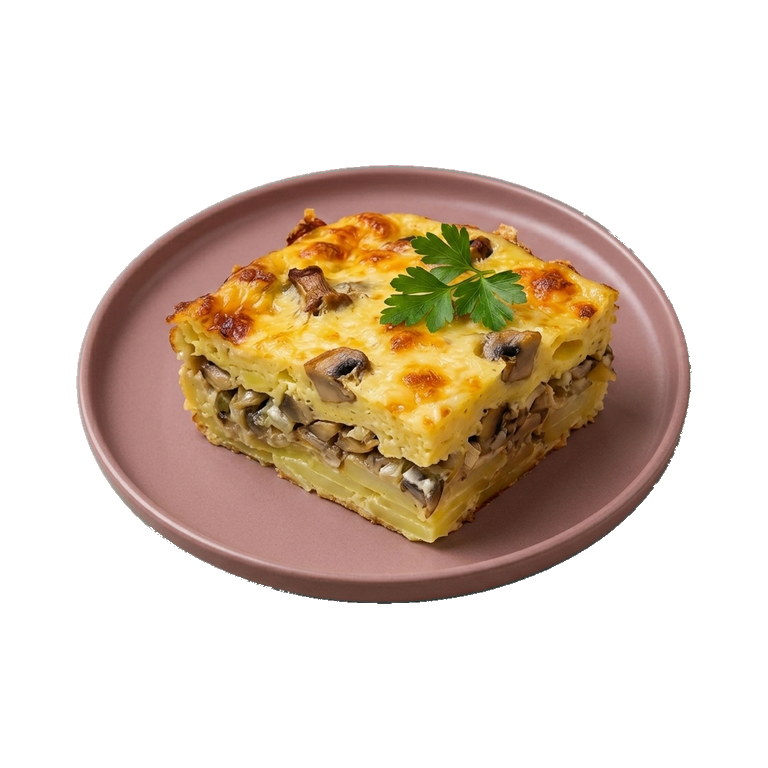
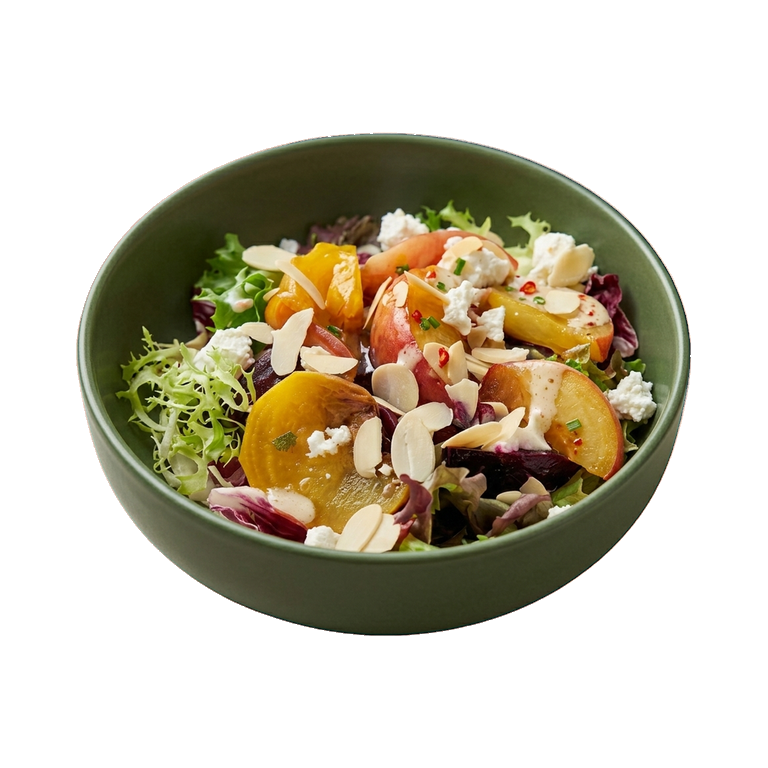
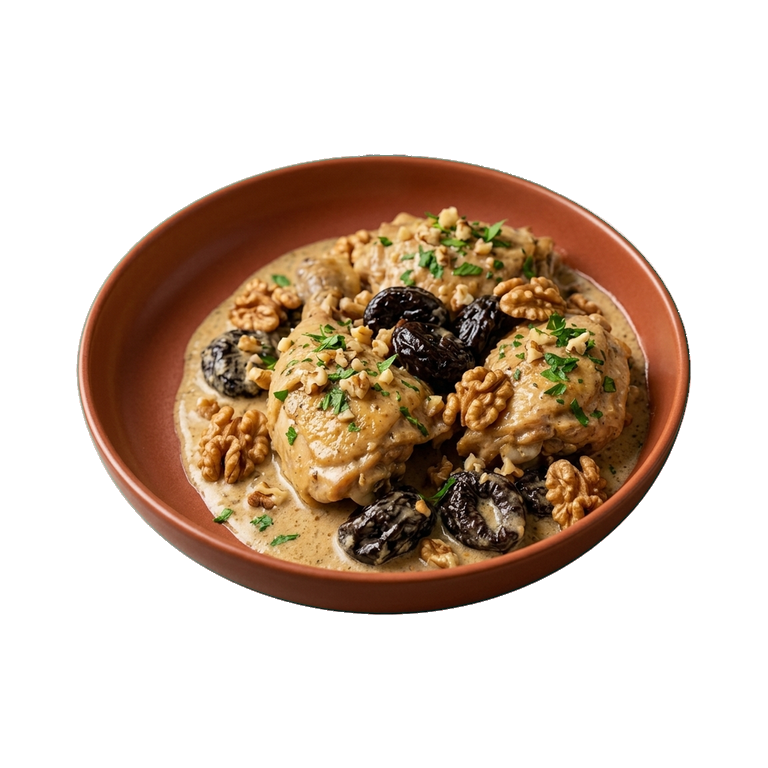
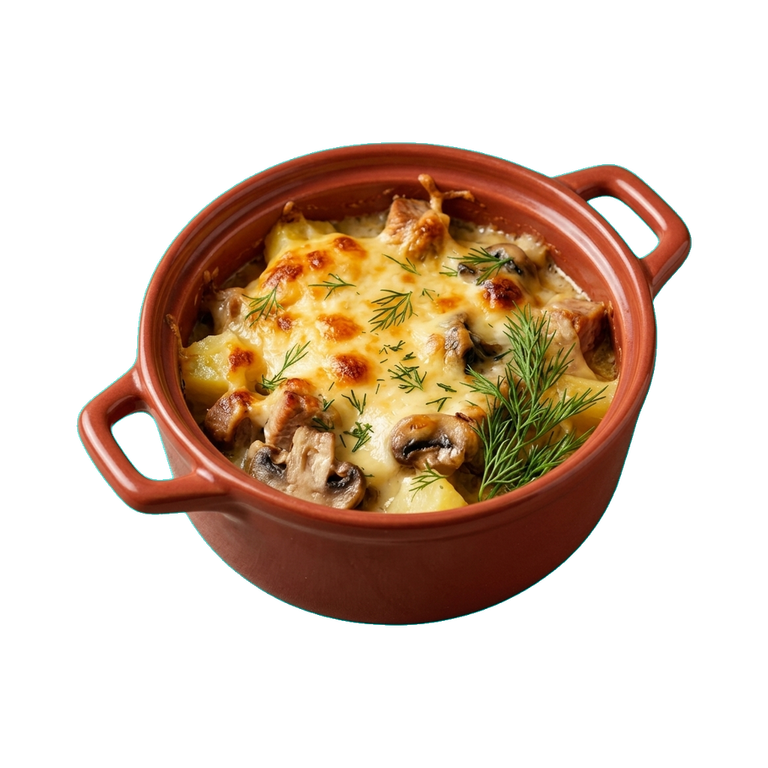
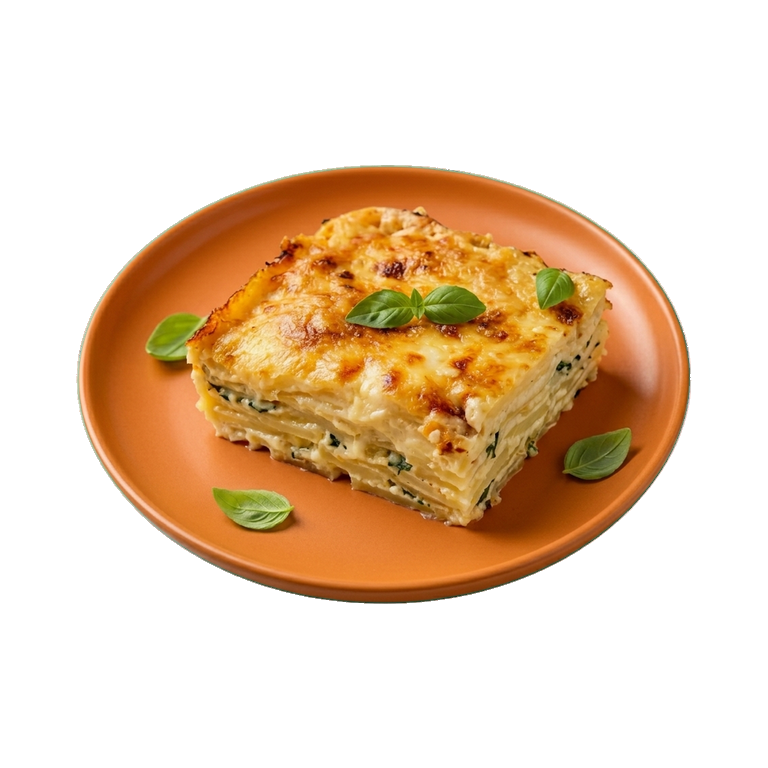
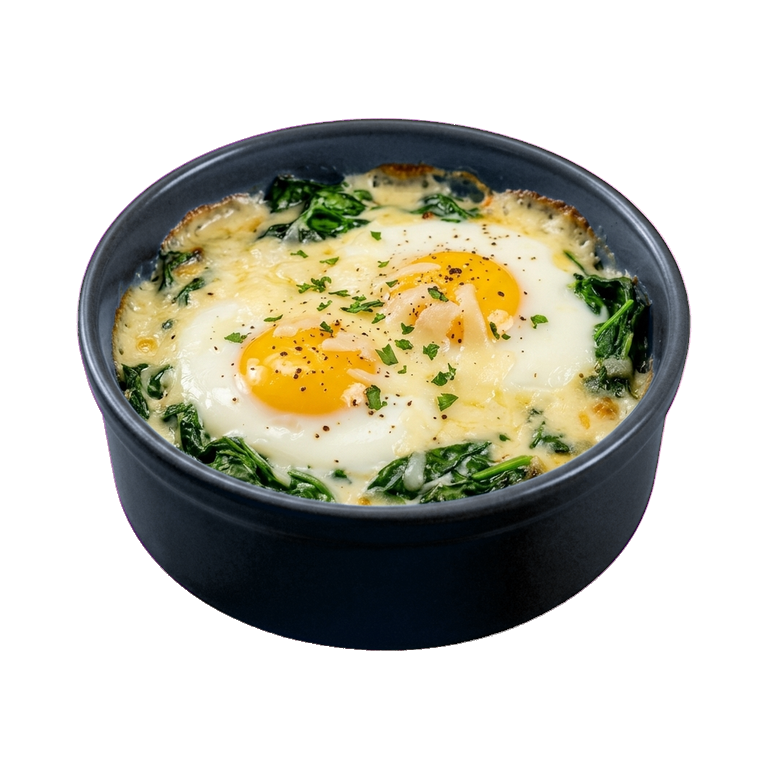
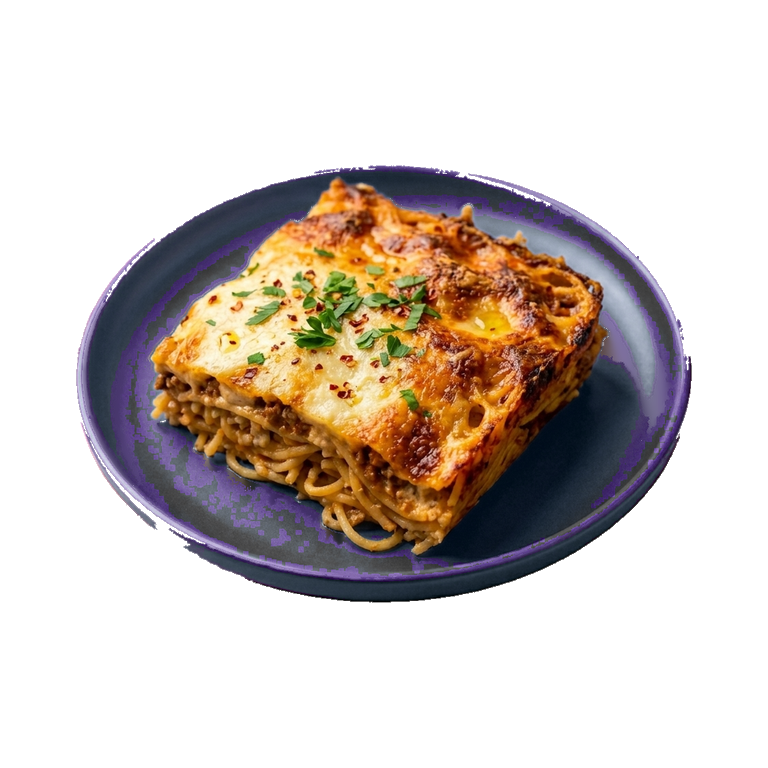
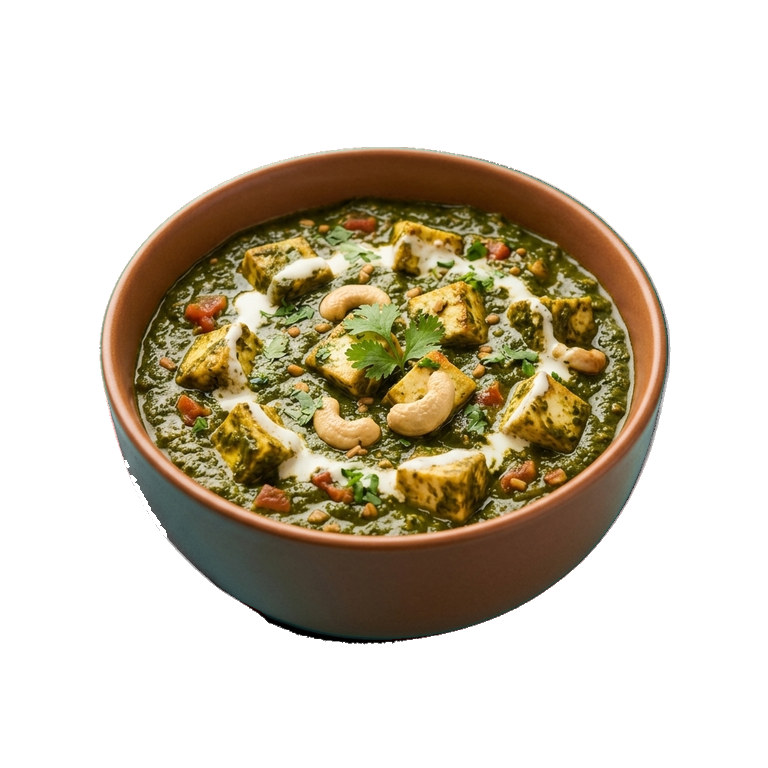
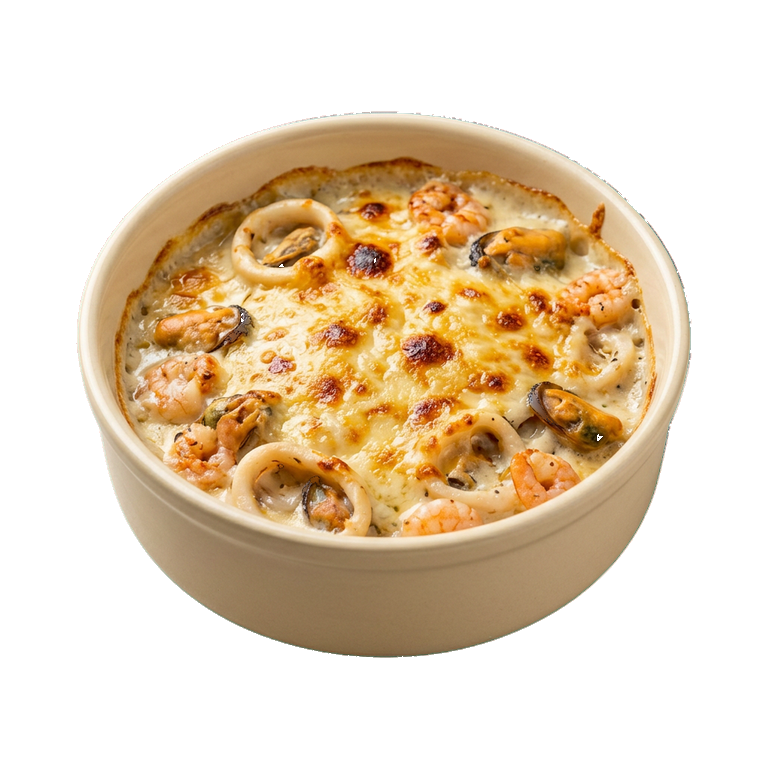
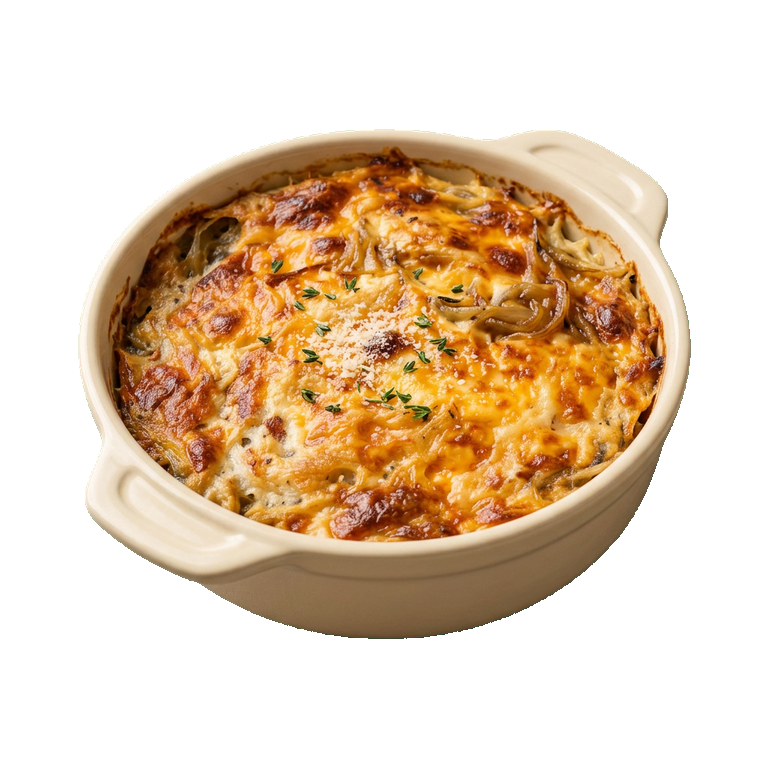
- With cheese — for flavor enhancement in casseroles and side dishes
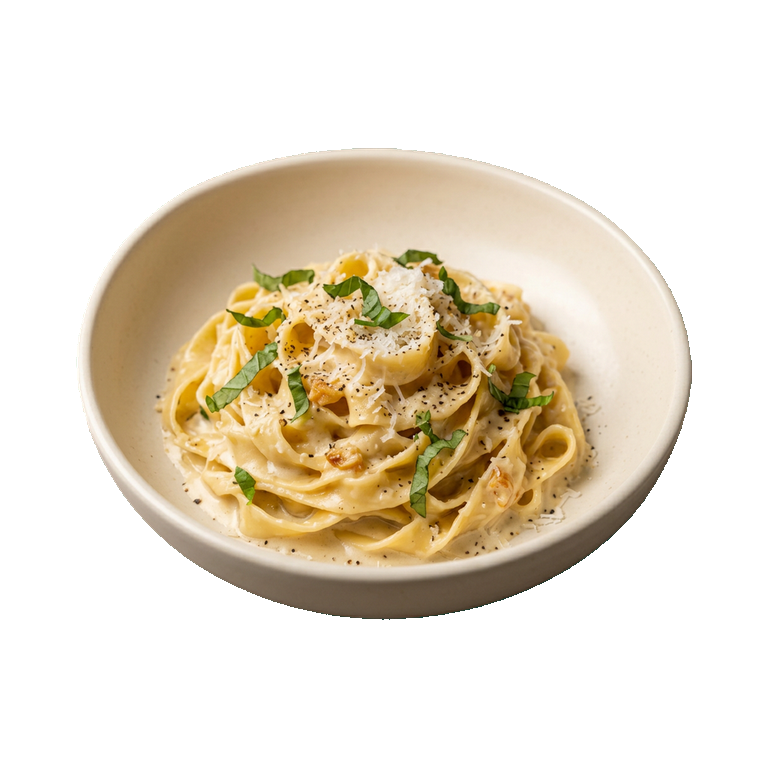
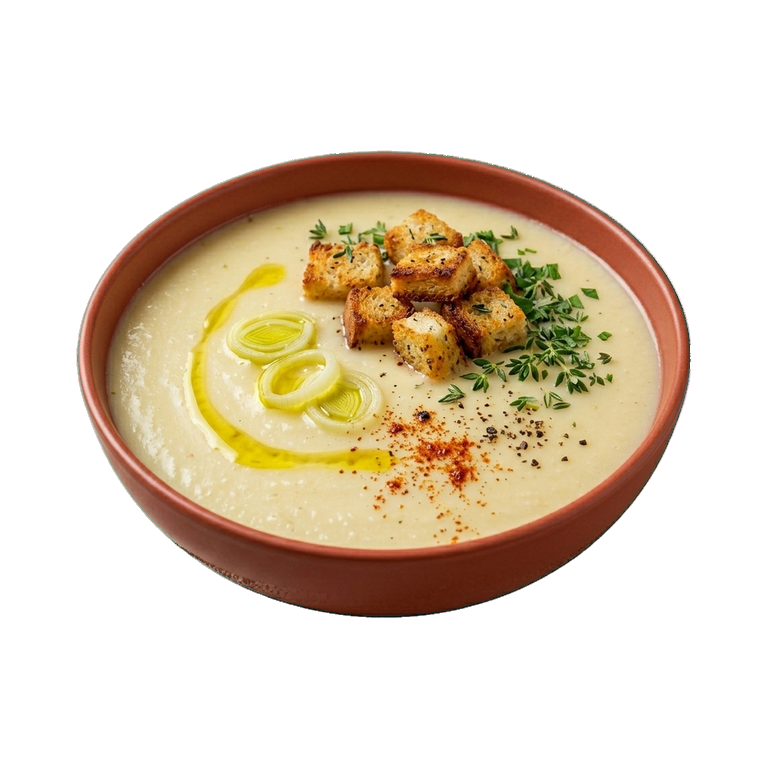
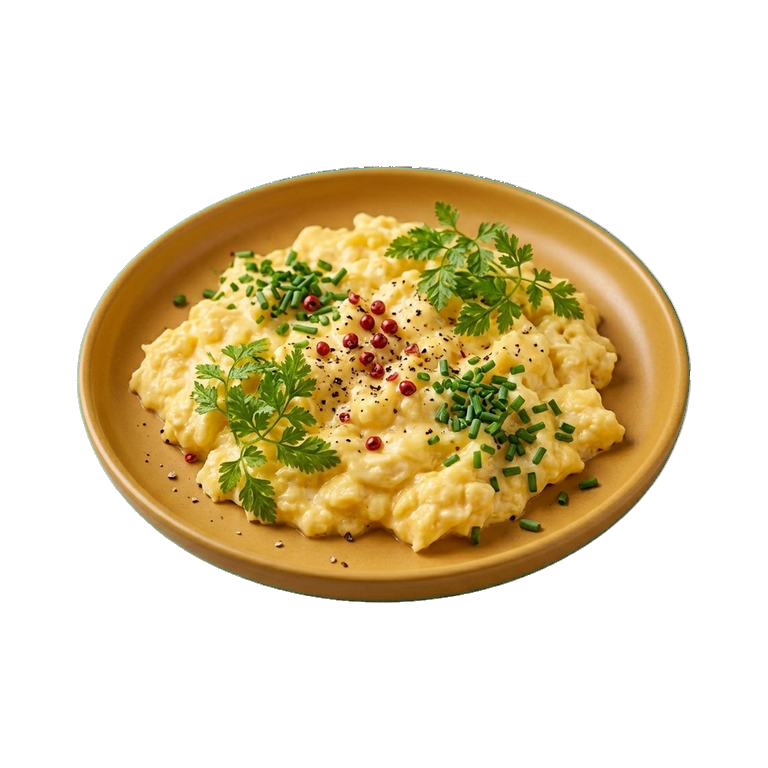
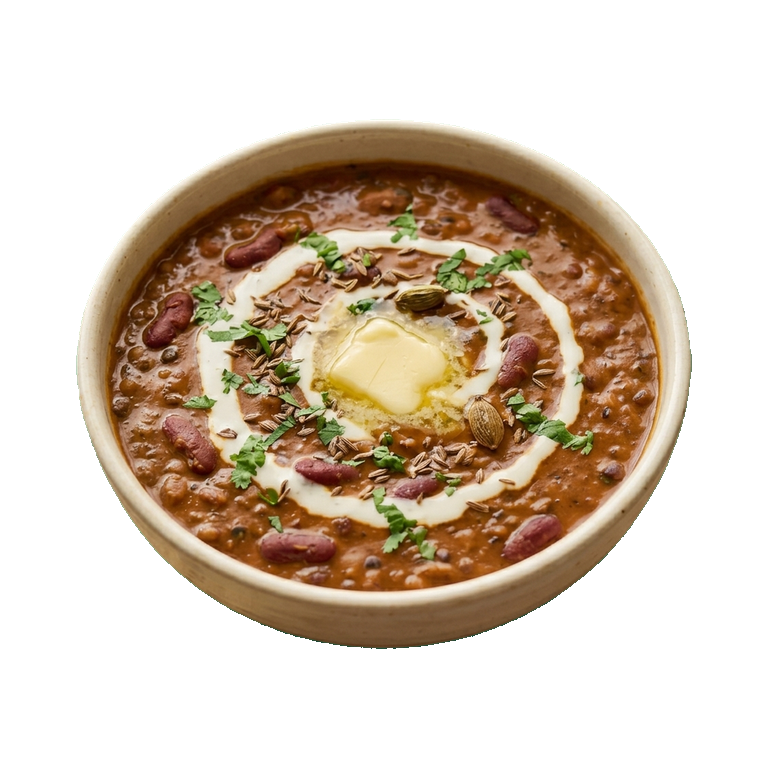
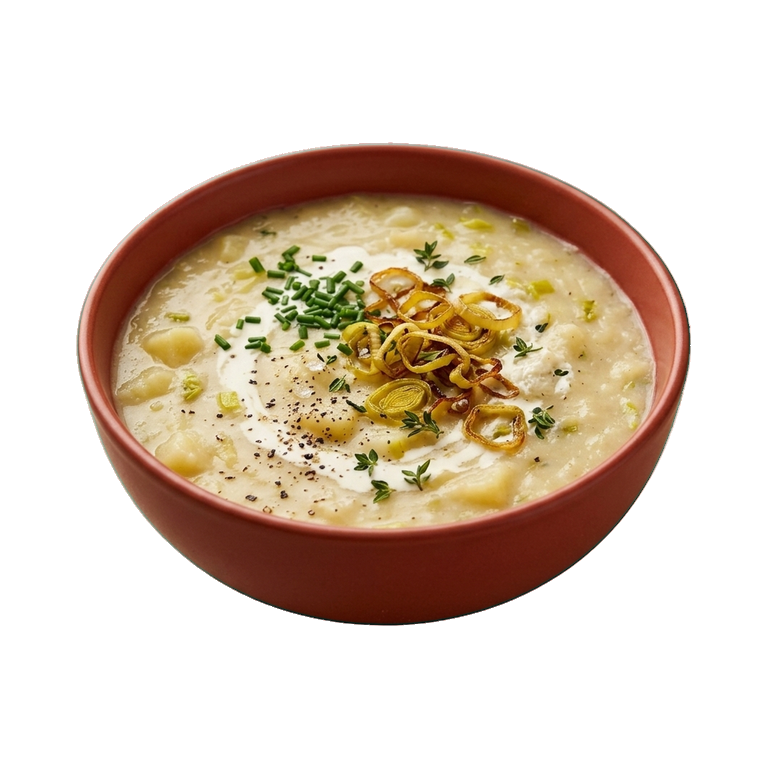
- With black pepper and salt — in soups and side dishes as a final touch
Selection and Storage
When choosing cream, pay attention to the production date and expiration date. Fresh cream has a white or slightly creamy color, a uniform consistency without lumps or separation. The smell should be clean and milky, without sourness or strange impurities.
Check the fat percentage depending on what you plan to cook. For whipping, you need cream with at least 30% fat. For liquid sauces, lighter options will work. Pasteurized cream lasts longer than raw cream, but has a more neutral taste.
Store cream in the refrigerator at a temperature of 2–6 degrees on a shelf, not on the door where the temperature fluctuates. Use an opened package within 3–5 days. Cream can be frozen, but after thawing its structure changes — it becomes grainy and is not suitable for whipping. Frozen cream is better used in prepared dishes.
Cream is not just an ingredient, but a way to add depth, softness, and completeness to a dish. It works in the background, enhancing other flavors, or takes center stage in desserts and sauces. The right choice of fat content and method of use is what transforms cream from an ordinary dairy product into a magical tool in the kitchen.
Nutrition
per 100 ml
- Calories
- 100 kcal
- Protein
- 2.8 g
- Fat
- 10 g
- Carbs
- 3.8 g
Measures and weight
- 1 tbsp
- 15.2 g
- 1 tsp
- 5 g
- 1 cup
- 252.5 g
Measure calculator
- Weight
- 100 g
- Calories
- 99 kcal